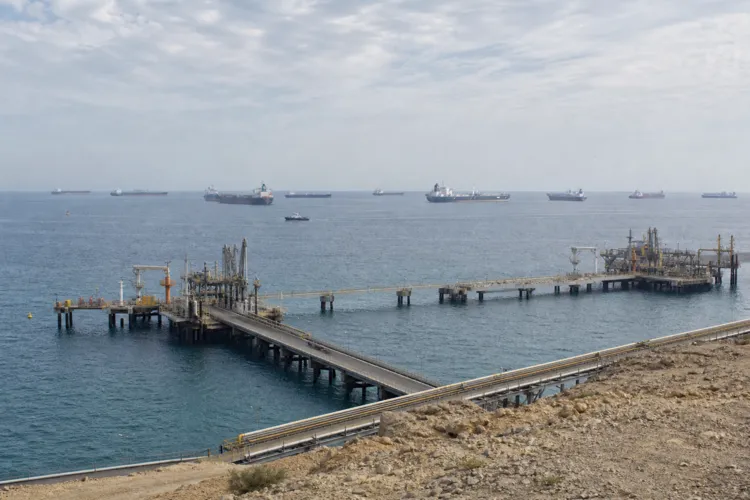
During the Iran war, the Strait of Hormuz was heavily disrupted, forcing Gulf producers to rethink how crude reaches global markets. Before the war, the strait supplied more than a fifth of oil globally, described as about 20 million barrels per day (bpd). Reuters industry estimates cited by Al Jazeera later put the flow at about 6–9 million bpd, underscoring the scale of the disruption. In this environment, Saudi Arabia relied on its East–West Pipeline, also known as the Petroline, to route crude away from threatened waters and toward the Red Sea export terminal at Yanbu.
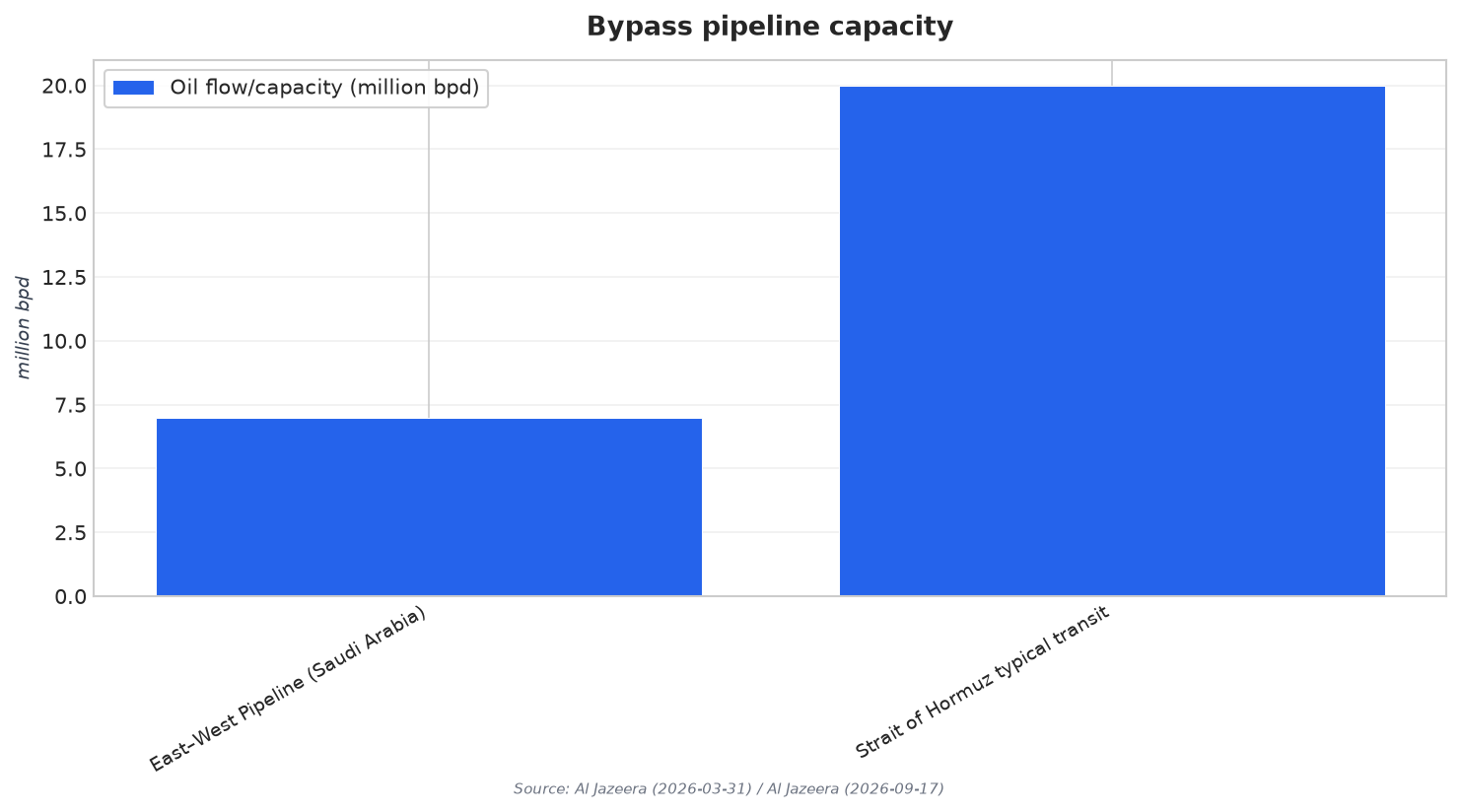
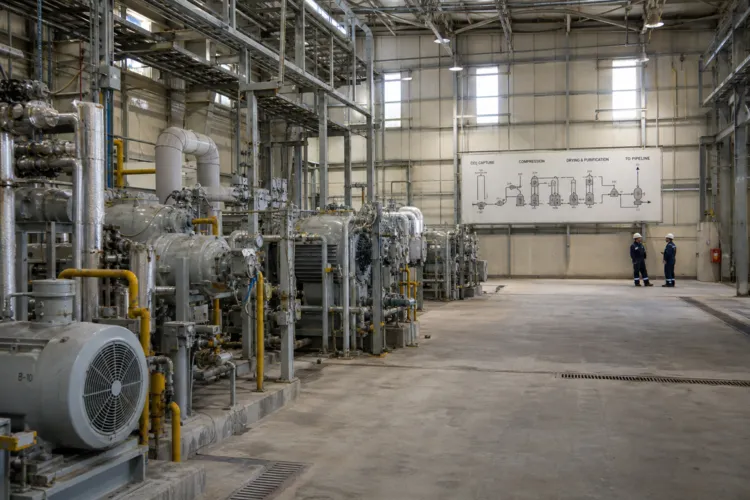
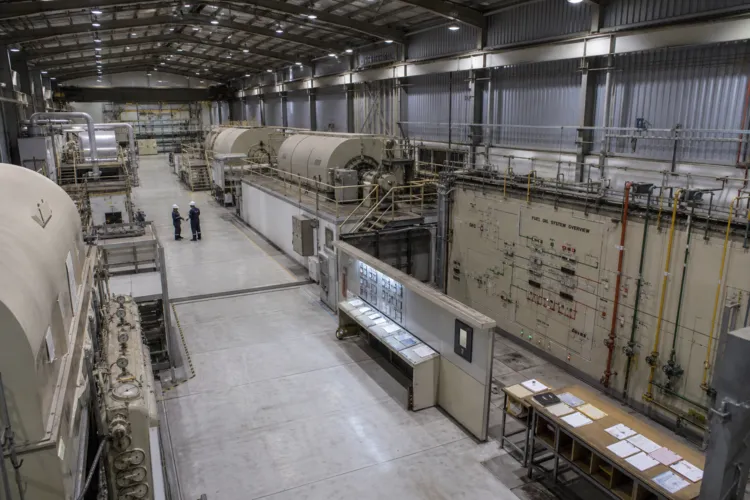
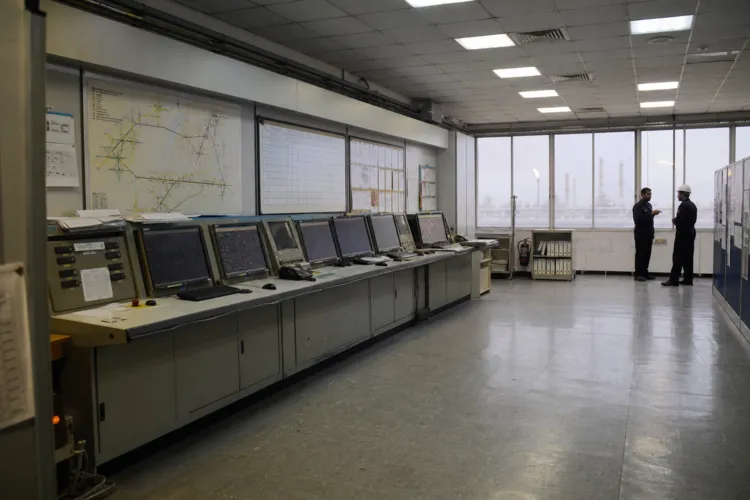
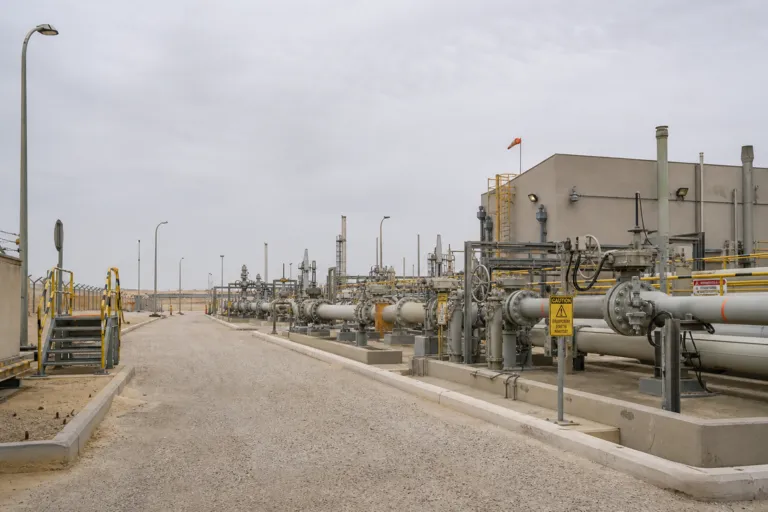
The east west pipeline Saudi Arabia operates stretches roughly 1,200 km (also cited as 1,201 km/746 miles) from Abqaiq in the Eastern Province to Yanbu on the Red Sea coast. Wikipedia describes it as being built during the 1980s, amid fears the Iran–Iraq War would cut off shipping through Hormuz. In 2026, Wikipedia reports a second line was converted from natural gas liquids to crude oil, increasing the system’s stated capacity to 7 million bpd. Al Jazeera and Firstpost both describe this 7 million bpd capacity as central to keeping exports flowing when Hormuz was largely closed.
How Yanbu Became the Pressure Valve for Exports
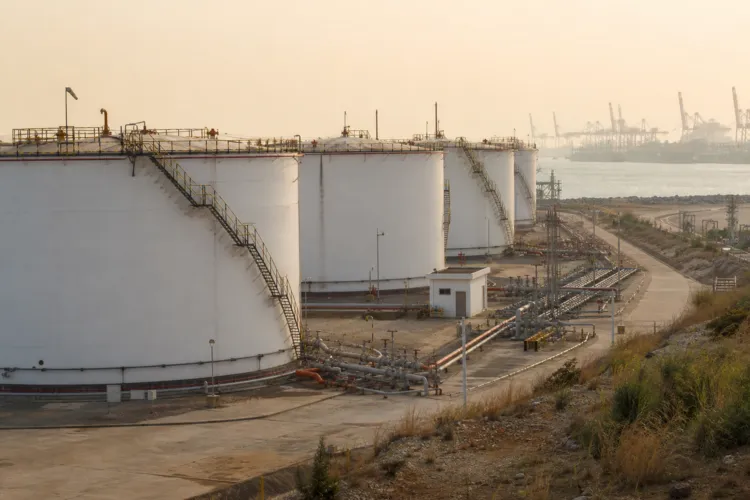
As Saudi Arabia pushed more crude west, Yanbu’s role expanded sharply. Al Jazeera reports that in the first five months of the conflict, Saudi Arabia increased crude sent west to roughly 4–5 million bpd, equal to about 4% to 5% of global supply. Firstpost adds that ship tracking suggested roughly 30 very large crude carriers (VLCCs) were rerouted from Gulf loading points to the Red Sea, turning Yanbu into a major export hub during the crisis. Wikipedia details Yanbu’s infrastructure, noting two oil-loading terminals with a nominal combined loading capacity of about 4.5 million bpd and a tested capacity of about 4 million bpd, while Vortexa estimated wartime loading capacity could fall to about 3 million bpd.
Even with the reroute, the strategy had limits and trade-offs. Firstpost says Saudi Arabia typically exports around 7 million bpd under normal market conditions, and by using Petroline at full capacity it was managing to sustain roughly 70% of usual export volume despite the Strait of Hormuz closure. Al Jazeera also stresses that pipeline flows and exports depend on storage and tankers moving safely, vulnerabilities that grew as the conflict expanded to include attacks around the Red Sea and Bab al-Mandeb. Wikipedia notes that after conversion to full capacity on 11 March 2026, the amount of oil transferred using the Bab-el-Mandeb strait rose by 21% compared with February 2026, with all of it bound to Asia.
Drone attacks repeatedly tested the rerouting system. Wikipedia reports that on 9 April, throughput was reduced by 700,000 barrels per day by an Iranian drone attack on a pumping station, and it was said to be restored to full capacity three days later. CNBC later reported that Saudi Arabia closed the East–West Pipeline in September after it sustained damage in a drone attack launched from Iraq, yet exports still surged: Kpler data cited by CNBC showed Riyadh exporting 6 million bpd in September, nearly 80% above the 3.4 million bpd exported in August. CNBC also reported Brent crude jumped to nearly $110 per barrel after the shutdown, but later pulled back as the outage proved less disruptive than feared, with exports also redirecting back through Hormuz as the U.S. military carved out a shipping lane along Oman’s coast.
What is Saudi Arabia’s East–West Pipeline used for during the Iran war?
How much crude can the East–West Pipeline carry?
How much oil flowed through the Strait of Hormuz before the war versus during the conflict?
How did September exports look even after the pipeline was shut due to a drone attack?
Why did Yanbu matter so much for the reroute?
Talk to us for your needs in:
-
Energy Efficiency Strategy & Feasibility
-
Renewable Energy Strategy & Investment Advisory
-
Digital Energy & Smart Grid Strategy
-
Market Entry Strategy
-
Sustainability & Impact Strategy
-
Energy Project Governance & PMO Advisory
-
Energy Market Research
-
Energy Stakeholder & Customer Research
-
Energy Market Intelligence
-
Energy Feasibility & Investment Assessment
-
Energy Sector Benchmarking & Performance Strategy