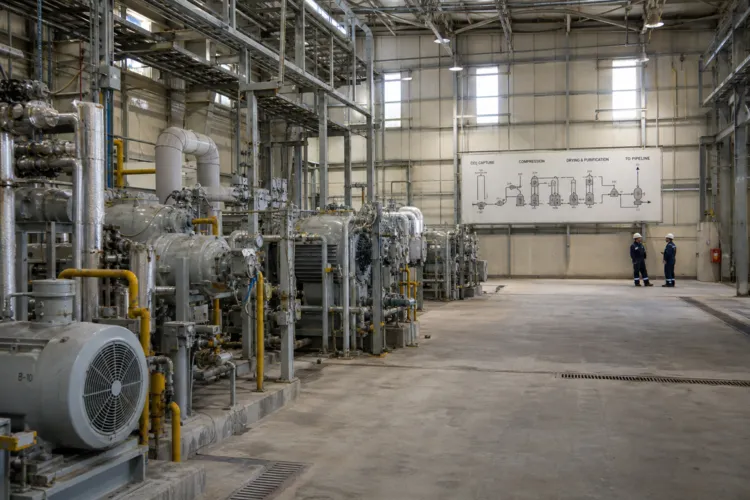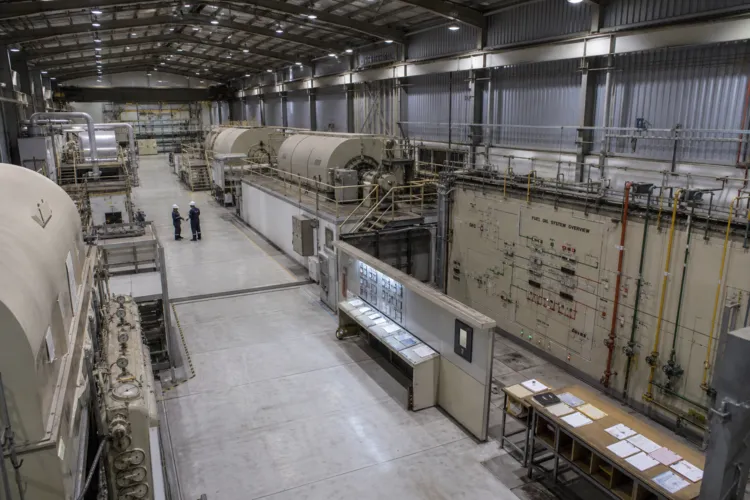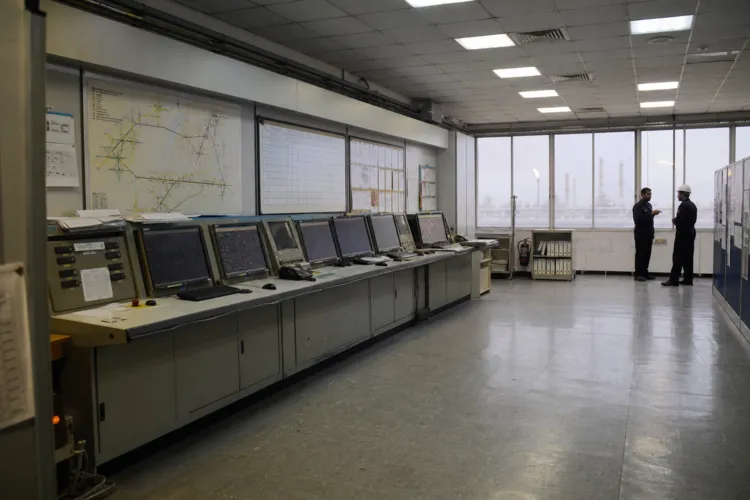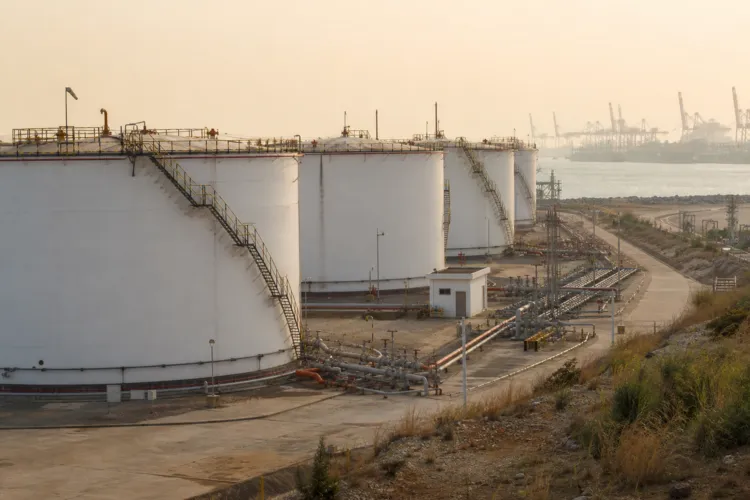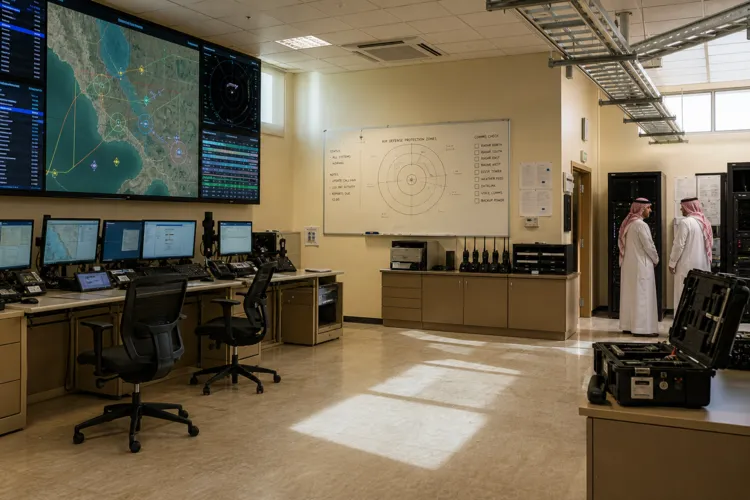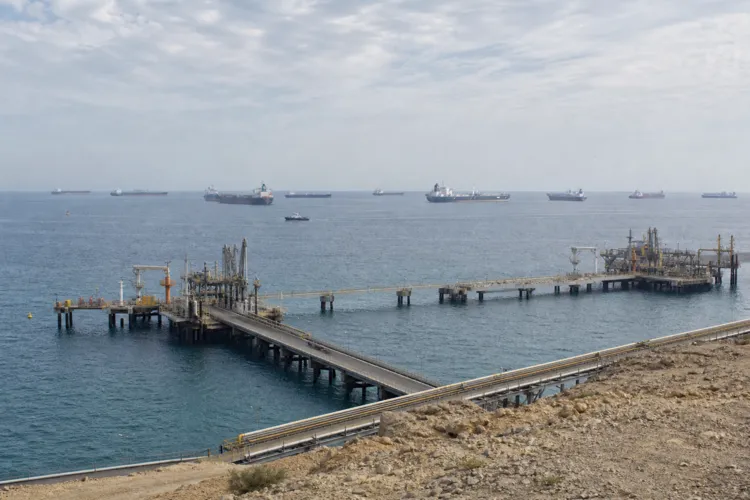
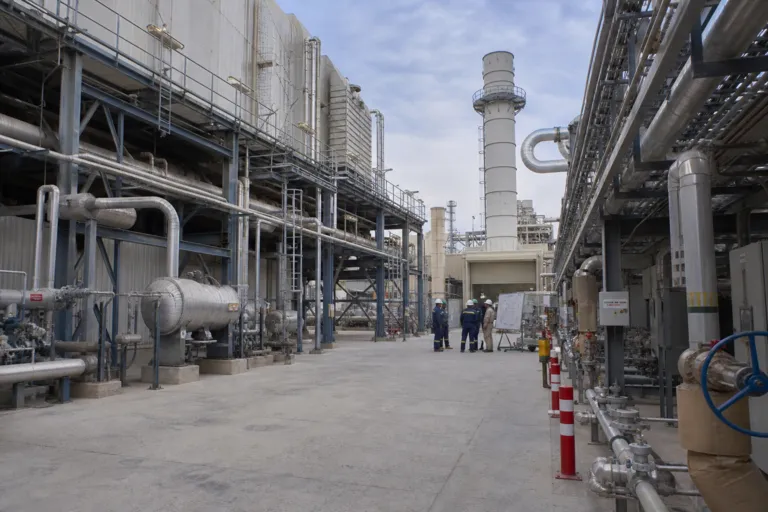
The Rabigh 2 IPP expansion is being advanced through a power purchase agreement (PPA) between ACWA Power and the Saudi Power Procurement Company (SPPC) for the Makkah Region. Multiple reports describe the contract value as SR11.5bn ($3bn), and they tie it to a planned gas-fired combined cycle power plant with a total capacity of 2.31GW (also reported as 2,313.5MW). The PPA structure covers development, financing, construction, ownership, and operation, and it also includes work on a 380-kilovolt electrical substation intended to support the national grid. Company statements connected to the signing emphasize enhancing generation capacity and strengthening supply reliability while supporting Saudi Arabia’s broader energy transition objectives and alignment with Saudi Vision 2030.
What makes this expansion stand out is the explicit CCS-ready framing in the agreement. The reporting says the PPA makes provision for future carbon capture technology, and that the project includes readiness for future carbon capture unit integration. That approach lets a conventional gas project be built for immediate grid needs while keeping a defined pathway open for later upgrades, rather than treating decarbonization as a separate project. The expansion is also presented as part of a broader pattern in Saudi Arabia’s independent power sector, where another project referenced in the same coverage—the Qurayyah expansion—also focuses on combined-cycle gas turbine technology and carbon capture readiness.
How Rabigh 2’s Existing Plant Design Explains the Expansion Strategy
Background details on the Rabigh 2 independent power project show why combined-cycle technology is central to the expansion narrative. Wikipedia describes Rabigh 2 IPP (R2IPP) as a combined cycle power station project under construction on Saudi Arabia’s western coast, about 150 km north of Jeddah, with an installed electrical generating capacity of 2,060MW intended to supply Makkah Province. The same source says it uses natural gas as the main fuel and Arabian Super Light (ASL) as backup fuel. It also describes a combined-cycle configuration of blocks composed of gas turbines, heat recovery steam generators, and a triple pressure steam turbine, presented as a way to reduce fuel consumption, impacts on sea water temperatures, and carbon emissions. The plant is described as the first independent power producer with a gross thermal efficiency of 58.8% at reference site conditions.
For procurement and delivery, the expansion is being framed as a large, long-duration obligation rather than a short-term build-and-exit. Coverage of the PPA sets the commercial operation period for the expanded plant at 31 years from the start of its activities, and describes a long-term framework for delivering electricity under the agreement. That long timeline helps explain why “future-proofing” features like carbon capture readiness are being written into today’s contracts. Industry commentary also ties the April 2026 PPA for the 2,313.5MW project to continued combined-cycle gas turbine (CCGT) expansion alongside renewable development, specifically pointing to EPC demand for gas plant islands, grid interties, and commissioning services.
The deal also sits inside a wider contracting cadence that Saudi Arabia’s market research coverage quantifies. One market source says SPPC contracted 24.4GW of new power capacity in 2025 through 15 PPAs. The same source notes that regulated utilities controlled 56.8% of 2025 spending, while independent power producers are forecast to expand 5.7% annually to 2031. In that context, the Rabigh 2 IPP expansion PPA shows how Saudi Arabia can add large thermal capacity through the IPP model while also modernizing supporting infrastructure like substations and grid connections. The combination of CCGT, a 31-year operating framework, and CCS readiness reflects a planning preference for capacity additions that can be operated now and adapted later.
What capacity is planned for the Rabigh 2 IPP expansion project?
How much is the Rabigh 2 expansion PPA worth?
Why is Saudi Arabia making the Rabigh 2 expansion CCS-ready?
How long is the operating period set for the expanded Rabigh 2 plant?
What grid infrastructure is included alongside the expanded power plant?
Talk to us for your needs in:
-
Energy Efficiency Strategy & Feasibility
-
Renewable Energy Strategy & Investment Advisory
-
Digital Energy & Smart Grid Strategy
-
Market Entry Strategy
-
Sustainability & Impact Strategy
-
Energy Project Governance & PMO Advisory
-
Energy Market Research
-
Energy Stakeholder & Customer Research
-
Energy Market Intelligence
-
Energy Feasibility & Investment Assessment
-
Energy Sector Benchmarking & Performance Strategy