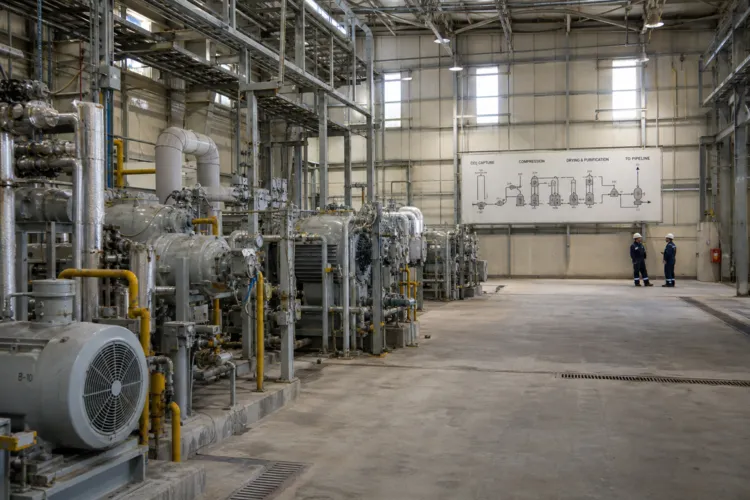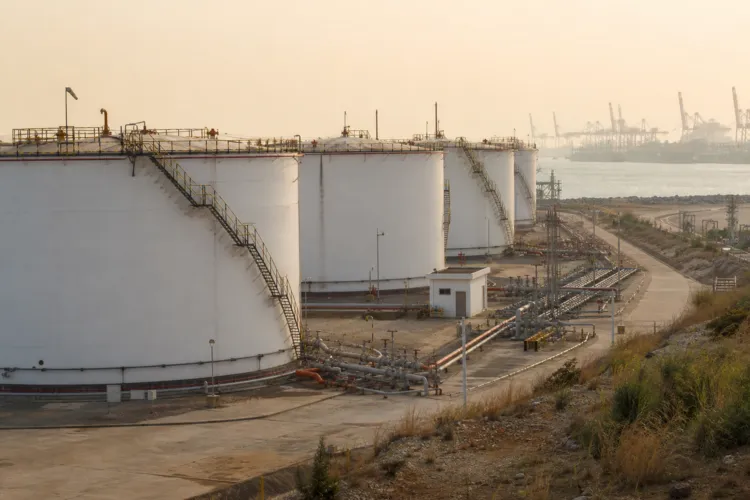
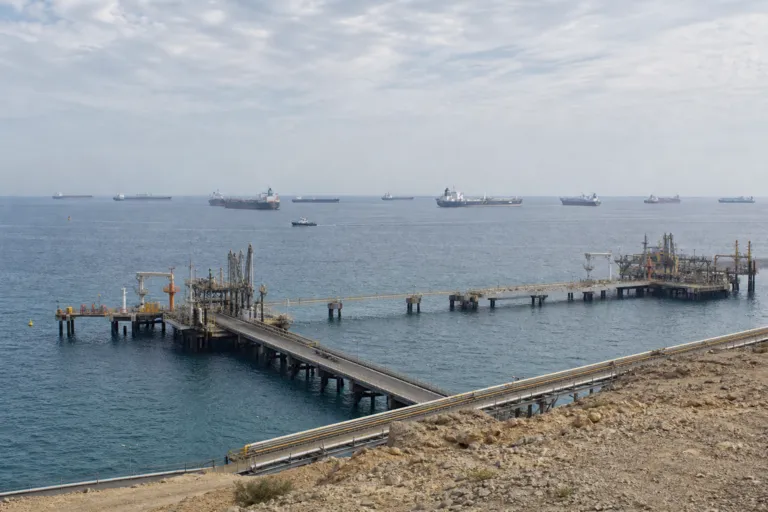
Saudi Arabia’s Red Sea export system at Yanbu has become a pressure-release valve as Gulf routing faced disruption. Shipping data cited by Reuters said crude exports from the Yanbu port rose to nearly 4 million barrels per day last week, a sharp jump from levels seen before the Iran war broke out. Kpler also put Yanbu’s March average around 2.9 million bpd so far in that month, broadly in line with LSEG figures cited by Reuters, showing how quickly the flow profile can change week to week. In parallel, Reuters reported that total Saudi crude exports exceeded 7 million bpd in February, with most of those volumes passing through the Strait of Hormuz at that time.
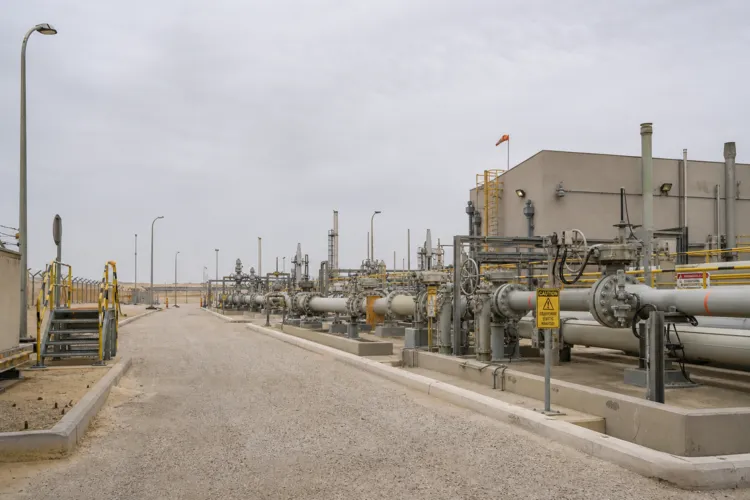
The physical workaround centers on the East–West pipeline feeding the Red Sea coast. Reuters reported that Saudi Aramco said it can pump up to 7 million bpd to Yanbu through the pipeline, with around 5 million bpd potentially available for export and the remainder supplying local refineries. Market watchers framed that as the upper edge of what can be attempted quickly, but not necessarily what can be sustained. A Kpler analyst told Reuters exports could reach around 5 million bpd by the end of the month, which would be close to Yanbu’s maximum loading capacity. That framing matters because it highlights the difference between nameplate pipeline throughput and what terminals can actually load onto ships at speed.
Terminal Limits, Congestion, and a New Tender Trail
Independent datasets disagree on the true ceiling, but all point to constraints. IndexBox, citing a Reuters report and Vortexa data, said Yanbu’s terminals can load a maximum of three million barrels daily even though the pipeline’s nameplate capacity is larger. Kpler, in an August explainer, said Saudi Arabia’s Red Sea terminals in Yanbu can sustainably load roughly 4.5–4.7 mbd of crude, including domestic deliveries, and argued the harder question is whether all parts of the system can run at full scale at once. Another market snapshot from Discovery Alert described recent weeks with 3.5 to 4.3 million barrels per day flowing through the Red Sea gateway, underscoring how close operations can run to the top end during stressed periods.
Operational pressure is showing up in ship traffic and delays. Reuters cited Braemar analysis showing 33 VLCCs have lifted oil from Yanbu since February 28, an unusually intense cadence. Discovery Alert also reported Yanbu port crude shipments hit 4.7M bpd in 2026, and said industry sources reported more than 30 tankers queuing at peak periods, with average delays of approximately five days before vessels can commence loading. Reuters added that average tanker earnings for voyages from the Red Sea to Asia surged to nearly $270,000 a day, the highest in nearly six years, as Middle Eastern crude tanker markets turned “chaotic” with many Saudi cargoes rerouted via Yanbu, according to ship broker BRS.
The supply shift is also visible in commercial execution. IndexBox reported Saudi Arabia opened a tender for two million barrels of Arab Light crude for loading from Yanbu, calling it the fourth such tender as the country redirected supply from the Persian Gulf toward the Red Sea. The same report cited Windward data showing Yanbu’s oil exports at approximately 2.47 million barrels per day at that point, and noted 27 vessels heading toward Yanbu. Taken together, the numbers show a system that can ramp sharply, but one where the practical ceiling is set by berth availability, loading tempo, and the knock-on effects of congestion rather than pipeline capacity alone.
Why did Saudi Arabia ramp up Red Sea crude exports from Yanbu?
How high did Yanbu crude exports climb during the surge?
What do sources say about sustainable loading capacity at Yanbu?
What is driving congestion at the Yanbu crude export terminal system?
What commercial signals show Saudi Arabia’s shift toward Yanbu loadings?
Talk to us for your needs in:
-
Energy Efficiency Strategy & Feasibility
-
Renewable Energy Strategy & Investment Advisory
-
Digital Energy & Smart Grid Strategy
-
Market Entry Strategy
-
Sustainability & Impact Strategy
-
Energy Project Governance & PMO Advisory
-
Energy Market Research
-
Energy Stakeholder & Customer Research
-
Energy Market Intelligence
-
Energy Feasibility & Investment Assessment
-
Energy Sector Benchmarking & Performance Strategy