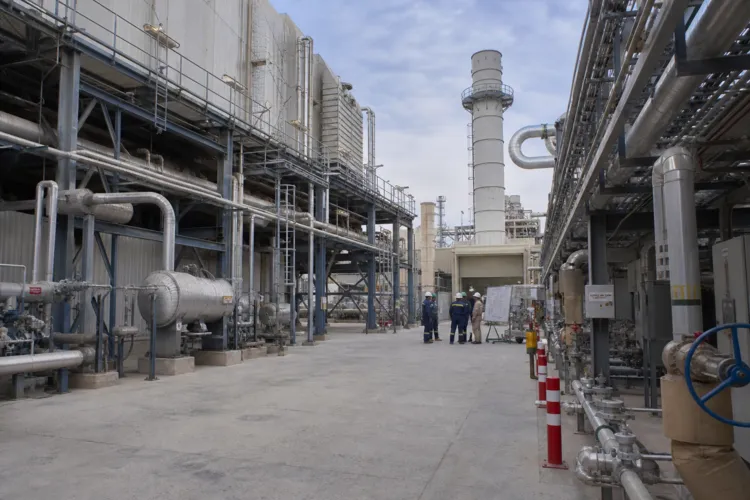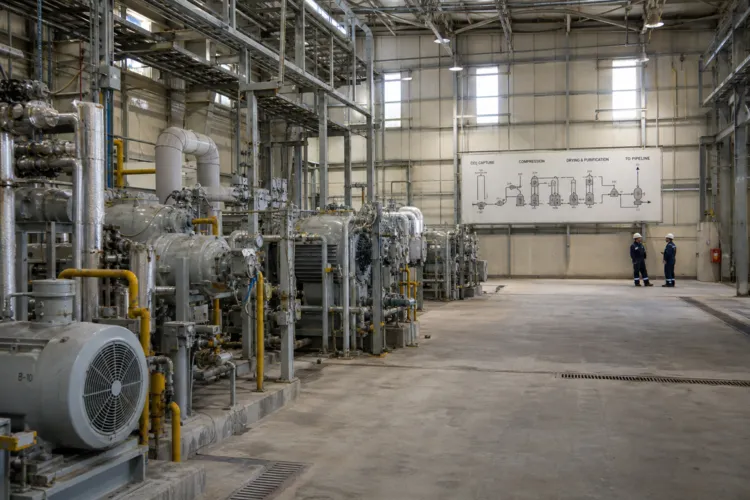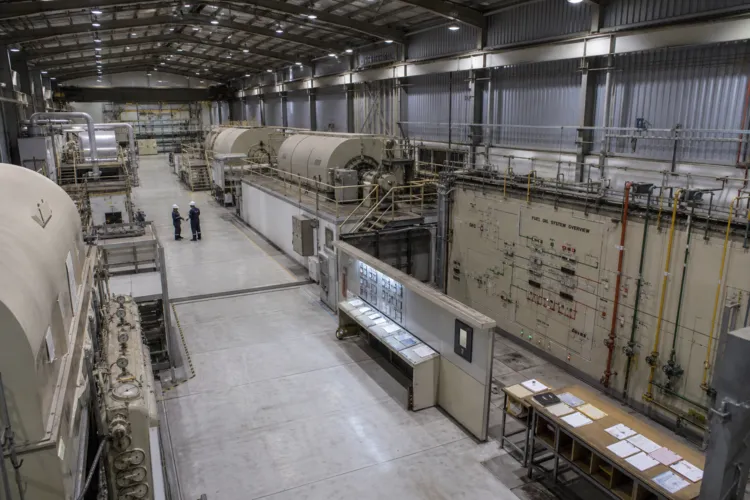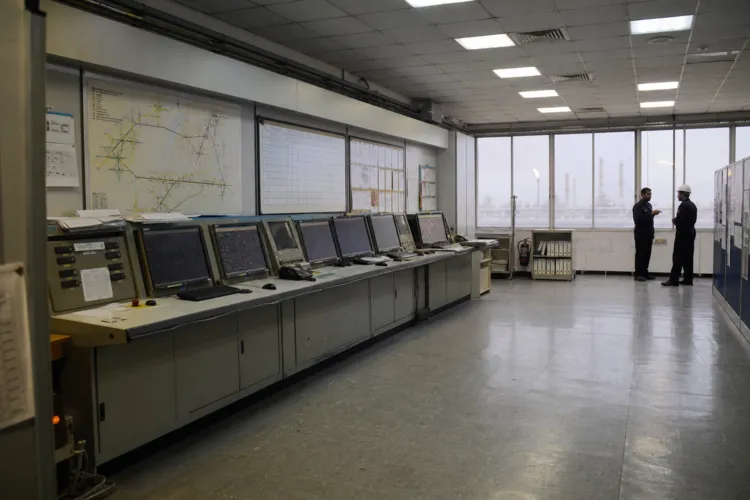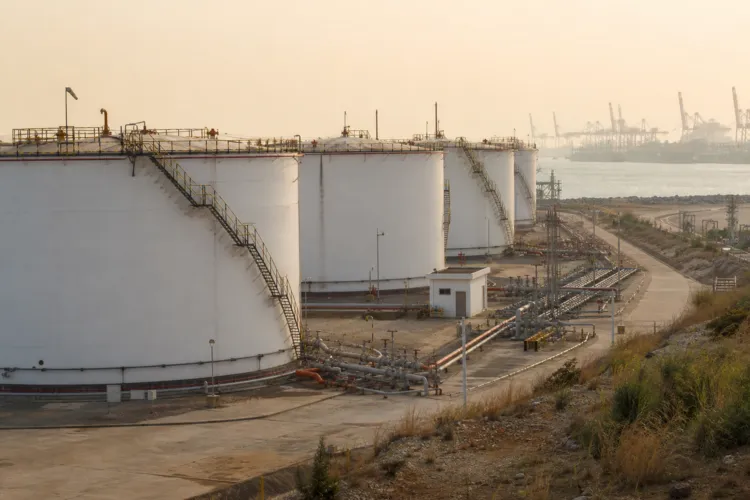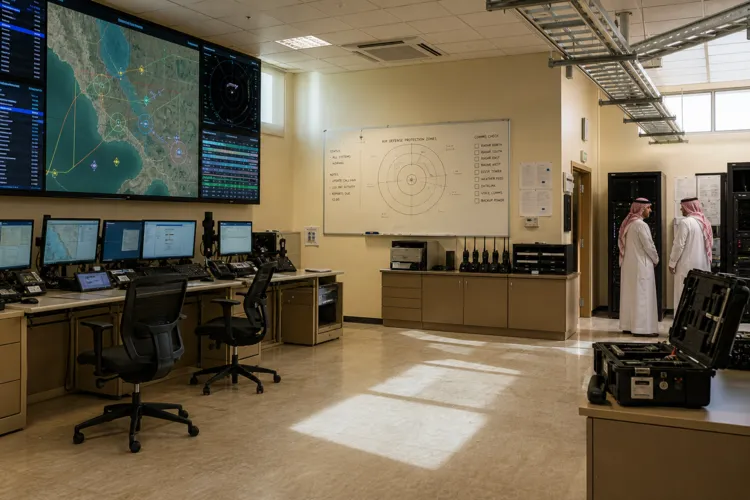
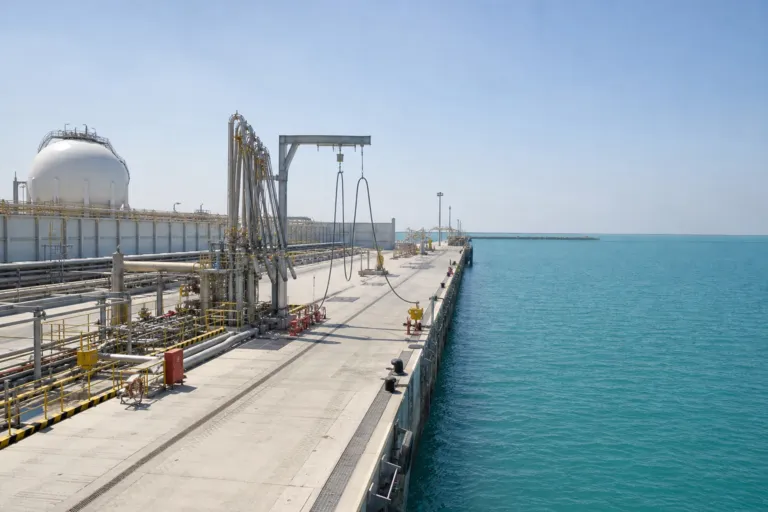
Saudi Arabia’s NEOM Green Hydrogen Project at Oxagon has moved into commissioning following the completion of construction in August 2026, according to ACWA Power and reporting that cites company officials. The facility is described as the largest green hydrogen project to reach this stage globally, and it is built around exporting green ammonia rather than shipping hydrogen directly. Commercial production is planned for 2027, with first green ammonia availability also expected in 2027. A separate analysis also points to the facility coming online in December 2026, with first export shipments expected in early 2027.
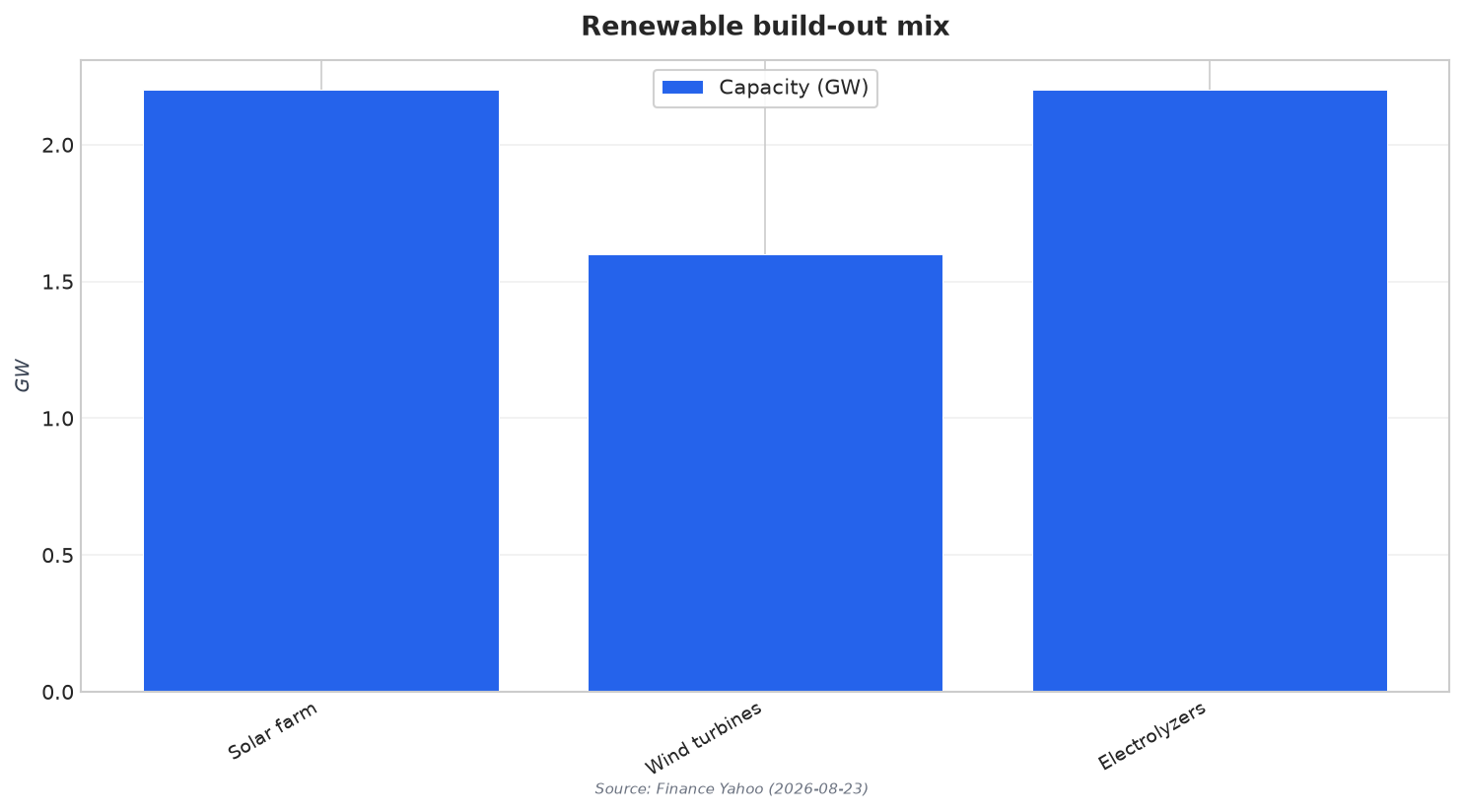
What the commissioning phase unlocks is export timing. Once operational, NEOM Green Hydrogen Company (NGHC) says the complex is expected to produce up to 600 tonnes per day of carbon-free hydrogen, converted into green ammonia for global export. Another report frames the export plan as about 1.32 million tons of green ammonia each year, using around 661 tons of carbon-free hydrogen produced daily at Oxagon on the Red Sea coast. The energy system behind that scale is described as roughly 4 GW of renewable capacity, including a 2.2-GW solar farm and 257 wind turbines adding another 1.6 GW, feeding 2.2 GW of electrolyzers.
The 2027 Export Start: Off-Take, Financing, and a Trade System That Already Exists
The export signal is strengthened by contracting, not just targets. Air Products holds a 30-year exclusive off-take agreement for the plant’s entire ammonia output, and one account says this helped unlock $6.1 billion in financing from 23 banks. Fertilizer Daily also reports that Yara International finalized a separate marketing and distribution agreement in August to handle up to 1.2 million metric tons per year of renewable ammonia from the plant. Together, these structures matter because many announced green hydrogen projects have struggled to become operational, and a video cited in coverage says ING estimated that about 50 hydrogen projects had been publicly canceled.
Cost pressure is also part of why a defined export route and buyer base matters for 2027. The same video-based coverage says green hydrogen in favorable regions runs about $2.04 to $2.72 per pound, compared with roughly $0.68 to $1.13 per pound for gray hydrogen, and it notes that shipping, chemicals, and fertilizer production are highly cost-sensitive. By converting hydrogen into ammonia, the project is positioned to use existing logistics. One report notes that about 22 million tons of ammonia are traded each year, meaning shipping, port infrastructure, and safety procedures are mostly already in place.
Commissioning also puts attention on delivery risk and what it takes to export at scale. EPC Intel estimates the ammonia synthesis, refrigeration, and storage systems could represent another $1 billion to $1.4 billion, while export facilities, water systems, utilities, buildings, and supporting infrastructure may account for a further $700 million to $1 billion. The same report describes thousands of pieces of equipment installed across the wind farm, solar park, transmission network, hydrogen plant, ammonia facilities, and export infrastructure. If the commissioning program succeeds and 2027 shipments start as planned, the project’s early export volumes can become a real-world test of commercial-scale green ammonia economics.
What does NEOM’s green hydrogen move into commissioning actually mean?
How much hydrogen and green ammonia is the NEOM project expected to produce for export?
Why is ammonia central to the export plan instead of shipping hydrogen directly?
How do contracts support exports starting in 2027?
What’s the key takeaway from the NEOM green hydrogen commissioning for exporters?
Talk to us for your needs in:
-
Energy Efficiency Strategy & Feasibility
-
Renewable Energy Strategy & Investment Advisory
-
Digital Energy & Smart Grid Strategy
-
Market Entry Strategy
-
Sustainability & Impact Strategy
-
Energy Project Governance & PMO Advisory
-
Energy Market Research
-
Energy Stakeholder & Customer Research
-
Energy Market Intelligence
-
Energy Feasibility & Investment Assessment
-
Energy Sector Benchmarking & Performance Strategy