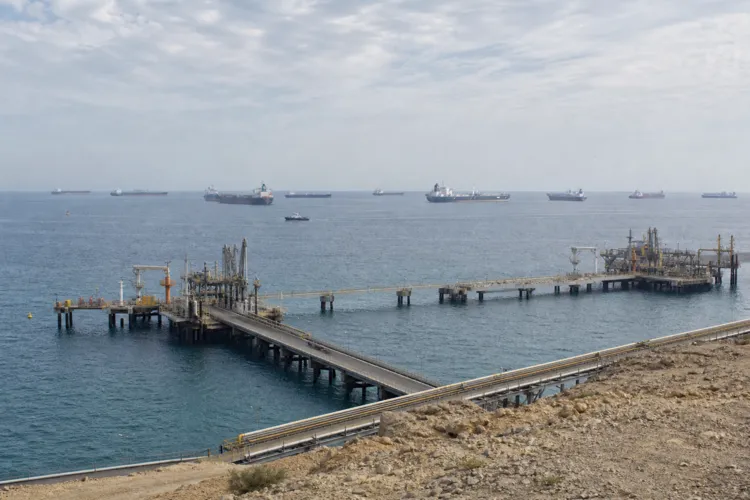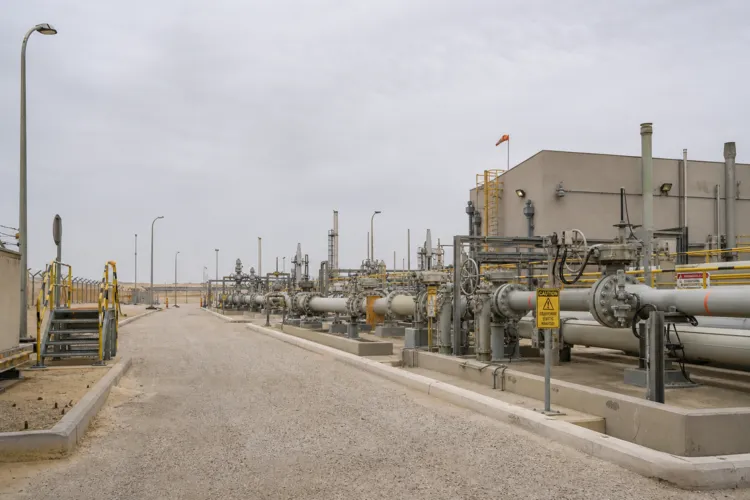
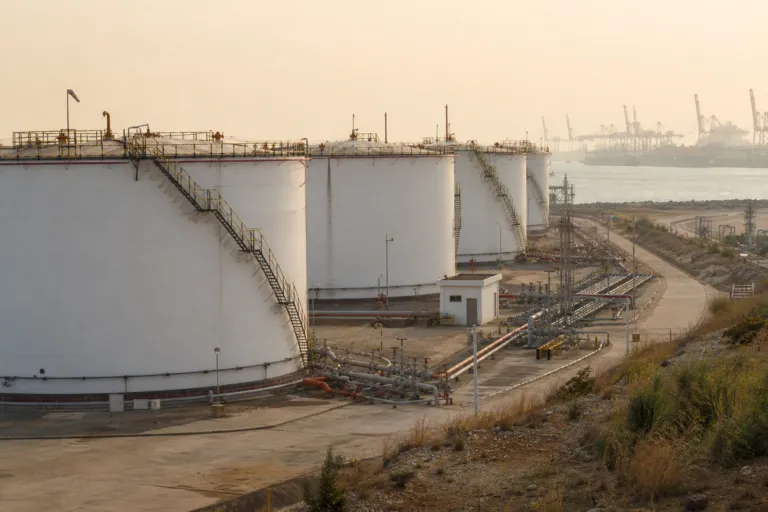
Saudi Aramco is looking at expanding oil storage overseas after the Iran war interrupted a key transit route through the Strait of Hormuz and jolted shipping routes, according to comments by Chairman Yasir Al-Rumayyan at the FII PRIORITY Europe summit in Rome. He said Aramco already has storage in Asia, including Korea and Japan, and is “thinking seriously” about building bigger storage worldwide. The logic is practical. Storage is not a substitute for production, but it can help keep crude flowing when tankers, ports, or insurance are disrupted. The International Energy Agency estimated about 20 million barrels a day passed through Hormuz in 2025, which helps explain why delivery resilience has become a board-level topic.
The strategic case becomes clearer when market conditions turn volatile. Reuters reporting cited a Kpler analyst saying reopening Hormuz might unleash 93 million barrels of non-Iranian oil stuck in the Gulf. That kind of release can change regional pricing dynamics quickly, and Reuters also pointed to weaker Asian refinery demand as a reason buyers could be cautious. In that environment, larger and better-placed inventories can act like a buffer. A separate analysis described how pre-positioned crude in consumer markets could allow response to Asian or European demand spikes “within days,” compared with “three to six weeks” for a voyage from the Arabian Gulf. This helps frame aramco strategic oil storage abroad as a logistics tool that supports reliability claims to buyers, not just an infrastructure project.
From Regional Storage Economics to Buyer-Centric Supply Options
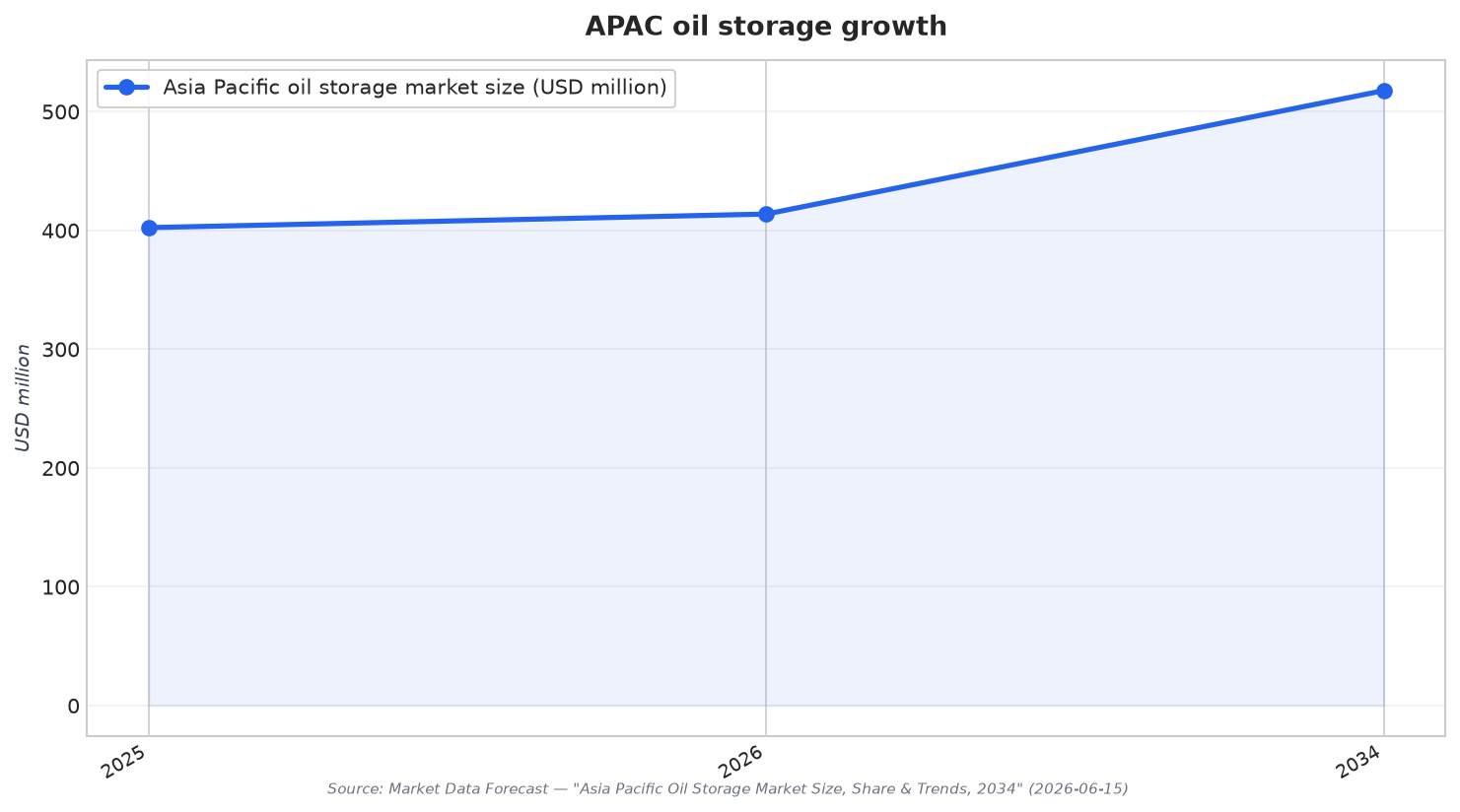
Asia’s storage backdrop also matters because infrastructure decisions sit inside a competitive regional market. One regional assessment valued the Asia Pacific oil storage market at USD 402.36 million in 2025, estimated USD 413.79 million in 2026, and projected USD 517.70 million by 2034, at a 2.84% CAGR from 2026 to 2034. The same source points to rising crude import dependencies among emerging economies such as India, Indonesia, and the Philippines. It also noted India’s crude oil import dependency rose to nearly 87% in fiscal year 2025, up from 79% in 2019, citing the Ministry of Petroleum and Natural Gas. Those figures are for India, but they show how import exposure can pull forward investment in tanks, ports, and strategic petroleum reserves across the region.
For Aramco, the “buyer end” of the equation is visible in its sales activity in Asia. Reuters reporting summarized by IndexBox said the company broadened crude supply for September loadings via routes that bypass the Strait of Hormuz, and that it sold no less than 4 million barrels to Chinese buyers earlier in the month. The same report said Aramco, for the second straight week, launched a marketing effort for Arab Medium and Arab Heavy crude among Asian refiners, and had previously sold at least 4 million barrels of heavier crude varieties to PetroChina and Sinochem the prior week. These are sales figures, not storage volumes, but they illustrate why having barrels positioned closer to customers could complement marketing during periods of route disruption.
Aramco’s overseas storage ambitions also intersect with investment conditions outside the region. At the Rome forum, Al-Rumayyan said PIF put 98 billion euros into Europe and Britain from 2017 through 2025, and that Aramco invested about 80 billion euros with suppliers in Europe. He also flagged that “regulatory challenges are really hurting investors,” as Europe tightens scrutiny of state-backed investors, with the European Commission’s Foreign Subsidies Regulation applying from July 2023. This matters because global storage expansion can require partnerships, terminals, and permitting across jurisdictions. In parallel, global market context underscores why storage keeps attracting capital: one industry estimate put the oil storage market at USD 17 billion in 2023 and projected 4.15% CAGR during 2024–2030.
Why is Aramco considering bigger oil-storage sites overseas?
Where does Aramco already have oil storage in Asia?
How do shipping disruptions in Hormuz shape the storage argument?
What recent sales activity shows Aramco’s focus on Asian buyers?
What is meant by Aramco’s strategic oil storage abroad in practical terms?
Talk to us for your needs in:
-
Energy Efficiency Strategy & Feasibility
-
Renewable Energy Strategy & Investment Advisory
-
Digital Energy & Smart Grid Strategy
-
Market Entry Strategy
-
Sustainability & Impact Strategy
-
Energy Project Governance & PMO Advisory
-
Energy Market Research
-
Energy Stakeholder & Customer Research
-
Energy Market Intelligence
-
Energy Feasibility & Investment Assessment
-
Energy Sector Benchmarking & Performance Strategy