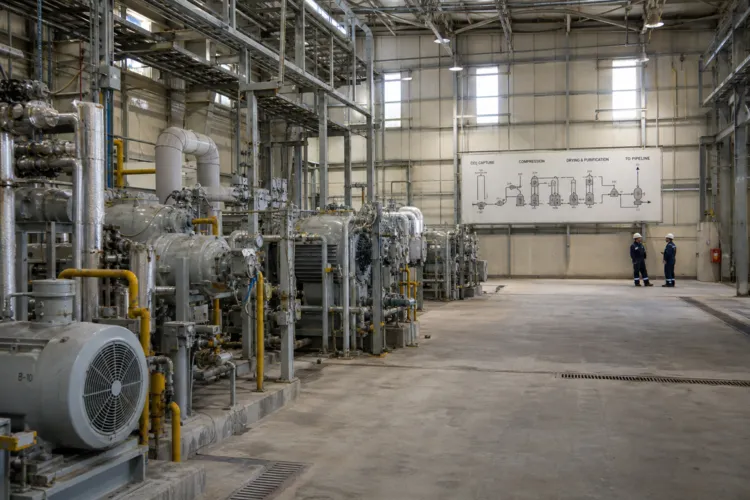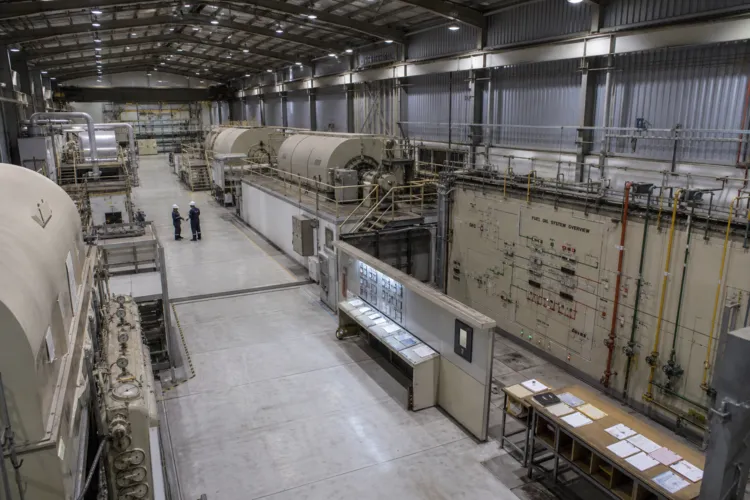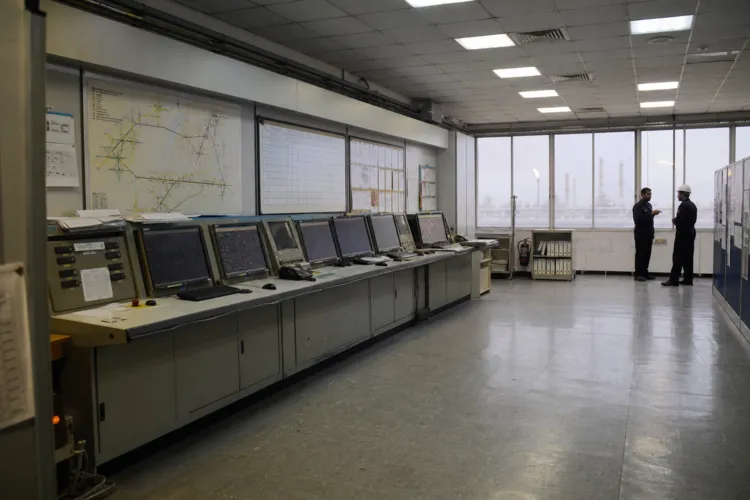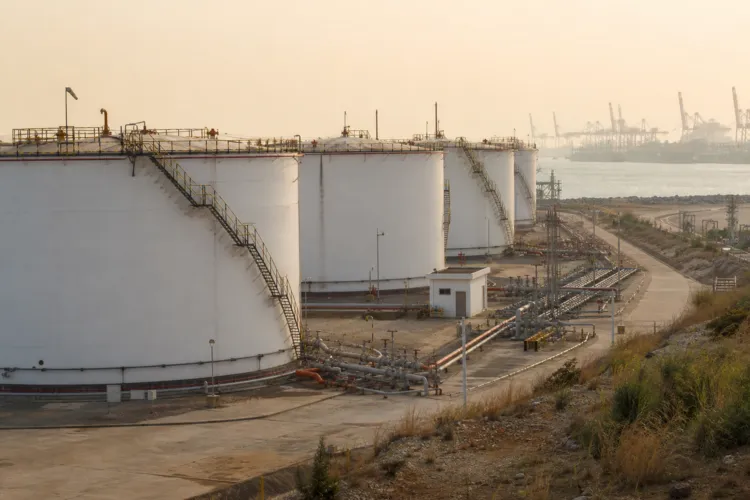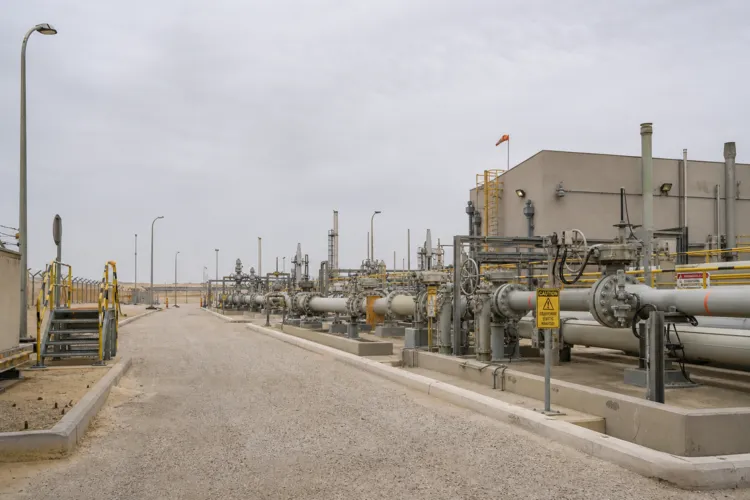
Protecting Saudi energy sites from drone threats is no longer only about fences and guards. Multiple 2026 analyses describe how perimeter defenses are strong against ground intrusions, yet often lack integrated air defense for multi-vector aerial threats. This matters in Saudi Arabia because clustering creates what security analysts call force multiplication for attackers and hard tradeoffs for defenders. The Eastern Province is highlighted as a high-exposure zone, with the majority of oil and gas installations concentrated in relatively confined areas around Dhahran and surrounding industrial complexes. In practical terms, a single facility event can spread uncertainty across regional networks because energy systems are connected through shared processing, logistics, and market expectations.
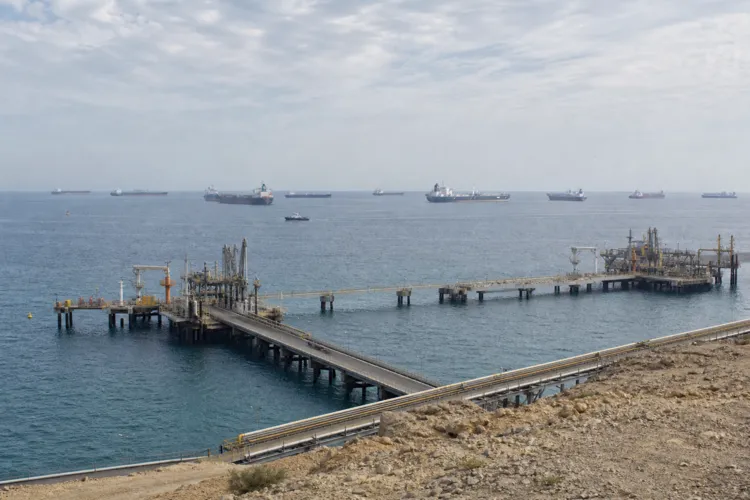
The strategic geography around key assets raises the stakes of any aerial attack. One 2026 report notes that approximately 20% of global petroleum liquids transit through the Strait of Hormuz daily, making disruption risks relevant far beyond any single facility. It also describes a drone strike on Saudi Aramco facilities at Ras Tanura and frames it as part of a shift toward precision targeting of economic infrastructure. Ras Tanura is described as positioned near Dammam, with daily crude oil production capacity exceeding 550,000 barrels. The same analysis points to the Eastern Province as a “target-rich environment,” citing the presence of Ras Tanura, the Ghawar oil field, and associated processing facilities within a relatively compact geographic area.
Resilience Lessons From 2026: Integrate Detection, Cyber Defense, and Planning
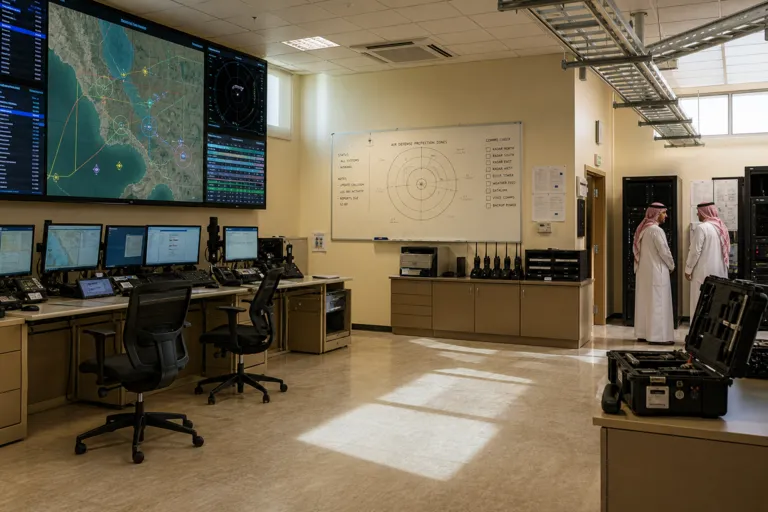
Resilience lessons in 2026 start with earlier detection and better decision support. One assessment describes systems that integrate satellite imagery, ground-based sensors, and predictive analytics to identify potential threats before they materialize into actual attacks. It also lists tools that fit energy corridors and wide perimeters: distributed fiber optic sensing to detect vibrations along pipeline routes that may indicate unauthorized access or tampering, thermal imaging networks for 24-hour monitoring with automated alerts, and drone surveillance systems that conduct regular patrol flights over critical infrastructure areas. This layered approach helps reduce blind spots created by low-altitude approach patterns and other tactics that exploit radar coverage gaps.
Physical protection alone is not enough, because digital complexity expands the attack surface. A 2026 vulnerability review warns that smart grid technologies introduce cybersecurity weaknesses that complement physical risks, creating multi-domain threat scenarios that require integrated defensive approaches. It also notes that the increasing digital integration of renewable energy systems expands potential attack vectors beyond traditional targeting. The same body of work argues that comprehensive resilience planning requires energy companies to integrate military-style threat assessment and response capabilities into traditionally civilian operational frameworks. For markets, another 2026 analysis adds that regulatory frameworks for protecting energy infrastructure continue evolving to address cyber security, drone technology, and sophisticated conventional attacks.
Finally, 2026 signals that the drone ecosystem inside Saudi Arabia is growing, which raises both risk and opportunity for protection programs. Research coverage states the Saudi Arabia drone market was valued at USD 284.90 million in 2025 and is projected to reach USD 787.35 million by 2035, expanding at a CAGR of 10.70% from 2026 to 2035. It also reports that the Asir region launched the country’s first municipal drone pilot program in January 2026 for surveying, infrastructure inspection, and urban service optimization, and notes that the energy sector remains a leading application area. For energy infrastructure security in Saudi Arabia, that growth reinforces a core 2026 lesson: treat drones as both a threat vector and a monitoring tool, and plan resilience across air defense, sensing, cyber controls, and regulatory compliance.
Why is Saudi Arabia’s Eastern Province highlighted as a high-risk zone for drone attacks?
What key chokepoint figure is tied to Persian Gulf energy security in the 2026 sources?
What production capacity is cited for Ras Tanura in the 2026 reporting?
Which technologies are named for early warning and monitoring of energy infrastructure threats?
What do the 2026 sources suggest for improving energy infrastructure security in Saudi Arabia against drone threats?
Talk to us for your needs in:
-
Energy Efficiency Strategy & Feasibility
-
Renewable Energy Strategy & Investment Advisory
-
Digital Energy & Smart Grid Strategy
-
Market Entry Strategy
-
Sustainability & Impact Strategy
-
Energy Project Governance & PMO Advisory
-
Energy Market Research
-
Energy Stakeholder & Customer Research
-
Energy Market Intelligence
-
Energy Feasibility & Investment Assessment
-
Energy Sector Benchmarking & Performance Strategy