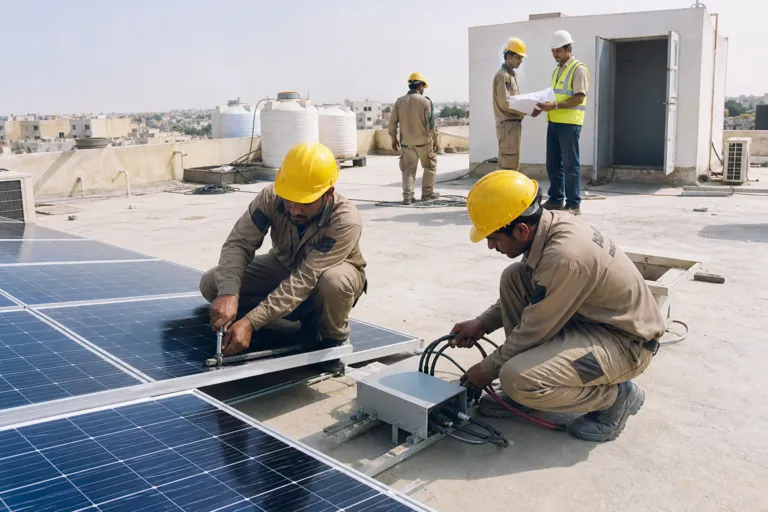
The saudi arabia rooftop solar program discussion is rising alongside a broader shift in the Kingdom’s power system. Saudi Arabia’s National Renewable Energy Program is positioned to diversify the electricity production mix. The Energy Ministry says renewables are going to make up around 50% of the energy mix used to produce electricity by 2030, alongside replacing liquid fuel with natural gas. This context matters for rooftop solar because distributed generation can help reduce pressure on centralized generation, but only if rules for exporting surplus power are clear and bankable.
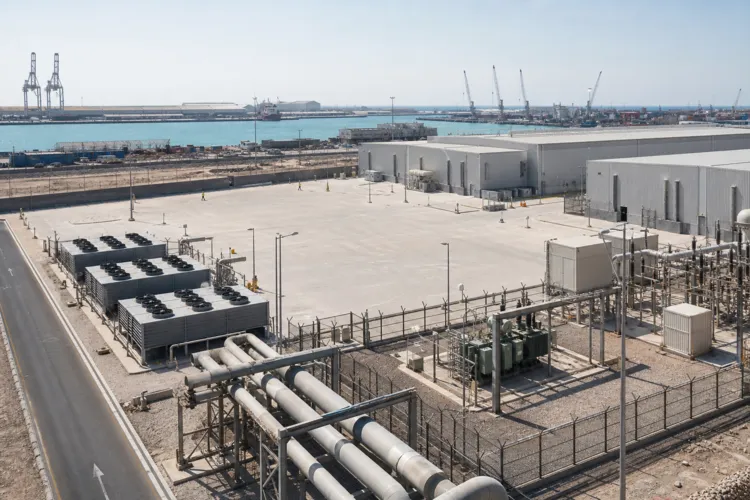
Utility-scale momentum provides a strong backdrop for rooftop adoption, even if the drivers differ. PV Magazine reported that Saudi Arabia added around 7.8 GW of solar in 2025, led by gigawatt-sized utility-scale projects. Among projects to come online were three from ACWA Power totaling 2.79 GW of new operational capacity. The same reporting noted that the sixth phase of the national renewable energy program concluded by awarding 3 GW of solar, and that the seventh round has already kicked off, covering 3.1 GW across four solar projects. These signals show rapid scaling and continued procurement activity.
Net Metering Tariffs: Why Policy Stability Shapes Rooftop Uptake
Sources provided do not state specific net metering tariff rates for Saudi Arabia. They do, however, highlight a core adoption lesson: market confidence can erode when export-credit rules move unpredictably. A report in The News International described how “inconsistent net metering policies” and “declining electricity rates for surplus energy” can create “significant market uncertainty,” alongside financing challenges. For Saudi rooftop solar, the practical takeaway is that adoption outlook for 2026 will depend on stable, transparent, and favorable rules for surplus power treatment, plus financing structures that can withstand policy changes.
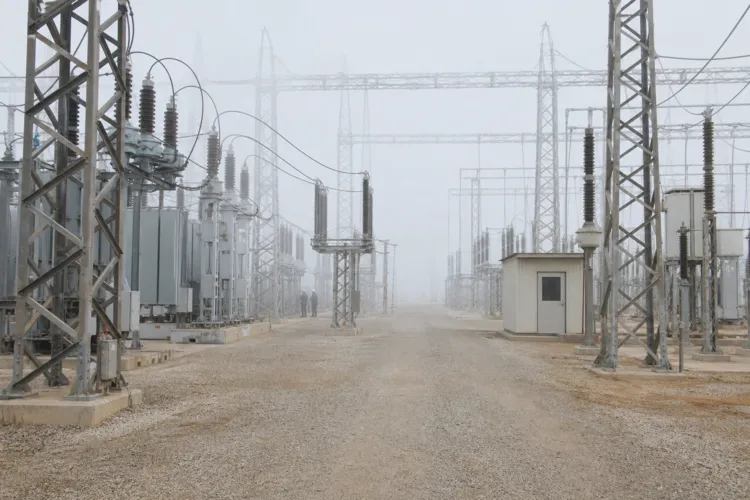
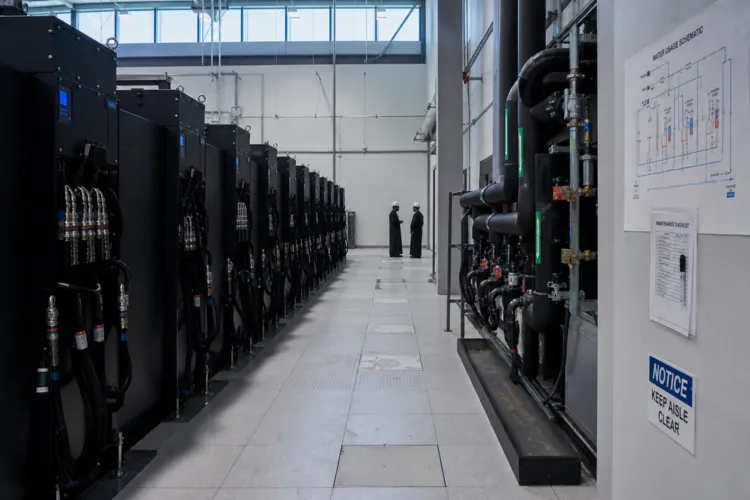
Grid integration and flexibility also sit at the center of a realistic 2026 outlook. PV Magazine quoted analysis that Saudi Arabia needs major grid and flexibility investments to absorb much more solar. The same reporting pointed to needs including new transmission to resource areas, better forecasting, grid codes for inverter-based resources, and large-scale PV-plus-storage procurement to cover evening peaks and limit curtailment. It also argued for expanding distributed solar via “simple net billing/wheeling for businesses,” plus mobilizing low-cost finance such as green bonds or sukuk guarantees. These are not rooftop-specific statistics, but they map directly to the bottlenecks that can slow distributed adoption.
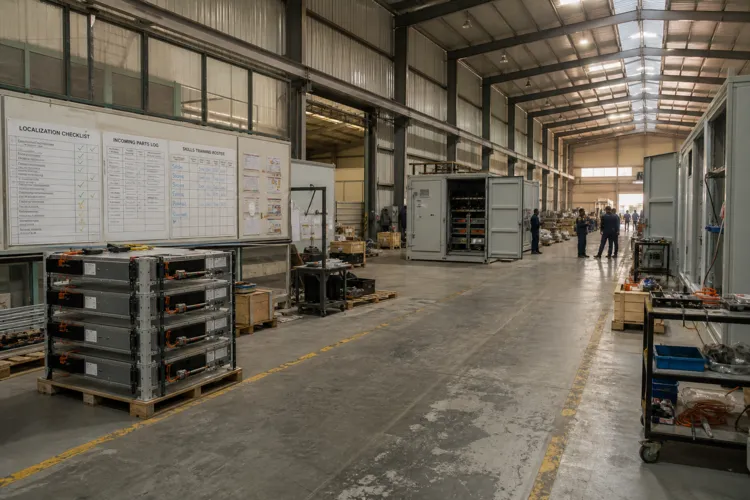
On economics and supply capability, Saudi procurement outcomes point to competitiveness, while local capacity is also expanding. Oilprice.com reported that Saudi Arabia awarded five renewables projects worth a total estimated investment of $2.4 billion (9 billion Saudi riyals), totaling 4.5 GW, as part of the sixth phase of the National Renewable Energy Program. The same source cited an LCOE of 1.09682 U.S cents per kWh for the 1.4-GW Najran Solar Energy Project. On manufacturing, Energetica India and Power Line reported GameChange Solar expanded its regional manufacturing capacity in Saudi Arabia to 6 GW annually, with expansion expected to be completed by September 2025. Together, these factors support a constructive adoption outlook into 2026, assuming rooftop policy clarity keeps pace.
What is the saudi arabia rooftop solar program adoption outlook for 2026?
Are net metering tariff rates for Saudi rooftops listed in the sources?
What grid issues could affect rooftop solar adoption?
What recent Saudi procurement signals support solar growth?
Is there evidence of expanding solar manufacturing capacity in Saudi Arabia?
Talk to us for your needs in:
-
Energy Efficiency Strategy & Feasibility
-
Renewable Energy Strategy & Investment Advisory
-
Digital Energy & Smart Grid Strategy
-
Market Entry Strategy
-
Sustainability & Impact Strategy
-
Energy Project Governance & PMO Advisory
-
Energy Market Research
-
Energy Stakeholder & Customer Research
-
Energy Market Intelligence
-
Energy Feasibility & Investment Assessment
-
Energy Sector Benchmarking & Performance Strategy