
The saudi oil revenue windfall 2026 story starts with a price shock and an export-routing advantage. After the conflict escalated in late February 2026, commercial traffic through the Strait of Hormuz was effectively shut down, a chokepoint that normally carries roughly 20% of global oil and LNG flows. Brent crude jumped from around $70 per barrel before the war to peaks near $120, and remained elevated around $100–112 into May. In March, production across key Gulf producers (Saudi Arabia, UAE, Kuwait, Iraq) dropped by 6.7–10+ million barrels per day. In that price-vs-volume trade-off, maintaining export options became the difference between losses and windfall revenues.
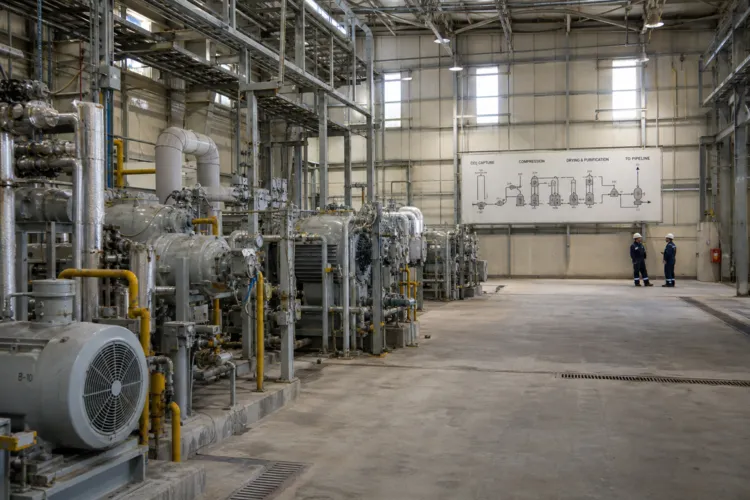
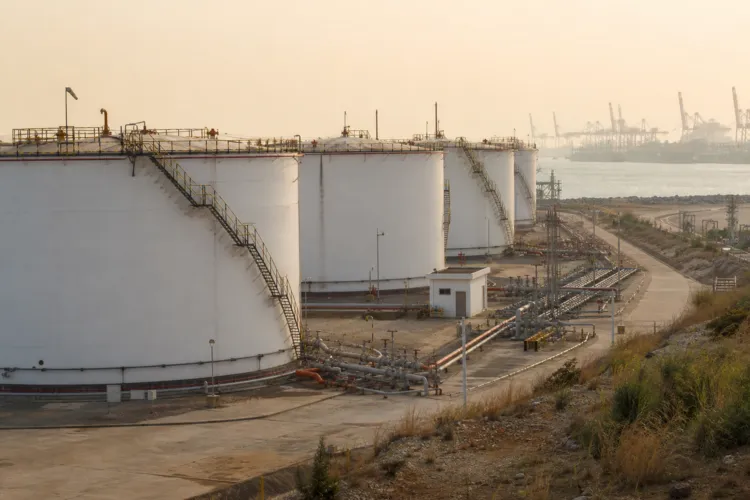
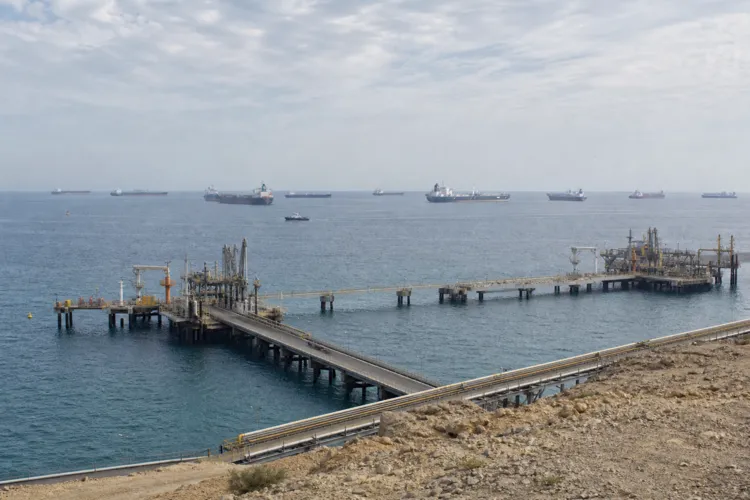
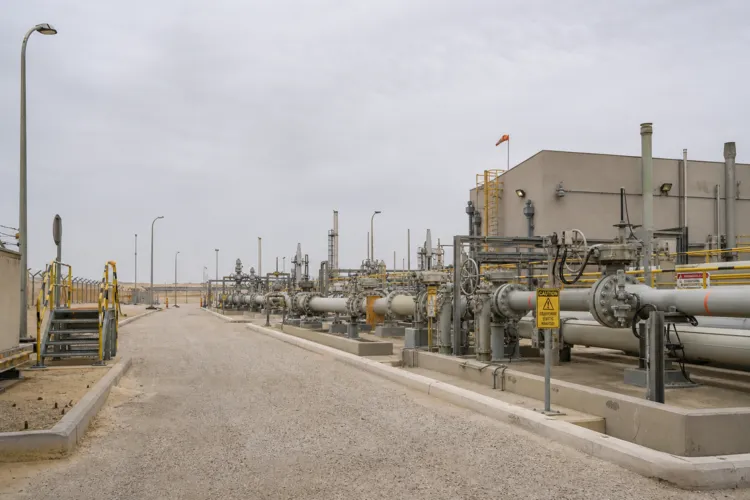
Saudi Arabia’s critical release valve was its East-West Crude Oil Pipeline (Petroline), built in the 1980s to bypass Hormuz. During the crisis, the pipeline’s capacity—expanded to 7 million barrels per day—operated at or near full capacity, routing crude to the Red Sea port of Yanbu. That helped Saudi Aramco sustain roughly 5 million barrels per day of crude exports via the Red Sea even as Gulf loadings collapsed, despite reported attacks on facilities and a pumping station. Later in 2026, exports via the pipeline resumed with flows reaching about 3.5 million barrels per day, underscoring both resilience and ongoing vulnerability.
Where the Windfall Shows Up: Aramco Profits, Dividends, and State Cashflow
The biggest near-term channel for extra cash is Aramco’s financial performance and the way it links to state funding. Energy News Beat reported Aramco Q1 2026 net profit rose 25–26% year-on-year to about $32–33.6 billion, as higher prices outweighed lower volumes. Analysts also estimated $25–50 billion in additional annual oil revenue for Saudi Arabia above 2026 budget assumptions that used about $65 per barrel. Separately, a Guardian analysis estimated Aramco could make $25.5 billion in 2026 war profit if oil averages $100, adding context to how price levels translate into corporate upside.
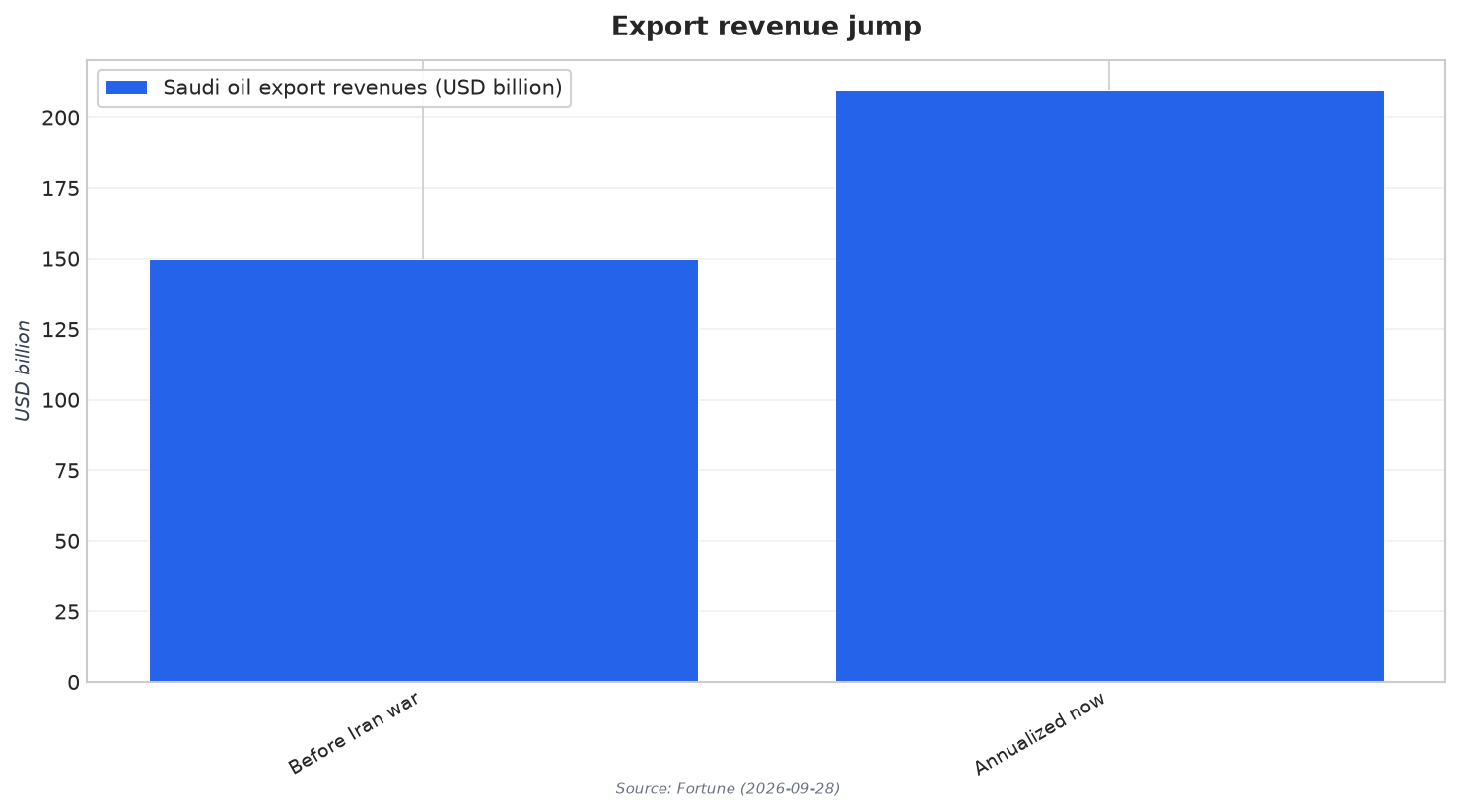
From there, cash flows into shareholder distributions and sovereign vehicles. For full-year 2025, Aramco reported net income of $104.7 billion and cash flow from operations of $136.2 billion. Total shareholder distributions were $85.5 billion, including a base dividend of $21.89 billion, and the company announced a share buyback program worth up to $30 billion over 18 months. The Saudi government retains about 98% ownership through the Ministry of Energy and the PIF, which helps explain why Aramco’s dividend stream and related oil-derived cashflow are repeatedly described as feeding state coffers and sovereign investment vehicles.
The budget and strategy layer shows how the windfall can be absorbed and re-allocated. Saudi Arabia’s 2026 budget estimated total revenues of SAR 1,147 billion, with “other revenues” listed at SAR 735 billion, including oil revenues and profit dividends from government investments. IMF estimates cited in the export overview put the 2026 fiscal breakeven at roughly $80–91 per barrel, with consensus in the high $80s, highlighting why sustained prices around $100–112 matter. That same overview notes the PIF is recapitalized through Aramco share transfers and dividend flows, while long-cycle energy bets such as crude-to-chemicals aim to convert 2–4 million barrels per day of crude into chemicals via pathways including SABIC’s COTC technology and Aramco’s TC2C development.
What triggered Saudi Arabia’s 2026 oil revenue windfall in the energy sector?
How did the East-West pipeline support Saudi exports during the 2026 disruption?
What do the sources say about Aramco’s profits during the windfall period?
Where can the extra cash flow after Aramco profits?
How do crude-to-chemicals plans fit into Saudi energy-sector spending priorities?
Talk to us for your needs in:
-
Energy Efficiency Strategy & Feasibility
-
Renewable Energy Strategy & Investment Advisory
-
Digital Energy & Smart Grid Strategy
-
Market Entry Strategy
-
Sustainability & Impact Strategy
-
Energy Project Governance & PMO Advisory
-
Energy Market Research
-
Energy Stakeholder & Customer Research
-
Energy Market Intelligence
-
Energy Feasibility & Investment Assessment
-
Energy Sector Benchmarking & Performance Strategy