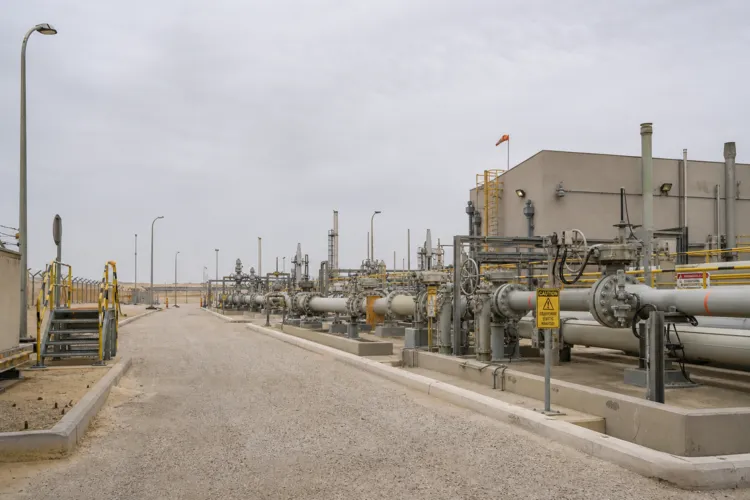
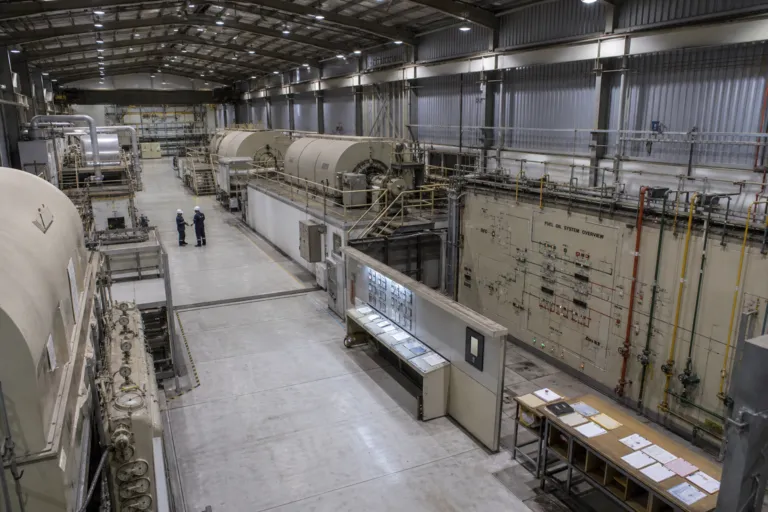
Summer 2026 revived the debate around crude burn power generation in Saudi Arabia. Analysts expected the kingdom to lean more heavily on oil-fired power because natural gas availability tightened after oilfield shut-ins linked to the Iran war and disrupted export routes. Reuters reported that Saudi Arabia was expected to burn more imported fuel oil for power generation after losing natural gas supply from oilfields that were shut. The operational pressure arrived just as electricity demand typically climbs from April and peaks in August, raising the need for flexible fuels at power and desalination sites.
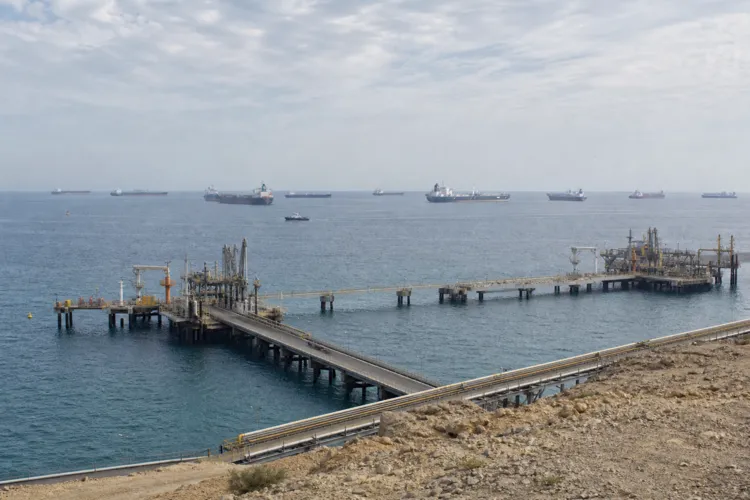
The immediate trigger was a loss of gas tied to reduced oil production. According to a Reuters-linked report, more than 3 million barrels per day of production was shut after an Iranian blockade of the Strait of Hormuz halted crude shipments from Ras Tanura, cutting off associated gas output tied to oil production. Saudi Aramco said gas production slipped to 10.5 billion cubic feet per day in the first quarter, down from 10.7 billion cubic feet per day in Q4 2025, despite the December start-up of the Jafurah gas field. With less gas available for power plants, incremental barrels had to come from crude, high-sulphur fuel oil (HSFO), and other fuel oil supply options.
Imports Rose Fast, While Crude Exports Stayed a Priority
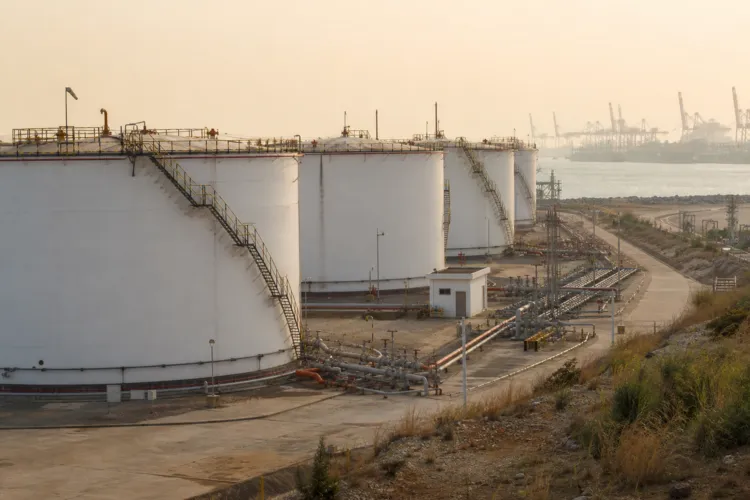
Fuel oil imports became the fastest lever to pull. Vortexa data cited in the reports showed Aramco boosted fuel oil imports to about 1.7 million tons (360,000 bbl/d) in April, an 86% increase from a year earlier. Most of these shipments were discharged at terminals serving power and desalination facilities, including Jeddah South and Shuqaiq Steam. Rystad Energy’s Rahul Choudhary said the sharp jump in imports was a leading indicator that oil burn would rise above year-ago levels. In parallel, analysts also noted that HSFO was cheaper than Saudi crude, reinforcing the incentive to substitute toward fuel oil where possible.
Even so, the summer story was not simply “burn more crude.” Reuters reported that Saudi Aramco was expected to burn less crude for power this summer as it prioritised crude, mostly Arab Light, for export via the East-West pipeline to the Red Sea port of Yanbu. Direct crude burn averaged 593,500 bpd between June and September last year, according to JODI data. Analysts differed on the 2026 outcome: Wood Mackenzie projected a decline of 5,000 to 15,000 bbl/d versus the 629,000 bpd average between June and August 2025, while other analysts argued constraints could still push crude burn higher than in 2025 if substitution options hit limits.
On a broader basis, the risk case for 2026 was a rebound in total oil use in the power sector. Choudhary said burning crude and fuel oil for power could exceed 1 million b/d this summer, reversing the 2025 low of 991,000 b/d. That near-term reversal sits beside a longer-term economic logic for switching away from crude. Rystad Energy said gas-fired combined-cycle units can operate at up to 60% efficiency compared with around 30% for crude-fired systems, translating into operational costs six to eight times lower per kilowatt-hour. With domestic electricity demand described as hovering around 171 TWh, Rystad added that unconventional gas could displace up to 350,000 bpd of crude burn by 2030, with Jafurah expected to offset 35,000 bpd in 2025 and gradually increase toward 350,000 bpd by 2030.
Why did oil-fired power rise again in Saudi Arabia in summer 2026?
How big was the jump in Saudi fuel oil imports for power-related use?
What do we know about recent crude burn levels for power in Saudi Arabia?
Could combined crude and fuel oil burn for power exceed 1 million b/d in 2026?
What is the outlook for crude burn power generation in Saudi Arabia longer term?
Talk to us for your needs in:
-
Energy Efficiency Strategy & Feasibility
-
Renewable Energy Strategy & Investment Advisory
-
Digital Energy & Smart Grid Strategy
-
Market Entry Strategy
-
Sustainability & Impact Strategy
-
Energy Project Governance & PMO Advisory
-
Energy Market Research
-
Energy Stakeholder & Customer Research
-
Energy Market Intelligence
-
Energy Feasibility & Investment Assessment
-
Energy Sector Benchmarking & Performance Strategy