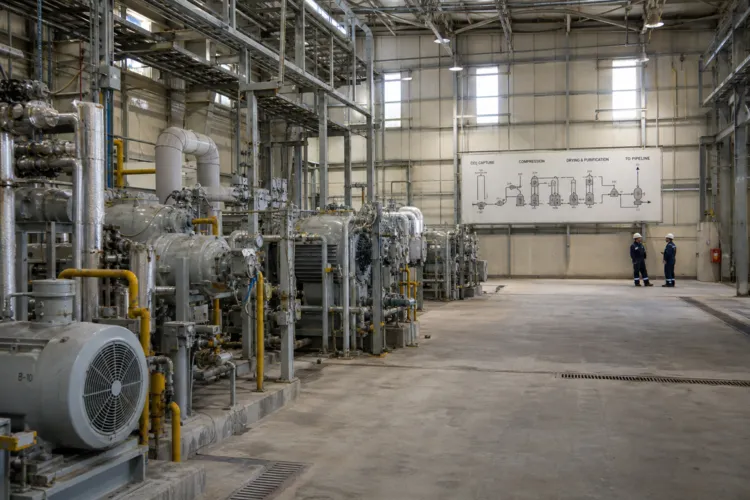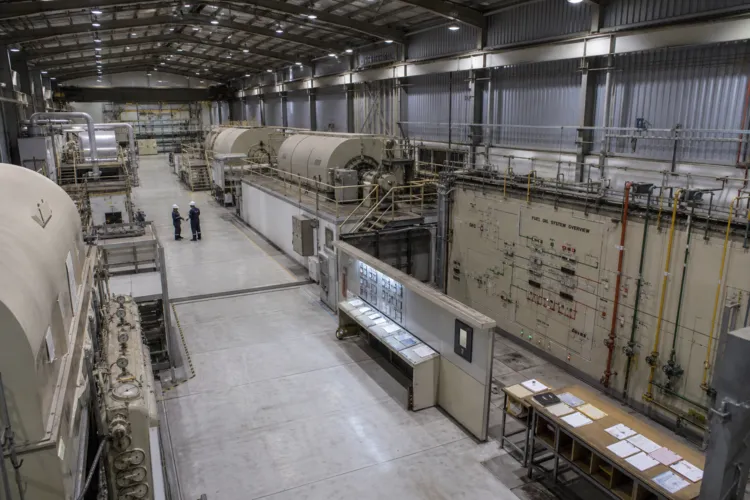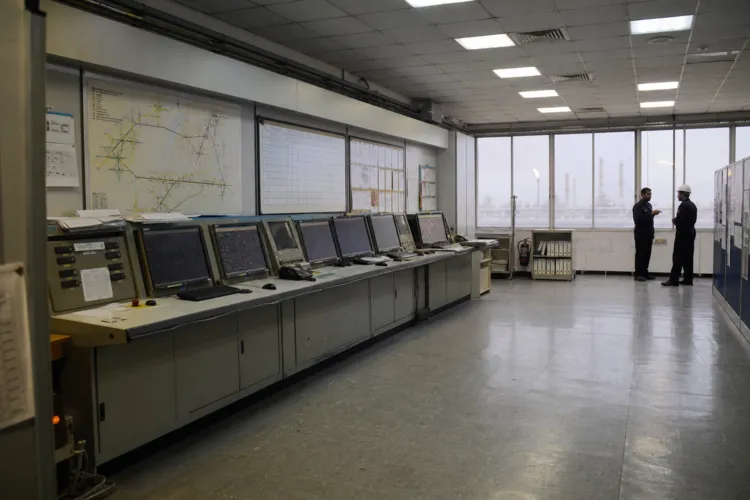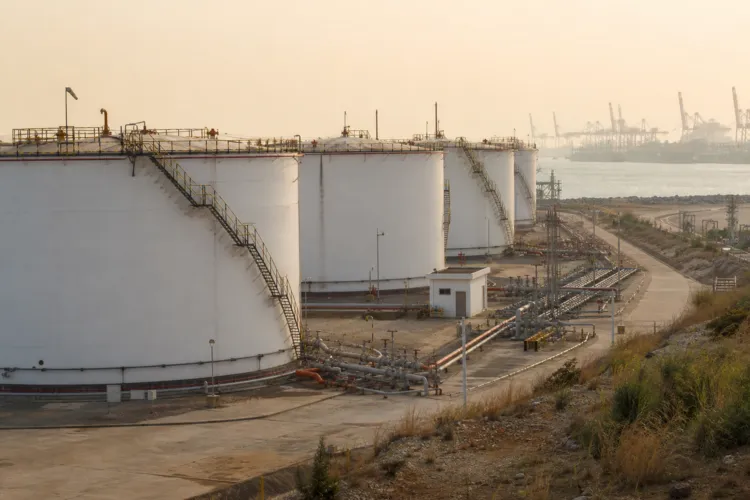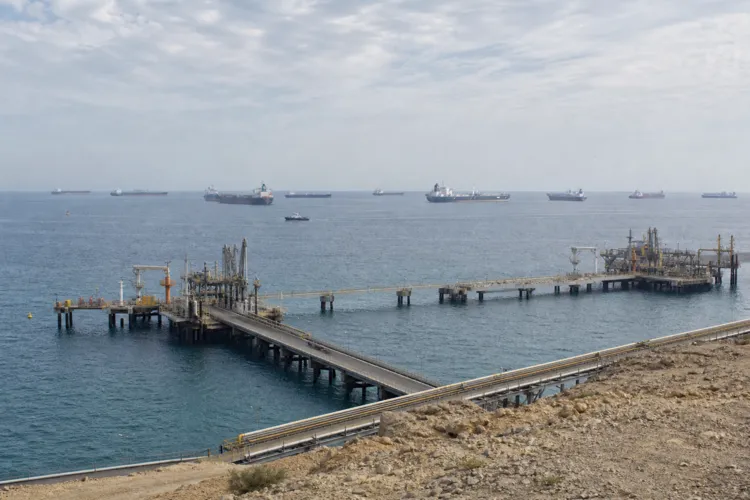
Saudi Aramco’s Tanajib Gas Plant startup is positioned as a practical midstream milestone in Saudi Arabia’s gas expansion strategy. Operations commenced in December 2025, and the plant is expected to reach a raw gas processing capacity of 2.6 Bscfd in 2026. In reporting on the tanajib gas plant saudi arabia build-out, the common thread is timing: the commissioning sits alongside other late-2025 milestones, and it is framed as immediate capacity that can absorb additional gas volumes. Aramco also links the plant to goals that include diversifying the energy mix and enhancing energy security.
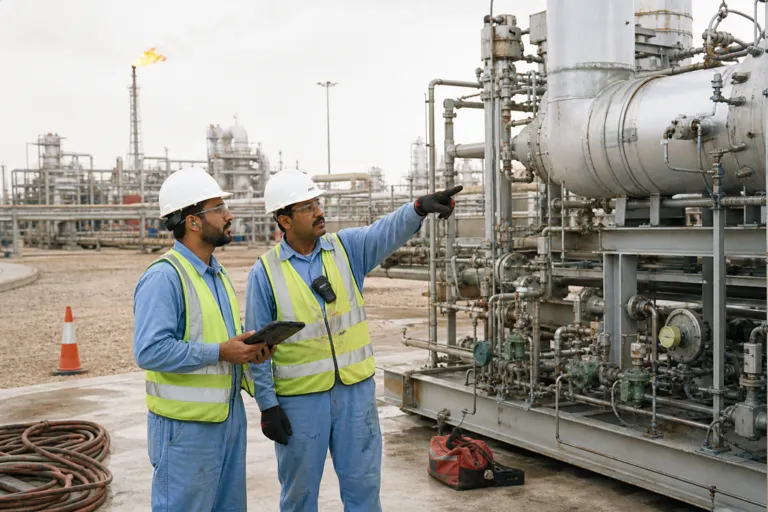
The facility’s feedstock is clearly defined in the sources. Tanajib processes associated raw gas from crude oil production at the offshore Marjan and Zuluf fields. Multiple reports note that the Tanajib operations coincided with the start-up of the Marjan crude oil increment project, tying the gas plant’s role to an integrated upstream-and-midstream sequence rather than a standalone asset. One source also describes Tanajib as designed for digital integration and operational efficiency, reinforcing the idea that capacity scale and operational readiness are both part of the startup narrative.
How Tanajib Fits Aramco’s 2030 Gas Growth Plan
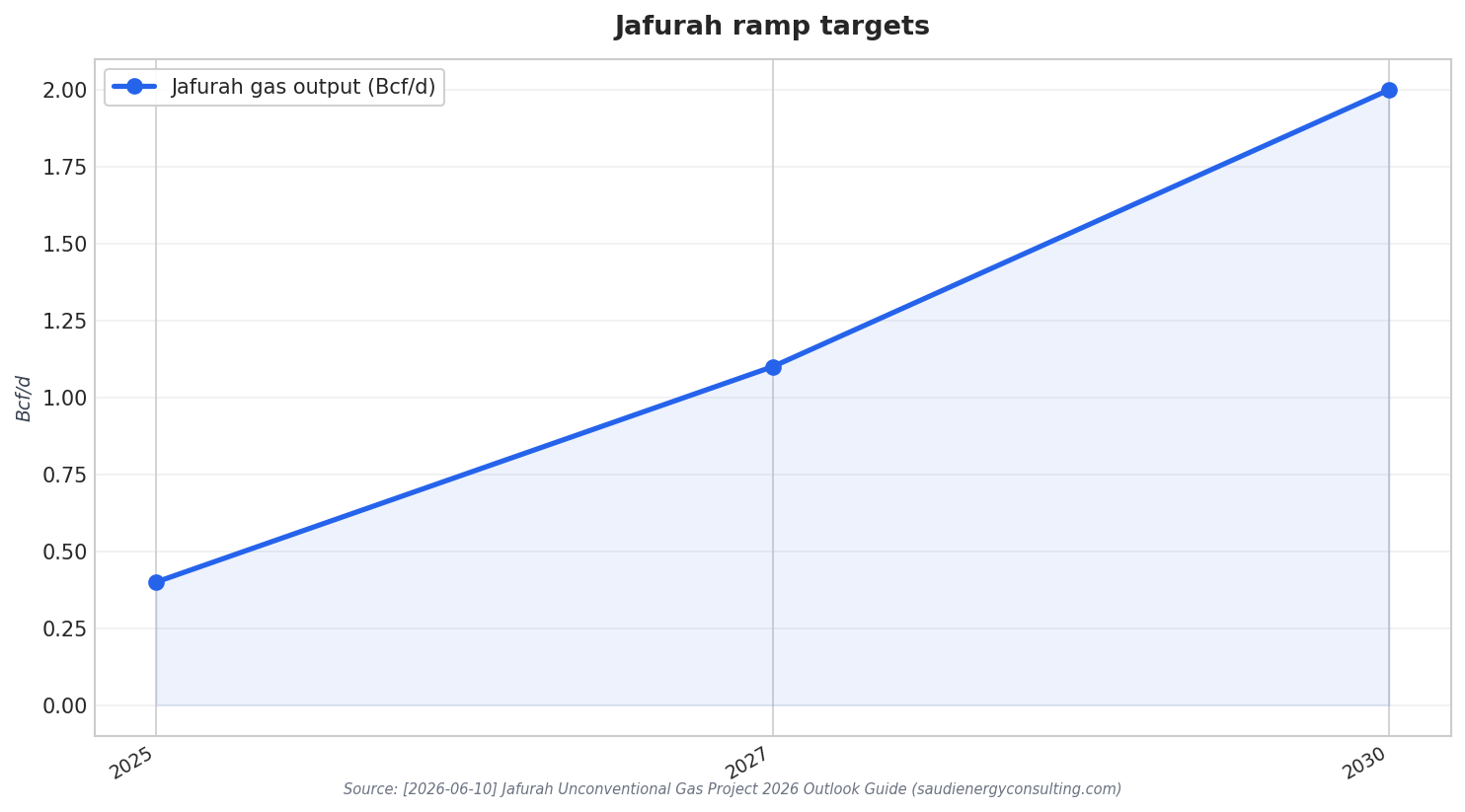
Tanajib is repeatedly described as complementary to Jafurah, which began first shale gas production in December 2025. Jafurah spans about 17,000 sq km and is estimated to contain 229 Tscf of raw gas and 75 Bbbl of condensate and liquids. For output, sources describe phase-one facilities producing 450 MMcfd, with published waypoints that list about 400 MMcfd in 2025, about 1.1 Bcfd in 2027, and about 2 Bcfd in 2030. By 2030, Jafurah is also expected to deliver up to 2 Bscfd of sales gas, plus 420 MMscfd of ethane and approximately 630,000 bpd of high-value liquids.
Aramco places these combined developments inside a wider portfolio objective: increasing sales gas production capacity by about 80% by 2030 compared to 2021 levels. Another planning figure in the sources describes total gas and associated liquids production projected to reach roughly 6 MMboed under the plan. The strategic use case is also spelled out. Gas from Jafurah is expected to support Saudi Arabia’s power generation needs by replacing crude currently burned for electricity, aligning with a stated objective to displace liquid fuels in domestic power generation.
Beyond volume targets, the sources attach financial and organizational signals to the gas expansion push. Aramco estimates incremental gas volumes could generate between $12 billion and $15 billion in additional operating cash flow by 2030, subject to market conditions. Separately, contract and investment structures are cited around Jafurah’s build-out, including contracts valued at $10 billion for the first phase awarded in 2021 and $12.4 billion for the second phase awarded in 2024, plus an $11 billion lease and leaseback investment agreement for Jafurah gas processing facilities that formed Jafurah Midstream Gas Co with a 51% stake held by the oil company and 49% by a consortium. In this context, Tanajib’s 2026 capacity target is presented as a near-term, tangible step that supports the wider ramp.
When did the Tanajib Gas Plant in Saudi Arabia start operations?
What processing capacity is expected for the Tanajib Gas Plant in 2026?
Which fields supply gas to the Tanajib Gas Plant?
How does Tanajib relate to the Jafurah gas project timeline?
What is Aramco’s stated sales gas capacity growth target by 2030?
Talk to us for your needs in:
-
Energy Efficiency Strategy & Feasibility
-
Renewable Energy Strategy & Investment Advisory
-
Digital Energy & Smart Grid Strategy
-
Market Entry Strategy
-
Sustainability & Impact Strategy
-
Energy Project Governance & PMO Advisory
-
Energy Market Research
-
Energy Stakeholder & Customer Research
-
Energy Market Intelligence
-
Energy Feasibility & Investment Assessment
-
Energy Sector Benchmarking & Performance Strategy