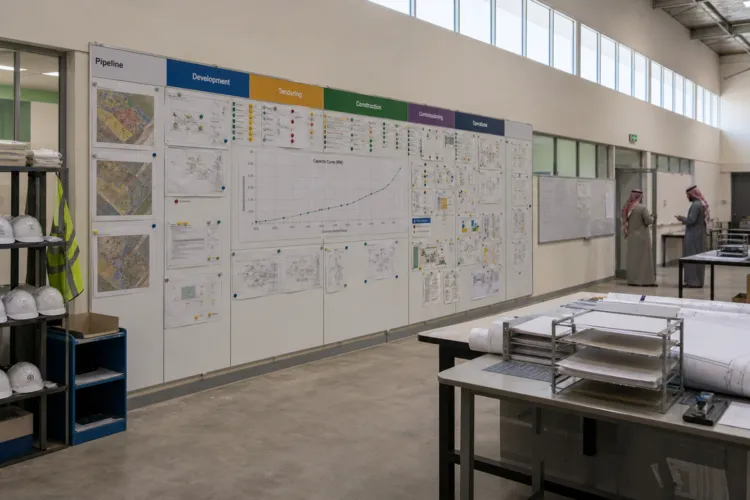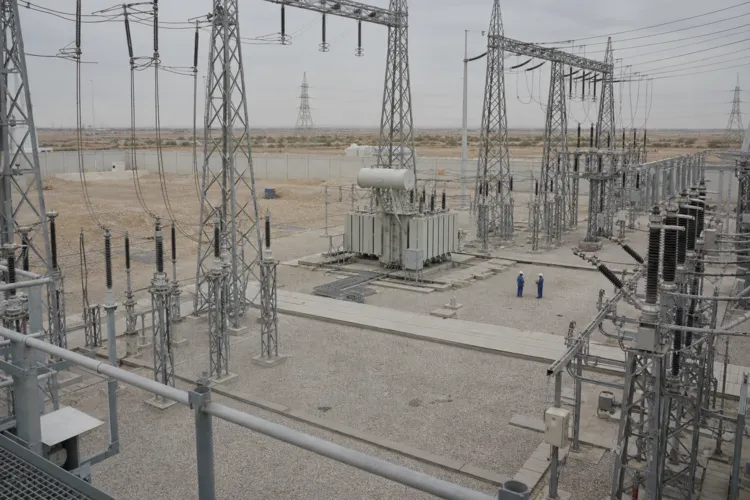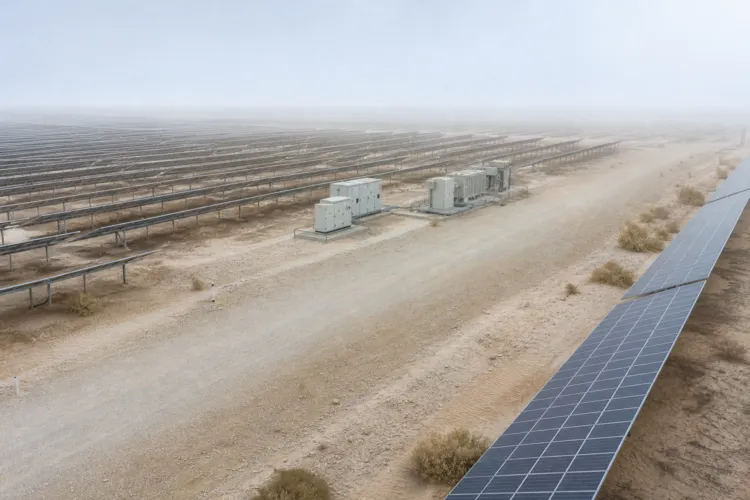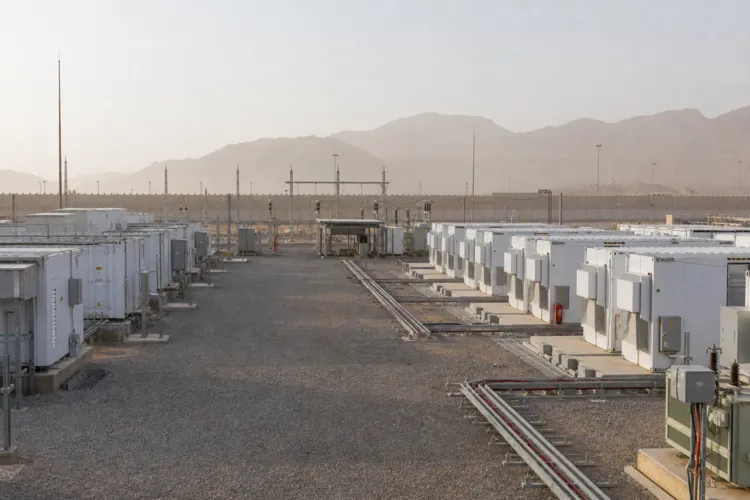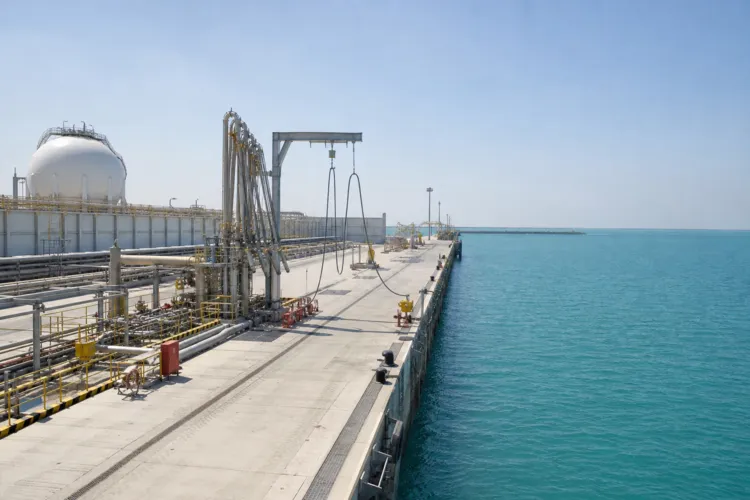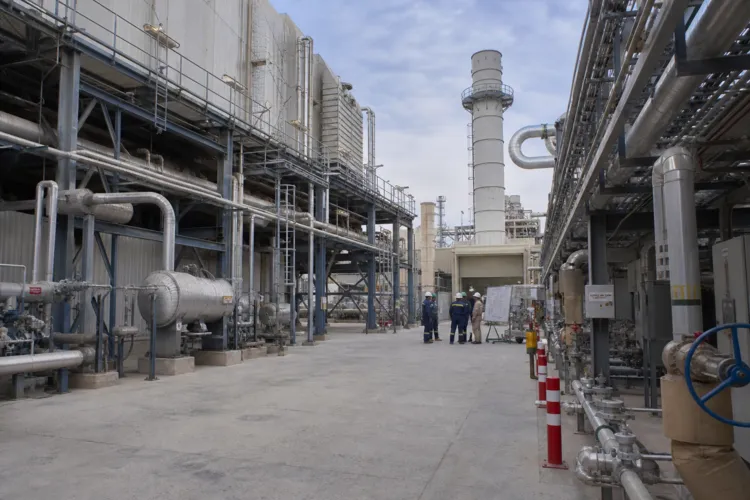
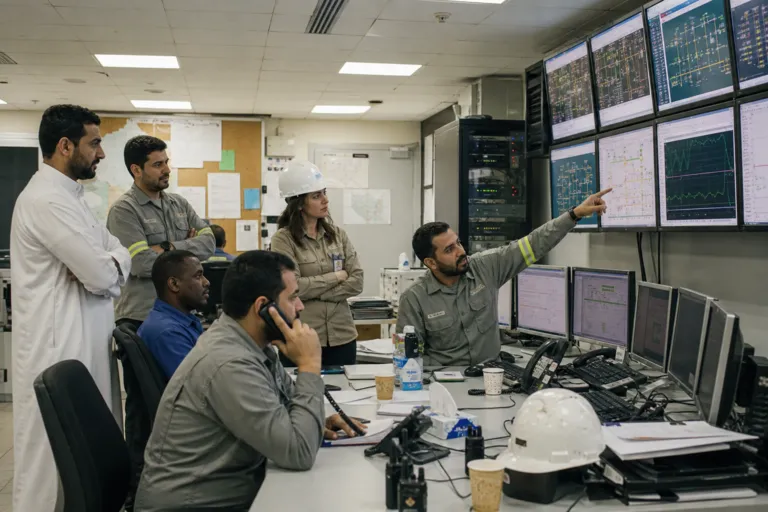
The saudi 7.8 gwh bess grid project sits in the middle of a wider shift: Saudi Arabia is adding large amounts of solar, but the next constraint is grid readiness. pv magazine reported Saudi Arabia added around 7.8 GW of solar in 2025. In the same reporting, analyst Saibasan said the Kingdom needs major grid and flexibility investments to absorb much more solar. The focus is not only new generation. It is also the ability to move power to resource areas, connect fast, and cover evening peaks without wasting daytime output.
That is where large-scale batteries and grid connection discipline matter. Saibasan highlighted several specific needs: new transmission to resource areas, better forecasting, and grid codes for inverter-based resources. He also pointed to large-scale PV-plus-storage procurement to cover evening peaks and limit curtailment. The Najran, Khamis Mushait, and Madaya experience is best read through that lens. Even when projects are ready to build, grid rules, forecasting expectations, and interconnection processes decide how much value a battery can actually deliver once it is energized.
Najran, Khamis Mushait, and Madaya: Practical Grid-Connection Lessons
The biggest lesson is that “grid connection” is not a single step. It is a sequence of technical and commercial requirements that must match inverter-based realities. Saibasan’s call for better grid codes for inverter-based resources points to the same issue: batteries and PV behave differently than conventional plants, so the rules must be clear and enforceable. A second lesson is forecasting and operational planning. Better forecasting was highlighted as essential, because flexibility assets earn their keep when dispatch and constraints are predictable and curtailment risk is visible early.
Procurement scale and timing is the next takeaway. pv magazine noted Saudi Power Procurement Company signed five solar PPAs totaling 12 GW and two wind PPAs totaling 3 GW, described as the largest renewable energy capacity signed for in a single phase globally to date, with projects scheduled to be operational across 2027 and 2028. Saibasan added that main drivers are likely to shift toward grid integration and flexibility, with faster interconnection and a focus on large-scale solar-plus-storage. That context raises the bar for BESS projects: interconnection queues and transmission planning must keep pace with contracted pipelines.
Finally, flexibility is not only utility-scale. Saibasan also recommended expanding distributed solar via simple net billing or wheeling for businesses, mobilizing low-cost finance such as green bonds or sukuk guarantees, building cost-effective local supply chains and workforce, and adopting desert-optimized O&M standards. Those steps reduce friction across the whole system, from rooftop solar to large batteries. For the saudi 7.8 gwh bess grid project, the deeper point is simple: grid integration work must be treated as core infrastructure, not as an afterthought once capacity is announced.
A useful external comparison shows why scale is moving quickly across the region, and why replication is often discussed. Power Technology reported a UAE development that aims to integrate 5.2 GW of solar with a BESS totaling 19 GWh, scheduled to commence operations in 2027, and involving more than 1,000 liquid-cooled PowerTitan 3.0 ESS units. The article described it as a blueprint intended to be replicated. Saudi Arabia’s own challenge, as pv magazine framed it, is to pair solar growth with transmission, forecasting, and interconnection speed so that batteries can reliably cover evening peaks and limit curtailment.
What is the “saudi 7.8 gwh bess grid project” really about?
What did pv magazine say Saudi Arabia needs to absorb more solar?
What renewable capacity did Saudi Power Procurement Company sign in the cited reporting?
Why do grid codes matter for PV and batteries?
Is there a regional example of solar paired with large-scale storage?
Talk to us for your needs in:
-
Energy Efficiency Strategy & Feasibility
-
Renewable Energy Strategy & Investment Advisory
-
Digital Energy & Smart Grid Strategy
-
Market Entry Strategy
-
Sustainability & Impact Strategy
-
Energy Project Governance & PMO Advisory
-
Energy Market Research
-
Energy Stakeholder & Customer Research
-
Energy Market Intelligence
-
Energy Feasibility & Investment Assessment
-
Energy Sector Benchmarking & Performance Strategy