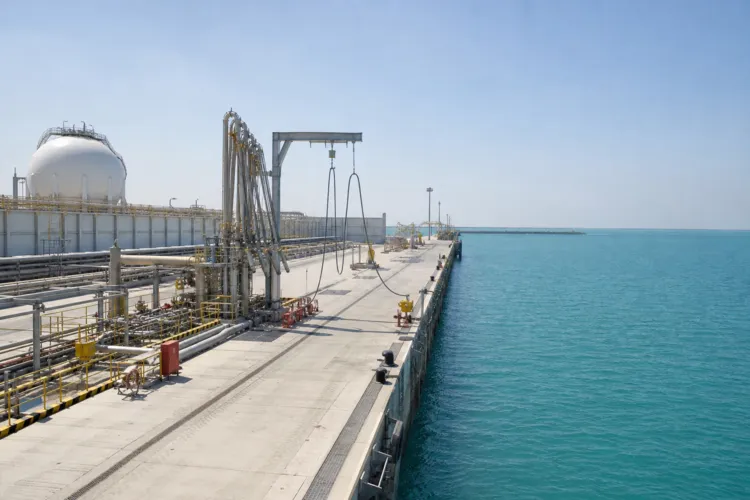
The jazan green ammonia project saudi arabia conversation is accelerating as the Kingdom stacks export-focused agreements across the hydrogen and ammonia value chain. One signal is a news report stating that a SARCO subsidiary signed an MoU with the UK’s AGR for 100% offtake of a green ammonia project in Saudi Arabia. The source does not add volumes, timelines, or site details, but the structure matters. A full offtake plan is designed to turn a production site into an export product. It also shifts attention from pilots toward contracts and routes to market.
Saudi Arabia is also aligning policy and industrial ambition around green hydrogen production and exports. A CleanTechnica report describes a Memorandum of Understanding between Stargate and the Kingdom’s Research, Development, and Innovation Authority. The stated aim is to establish Saudi Arabia as a leading producer and exporter of green hydrogen. The same report links this positioning to Vision 2030, described as a long-term national transformation plan announced in 2016. It also notes plans to explore opportunities to strengthen the regional hydrogen value chain, drive industrial decarbonization, and support local innovation alongside technology transfer and research partnerships, including with KAUST.
Why Offtake and Distribution Are Becoming the Export Playbook
Offtake, shipping, and distribution are where clean exports become real trade. A MarineLink report outlines how Air Products and Yara plan to collaborate on the NEOM Green Hydrogen Project in Saudi Arabia, described as more than 90 percent complete and expected to start commercial production in 2027. The same source states that Air Products is the sole offtaker of up to 1.2 million tonnes per year of renewable ammonia. It also says the companies anticipate a marketing and distribution agreement where Yara would commercialize, on a commission basis, ammonia not sold by Air Products as renewable hydrogen in Europe, targeted for completion during the first half of 2026.
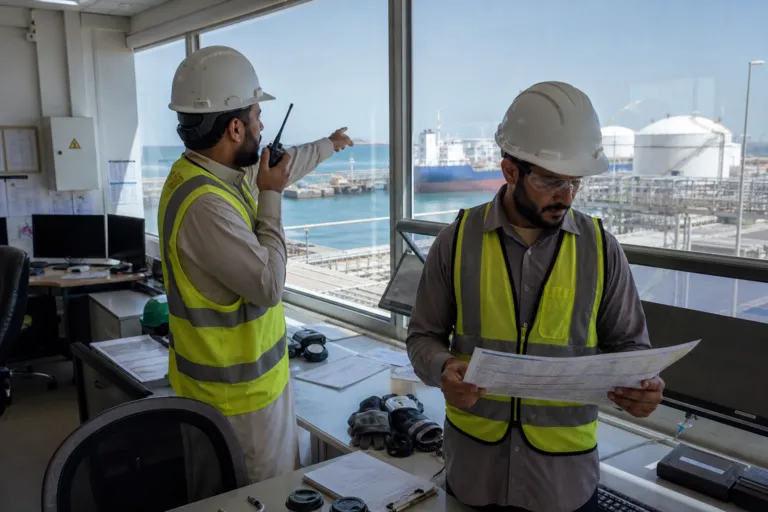
Distribution capacity is presented as a core lever. The MarineLink report says Yara is the world’s largest trader and shipper of ammonia and is currently transporting over four million metric tonnes annually. This activity is supported by 12 ammonia vessels and 18 import terminals, and the company also has significant internal ammonia demand. For Saudi-linked projects, that kind of downstream reach helps turn molecules into delivered product. It also shows why a SARCO-related 100% offtake concept fits a wider pattern: bankable demand and channels can be as important as the plant itself.
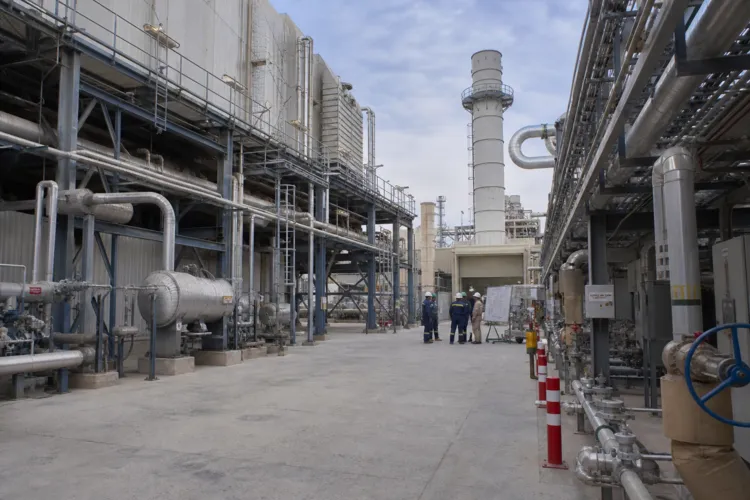
Export readiness is increasingly tied to compliance and qualification for end markets. HydrogenInsight reports that Acwa has taken first steps toward securing RFNBO certification for its 4GW green hydrogen and ammonia project in the Red Sea port city of Yanbu, Saudi Arabia. The article notes that if fully certified, output from the facility could be used to meet strict EU quotas. This matters for any export narrative around the jazan green ammonia project saudi arabia keyword. Even when project details are limited in the provided sources, the broader trend is clear: deals, certification pathways, and distribution networks are being built in parallel to production.
What is the jazan green ammonia project saudi arabia deal mentioned in the sources?
How close is NEOM’s renewable ammonia supply chain to operations?
What renewable ammonia volume is linked to NEOM in the sources?
What does the Stargate–RDI MoU aim to achieve for Saudi Arabia?
Why does RFNBO pre-certification matter for Saudi exports?
Talk to us for your needs in:
-
Energy Efficiency Strategy & Feasibility
-
Renewable Energy Strategy & Investment Advisory
-
Digital Energy & Smart Grid Strategy
-
Market Entry Strategy
-
Sustainability & Impact Strategy
-
Energy Project Governance & PMO Advisory
-
Energy Market Research
-
Energy Stakeholder & Customer Research
-
Energy Market Intelligence
-
Energy Feasibility & Investment Assessment
-
Energy Sector Benchmarking & Performance Strategy