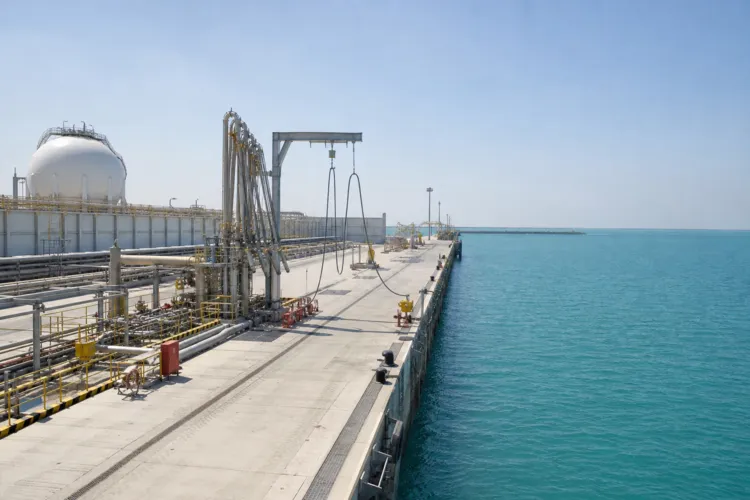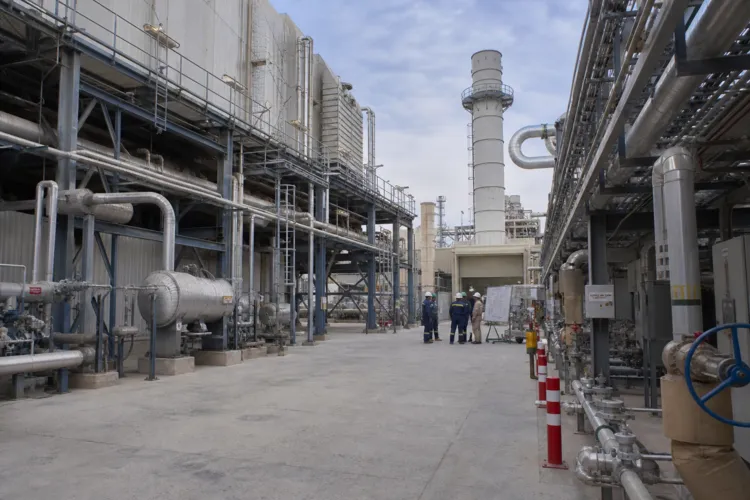

The saudi arabia carbon credit market 2026 is being shaped by a more explicit cost signal for emissions-intensive operations and by tighter expectations in voluntary carbon markets. On January 1, 2026, Saudi Aramco notified Tadawul-listed companies of significant adjustments to feedstock and fuel prices covering methane, ethane, diesel, and heavy fuel oil (HFO), with the move described as a milestone in a multi-year energy subsidy reform program and a shift toward aligning domestic energy costs with international market benchmarks. In the same long-term frame, the same reporting expects the 2026 adjustments to drive a massive wave of capital expenditure toward “Blue” and “Green” initiatives, strengthening incentives around hydrogen production and carbon capture.
Those corporate incentives can influence how compliance-style behavior emerges, even where formal compliance rules are still evolving. When input prices rise and margins tighten, companies often look for multiple levers, including operational upgrades and procurement strategies that can be supported by credible carbon credit use. The 2026 reforms are also framed as pushing the industrial base to align with global sustainability standards, while the transition period is characterized by tighter margins and rigorous corporate restructuring. For carbon credits, that kind of pressure typically raises the value of clarity: clearer baselines, transparent reporting, and more conservative claims, especially when credits are used in public-facing strategies.
Voluntary Pathways: Removals, Co-benefits, and Agriculture
On the voluntary side, buyer preferences are shifting toward removals that fit long-term net-zero and neutralization goals. One market view highlights that removal credits based on carbon sequestration in soils, trees, and long-lived materials such as biochar are gaining prominence. Avoided emissions credits, including reductions from lower methane in rice and livestock or improved fertilizer and manure management, still account for a significant share of traded volume and remain important for near-term mitigation and cost-effective scaling. That same view projects the voluntary agriculture carbon credit market growing at a 31.5% CAGR, while also noting challenges that increase focus on robust project design, conservative baselines, and transparent reporting.
Pricing research on biochar removals adds another signal relevant to 2026 procurement decisions. A Nature study assessing transactions up to 2024 finds that biochar carbon credit prices increase by 0.14% for each 1% increase in associated co-benefit claims, and it notes that Sustainable Development Goal (SDG) claims are valued across carbon credit types. For market participants, this creates a practical implication: documentation quality and credible co-benefit evidence can matter for realized prices, not only for marketing. It also supports a gradual tightening of voluntary standards as buyers seek credits that can stand up to scrutiny.
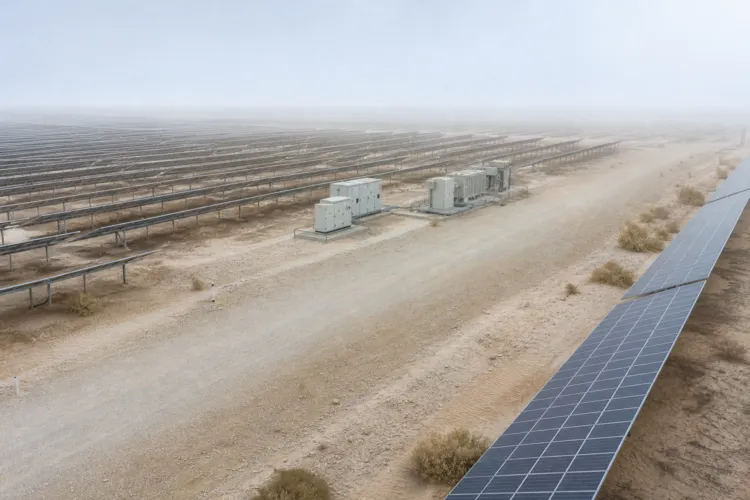
Decarbonization supply chains also connect to renewable buildout and industrial electrification, which can influence the types of projects that later seek crediting or complementary finance. Reporting on Saudi Arabia’s solar market notes that the sixth phase of the national renewable energy program awarded 3 GW of solar and that the seventh round covers 3.1 GW across four solar projects. It also reports that the Saudi Power Procurement Company signed five solar PPAs totaling 12 GW and two wind PPAs totaling 3 GW, with projects scheduled to be operational across 2027 and 2028. Even though these figures are not carbon-credit issuance data, they describe the operating context in which corporate buyers and project developers plan 2026 strategies.
In practice, the 2026 picture suggests a blended pathway. Companies facing higher energy input costs may prioritize efficiency and technology upgrades while selectively using voluntary credits that meet stronger expectations on durability, baselines, and reporting. Developers, in turn, can position projects around removal pathways such as soils, trees, and biochar, while still serving near-term demand for avoided emissions in agriculture and methane reduction. Across these pathways, the key differentiator is credibility: conservative quantification and transparent reporting, paired with well-supported co-benefit claims that the market has shown it can price.
What is driving the saudi arabia carbon credit market 2026 discussion?
Which credit types are gaining prominence in voluntary markets?
How fast is the voluntary agriculture carbon credit market expected to grow?
Do co-benefit claims affect carbon credit prices?
What quality signals are emphasized for scaling voluntary credits?
Talk to us for your needs in:
-
Energy Efficiency Strategy & Feasibility
-
Renewable Energy Strategy & Investment Advisory
-
Digital Energy & Smart Grid Strategy
-
Market Entry Strategy
-
Sustainability & Impact Strategy
-
Energy Project Governance & PMO Advisory
-
Energy Market Research
-
Energy Stakeholder & Customer Research
-
Energy Market Intelligence
-
Energy Feasibility & Investment Assessment
-
Energy Sector Benchmarking & Performance Strategy