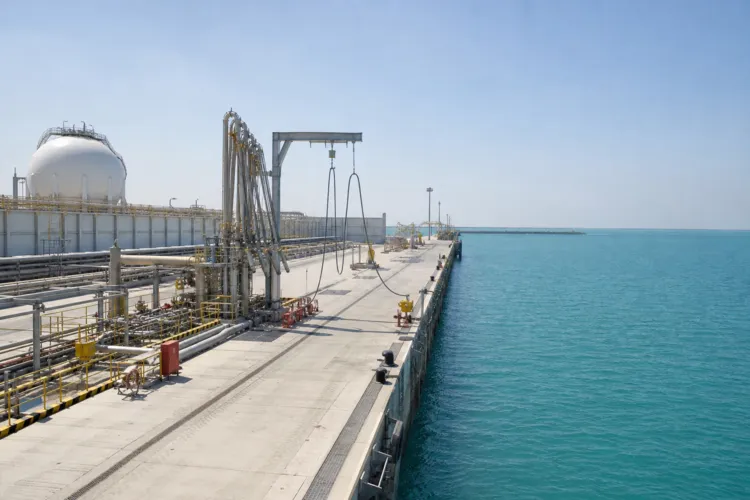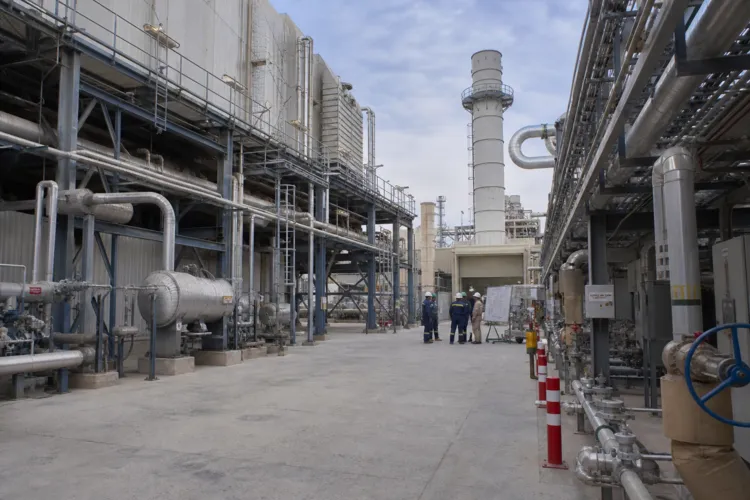
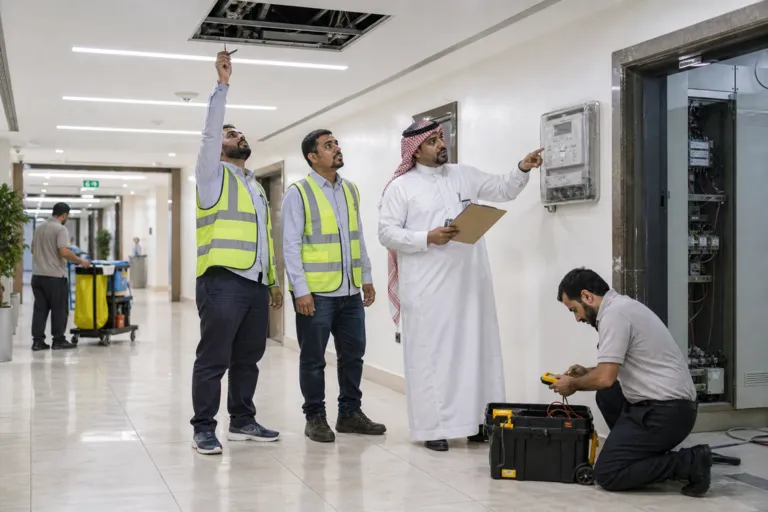
The National Energy Services Company (NESCO), branded as Tarshid, is an energy company established in March 2017 in the Kingdom of Saudi Arabia. A Saudi Royal Decree issued in March 2017 gave Tarshid an exclusive mandate to retrofit all public buildings and facilities in the Kingdom. In practice, that mandate positions Tarshid as a central delivery platform for building-side energy efficiency work. The company’s role also connects to market-building: Tarshid is set to support the development of a commercial energy services market by building the capacity of local Energy Services Companies (ESCOs) and facilitating the establishment of the world’s leading ESCOs in the Kingdom through collaboration with key stakeholders, including the Ministry of Finance (MOF) and the Saudi Energy Efficiency Center (SEEC).
Ownership and governance matter for how large retrofit programs get executed. Tarshid is fully owned by the Public Investment Fund (PIF) and has set targets for implementing energy efficiency projects in buildings and facilities across the Kingdom. Separate descriptions of its formation also emphasize coordination: Tarshid was created through a collaborative effort driven by the Saudi Energy Efficiency Program (SEEP), local authorities, and leading international energy agencies, framing it as an operational translation of broader energy efficiency efforts into solutions on the ground. For readers searching for tarshid energy efficiency saudi arabia, the key takeaway is that Tarshid’s mission is not only to run projects, but also to strengthen the ESCO ecosystem that delivers them.
Where Tarshid Fits in Saudi Arabia’s Power and Renewables Push
Tarshid’s retrofit mandate sits inside a wider national push to meet rising electricity demand more efficiently while diversifying the energy mix. According to Mordor Intelligence, Saudi Arabia’s power generation market is expected to grow from 87.81 gigawatt in 2024 to 116.41 gigawatt by 2029, at a CAGR of 5.80% during 2024–2029. In parallel, the Ministry of Energy’s spending on power and renewable energy projects is expected to reach $293 billion by 2030. Saudi Arabia has also pledged to generate 50% of the country’s electricity from renewable sources by 2030. These system-level objectives make demand-side efficiency—such as retrofits in buildings and facilities—an important complement to new generation.
The sector context also includes large, ongoing grid and capacity investments. Saudi Electricity Company (SEC) continues to expand its grid infrastructure. In 2023, SEC’s capex program amounted to $10.9 billion, a 51.8% increase from 2022. In 2024, SEC’s directly owned capacity stood at 56.4 GW, representing 61% of the Kingdom’s total capacity, and reflecting 2% year-on-year growth. SEC also deployed $16 billion in 2024 into generation, transmission, distribution, and general projects, marking a 43.8% increase on the previous year. Against this backdrop, Tarshid’s work on building retrofits targets consumption and performance at the end-use level, aligning efficiency actions with the scale of investment occurring across the power system.
Renewables growth provides another layer of context for how efficiency services can be valued and financed. Mordor Intelligence describes the Saudi Arabia renewable energy market as 15.06 gigawatt in 2026, growing at a CAGR of 38.12% to reach 75.68 gigawatt by 2031. Separately, the National Renewable Energy Program (NREP) has awarded 21 projects totaling 19 GW, and seven plants equal to 4.1 GW were operating by late 2024. Grid-connected renewables climbed to 6.5 GW in 2024 and are scheduled to double to 12.7 GW in 2025. As the system changes, energy-service companies are described as retrofitting commercial towers with variable-speed drives and smart controls that cut cooling consumption by 20%, with payback periods under four years at new tariff regimes—an illustration of the types of efficiency outcomes that ESCO capacity-building efforts can support.
What is Tarshid (NESCO) in Saudi Arabia?
What exclusive mandate was Tarshid given in 2017?
How does Tarshid support energy efficiency services beyond its own projects?
How does the Tarshid energy efficiency topic relate to Saudi Arabia’s broader power-sector plans?
What renewable-energy figures provide context for efficiency work in the Kingdom?
Talk to us for your needs in:
-
Energy Efficiency Strategy & Feasibility
-
Renewable Energy Strategy & Investment Advisory
-
Digital Energy & Smart Grid Strategy
-
Market Entry Strategy
-
Sustainability & Impact Strategy
-
Energy Project Governance & PMO Advisory
-
Energy Market Research
-
Energy Stakeholder & Customer Research
-
Energy Market Intelligence
-
Energy Feasibility & Investment Assessment
-
Energy Sector Benchmarking & Performance Strategy