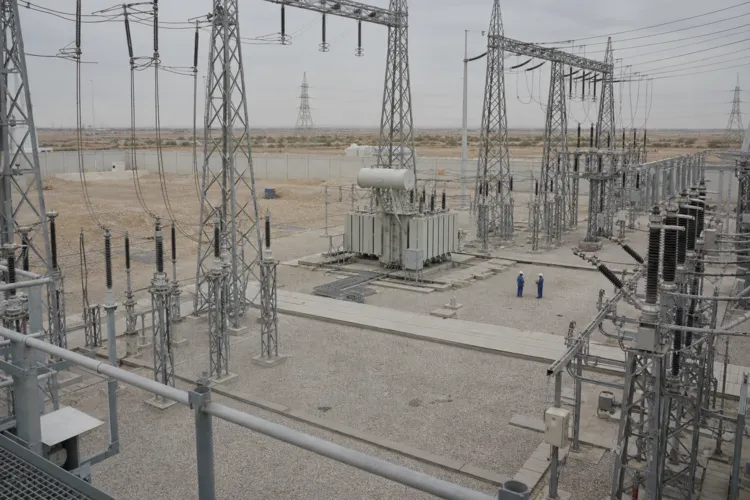
Saudi Arabia’s cross-border electricity links are expanding as the country strengthens transmission and supports regional power exchange. The GCC Interconnection Authority links six countries—Saudi Arabia, the UAE, Kuwait, Qatar, Bahrain, and Oman—and enables a shared peak capacity of 14.5 GW, based on its 2023 operational report. In market commentary on the Middle East power sector, the expansion of interconnections is described as improving energy security and optimizing generation assets, which supports wider power-market growth in the region. This regional context matters for Saudi Arabia because demand patterns are shaped by summer peaks, especially when cooling loads surge.
Peak demand is a central driver for why cross-border links matter. The International Energy Agency is cited as stating that peak electricity demand in GCC countries exceeds 160 GW, with air conditioning accounting for nearly 70% of residential load in nations like Saudi Arabia and the UAE. Those peaks create operational pressure that makes flexibility and access to neighboring systems more valuable. Within Saudi Arabia, the focus on improving the power sector also includes transmission, distribution, and smart grid investments, according to the U.S. government’s Saudi Arabia power market guide. In that framing, grid modernization supports rising residential and commercial demand while also supporting diversification of the domestic energy mix.
Saudi Arabia’s Grid Strategy Meets Regional Interconnection
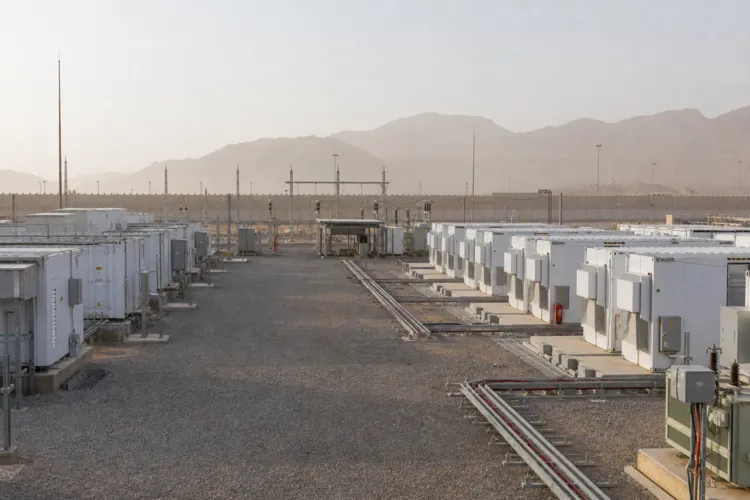
Saudi Arabia’s approach to interconnection is tied to a broader transformation in generation and network planning. One industry analysis estimates installed capacity rising from over 83 GW in 2022 to approximately 118 GW by 2030, alongside a planned split of 50% natural gas and 50% renewable energy sources. The same source says the Ministry of Energy’s spending on power and renewable energy source projects is expected to reach USD 293 billion by 2030. To make that system work efficiently and support regional exchange, Saudi Electricity Company, via its wholly owned transmission subsidiary National Grid SA, is pursuing additional interconnectors with Iraq, India, Jordan, and Egypt, while also highlighting the role of smart grid solutions such as smart meters, demand response systems, and energy storage.
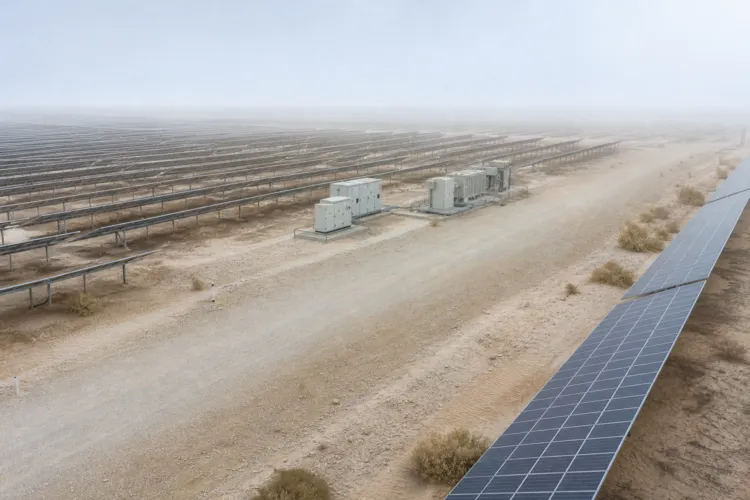
Saudi planning is also described in more granular renewable targets. The National Renewable Energy Program sets a 2030 renewable energy sources target of 58.7 GW, including 40 GW of solar PV, 16 GW of wind, and 2.7 GW of concentrated solar power, and it says more than 35 renewable energy parks will be established across the country. Another Saudi market outlook states renewables held 6.5 GW, or 6.8%, of installed capacity in 2024, are forecast to add 12.7 GW by 2025, and exceed 40 GW by 2030. It also projects the Saudi installed base growing from 100.60 GW in 2025 to 147.45 GW by 2030. As this buildout progresses, the GCC grid interconnection in Saudi Arabia can complement domestic resources by enabling wider balancing and more options for cross-border exchange during tight periods.
Cross-border links also sit within a wider regional build cycle for transmission equipment and HVDC projects. A Middle East and Africa high voltage switchgear report values the regional market at USD 2.40 billion in 2025 and estimates growth to USD 2.55 billion in 2026 and USD 3.34 billion by 2031. In the same report, Saudi Arabia retained 25.89% of 2025 revenue. It also references Egypt’s 3 GW Egypt-Saudi interconnector and notes utilities drove 72.68% of 2025 demand in the region’s high voltage switchgear market. For Saudi Arabia, these trends reinforce that interconnection is not only a policy topic but also a hardware-intensive buildout tied to transmission expansion and the practical requirements of trading electricity across borders.
What does the GCC Interconnection Authority link, and what capacity does it enable?
Why does peak demand make interconnection important in the GCC?
How is Saudi Arabia expanding regional power exchange beyond the GCC grid?
What targets are cited for Saudi Arabia’s generation mix and renewable buildout?
How does the GCC grid interconnection in Saudi Arabia fit with grid investment trends?
Talk to us for your needs in:
-
Energy Efficiency Strategy & Feasibility
-
Renewable Energy Strategy & Investment Advisory
-
Digital Energy & Smart Grid Strategy
-
Market Entry Strategy
-
Sustainability & Impact Strategy
-
Energy Project Governance & PMO Advisory
-
Energy Market Research
-
Energy Stakeholder & Customer Research
-
Energy Market Intelligence
-
Energy Feasibility & Investment Assessment
-
Energy Sector Benchmarking & Performance Strategy