
Geopolitical tensions and regional conflicts often shape global energy markets. For Saudi Arabia, one of the world’s largest oil producers, these developments directly influence revenues, investment flows, and business stability. The Saudi Energy Business Impact of war and geopolitical instability can be seen in oil price fluctuations, government revenues, foreign investment patterns, and operational challenges across the energy industry.
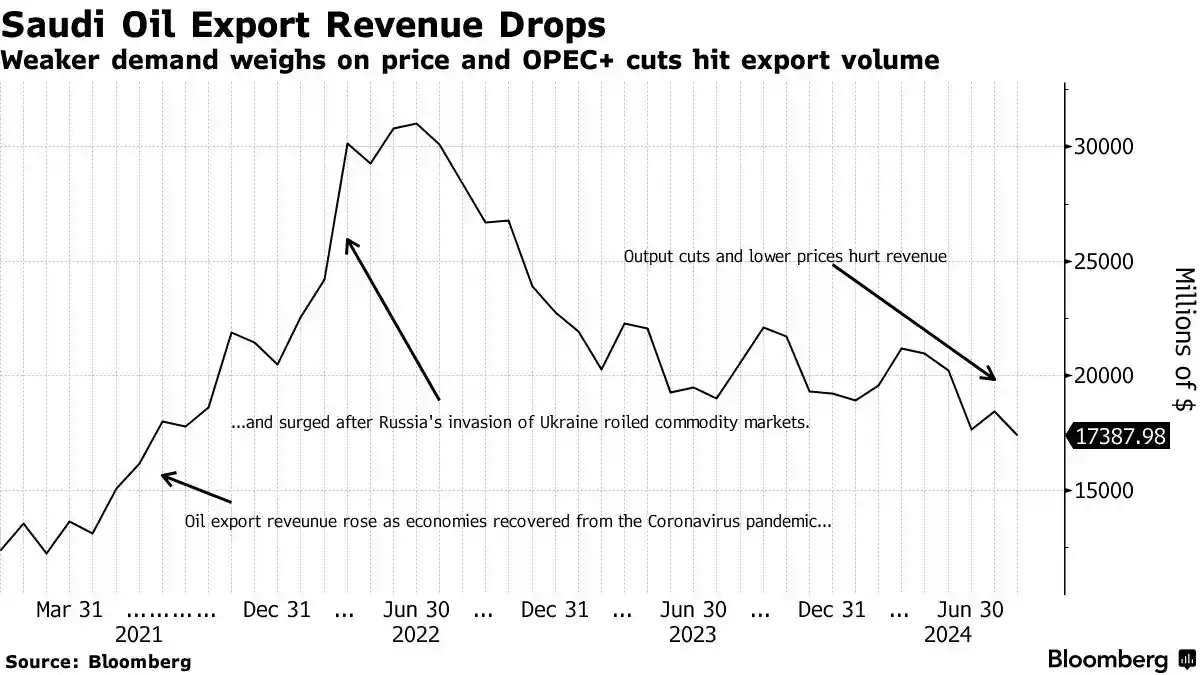
Saudi Arabia plays a central role in the global oil market. As a result, any conflict or instability in the Middle East quickly affects energy prices worldwide. Oil price movements are not only a reflection of supply and demand. They are also strongly influenced by political developments and security risks.
Data from the U.S. Energy Information Administration (EIA) shows how geopolitical tensions affect oil markets. The average price of Brent crude oil rose from $40.36 per barrel in 2016 to $70.21 per barrel in 2018. Much of this increase was influenced by tensions across the Middle East. These price changes demonstrate how instability in energy-producing regions can quickly affect global oil markets.
This relationship continued in recent years. According to the International Energy Agency (IEA), oil prices surged by 50% in 2021 due to ongoing conflicts in the Middle East. Such volatility highlights how closely energy markets are tied to geopolitical conditions. For Saudi Arabia, these fluctuations have direct economic consequences because the country’s finances remain heavily linked to oil revenues.
Oil Dependence and Economic Sensitivity
Saudi Arabia’s economy still relies strongly on oil income. In 2020, oil revenues accounted for approximately 90% of the Kingdom’s total revenue, according to the Saudi Arabian Ministry of Finance. This high dependency means that global oil price changes can significantly affect government income, investment plans, and public spending.
Even small shifts in oil prices can have a large financial impact. The World Bank estimates that every $10 increase in oil prices can generate an additional $3 billion in revenue for Saudi Arabia. This level of sensitivity explains why geopolitical events affecting oil supply often translate into noticeable economic changes for the Kingdom.
While rising oil prices can increase revenues, volatility also creates uncertainty for businesses. Energy companies must deal with fluctuating prices, shifting policies, and changing investment conditions. These factors influence operational planning and long-term strategies across the sector.
Despite these challenges, investor confidence in Saudi Arabia’s energy sector remains strong. According to the Saudi Arabian General Investment Authority (SAGIA), foreign direct investment (FDI) in the energy sector increased by 18% in 2021. This growth indicates that global investors still view the Kingdom as a key energy market, even during periods of geopolitical tension.
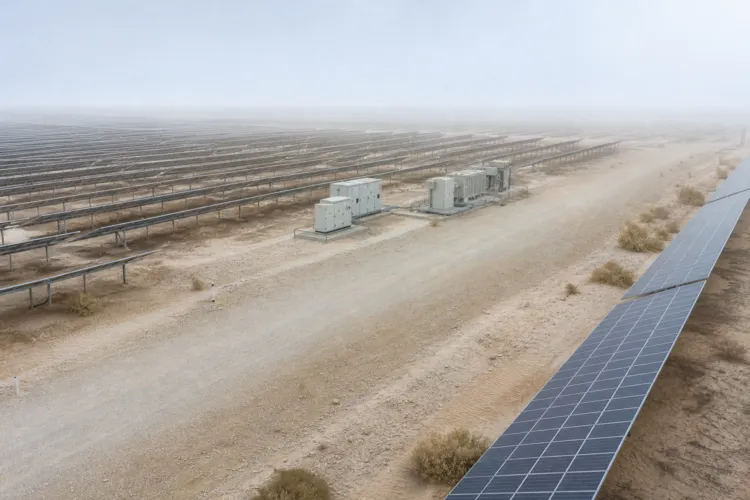
At the same time, Saudi Arabia is working to reduce its dependence on oil revenues. Through the Saudi Vision 2030 program, the country plans to invest $500 billion in renewable energy projects. This initiative aims to diversify the economy and strengthen long-term energy resilience. Renewable energy investments can also reduce exposure to oil price volatility while supporting sustainable economic growth.
Market instability also affects how energy companies operate. A survey conducted by the Saudi Arabian Chamber of Commerce found that 60% of businesses reported decreased operational efficiency in 2020 due to fluctuating energy prices and geopolitical risks. Companies often face difficulties planning budgets, managing supply chains, and maintaining stable production levels during volatile market conditions.
Operational costs have also increased. A report by McKinsey & Company found that energy companies experienced a 30% rise in operational costs between 2015 and 2020. These increases were linked to market volatility and regulatory adjustments across the sector. Higher costs can reduce profitability and force companies to rethink their investment strategies.
Read also: Circular Carbon Economy 2026 Fuels Direct Air Capture (DAC)
Overall, the Saudi Energy Business Impact of war and geopolitical tensions reflects both risk and resilience. Oil price increases can boost national revenues, but heavy reliance on energy markets also exposes the economy to volatility. At the same time, continued foreign investment and large-scale renewable energy projects show how Saudi Arabia is adapting its strategy to strengthen long-term energy stability.
Talk to us for your needs in:
-
Energy Efficiency Strategy & Feasibility
-
Renewable Energy Strategy & Investment Advisory
-
Digital Energy & Smart Grid Strategy
-
Market Entry Strategy
-
Sustainability & Impact Strategy
-
Energy Project Governance & PMO Advisory
-
Energy Market Research
-
Energy Stakeholder & Customer Research
-
Energy Market Intelligence
-
Energy Feasibility & Investment Assessment
-
Energy Sector Benchmarking & Performance Strategy