ACWA Power, now trading as “Acwa” since January 2026, is central to the story of acwa power renewable projects saudi arabia. The company develops, invests in, co-owns, and operates power and desalinated water production plants. Wikipedia describes a portfolio in operation and development with an investment value of USD 107.5 billion and a power capacity of 78.85 GW, plus 9.5 million m3/day of desalinated water production. The energy portfolio spans thermal, solar (PV and CSP), wind, desalination, and green hydrogen.
Saudi Arabia’s clean-energy buildout is framed by Vision 2030 and the National Renewable Energy Program (NREP). A UNDP blog says the Kingdom has connected over 10.2 GW of renewable capacity and has over 33 GW in different stages of the development pipeline. The same source says it aims for 50% renewable electricity by 2030. In this context, one analysis source calls ACWA Power the principal execution partner for NREP and says it is developing the majority of the Kingdom’s large-scale solar and wind projects.
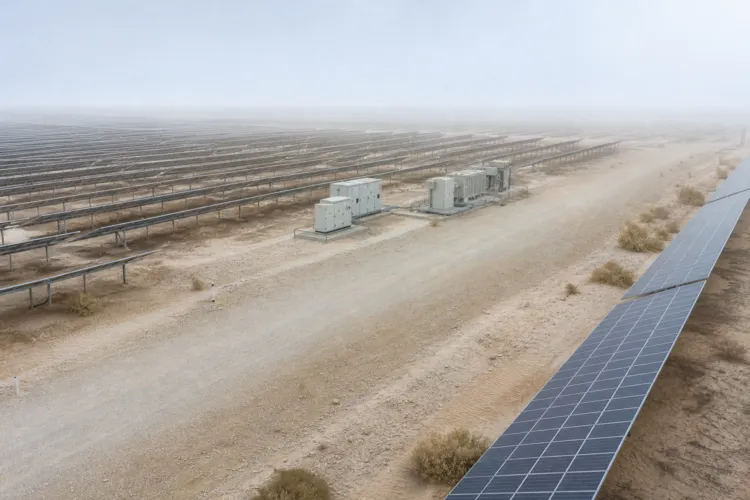
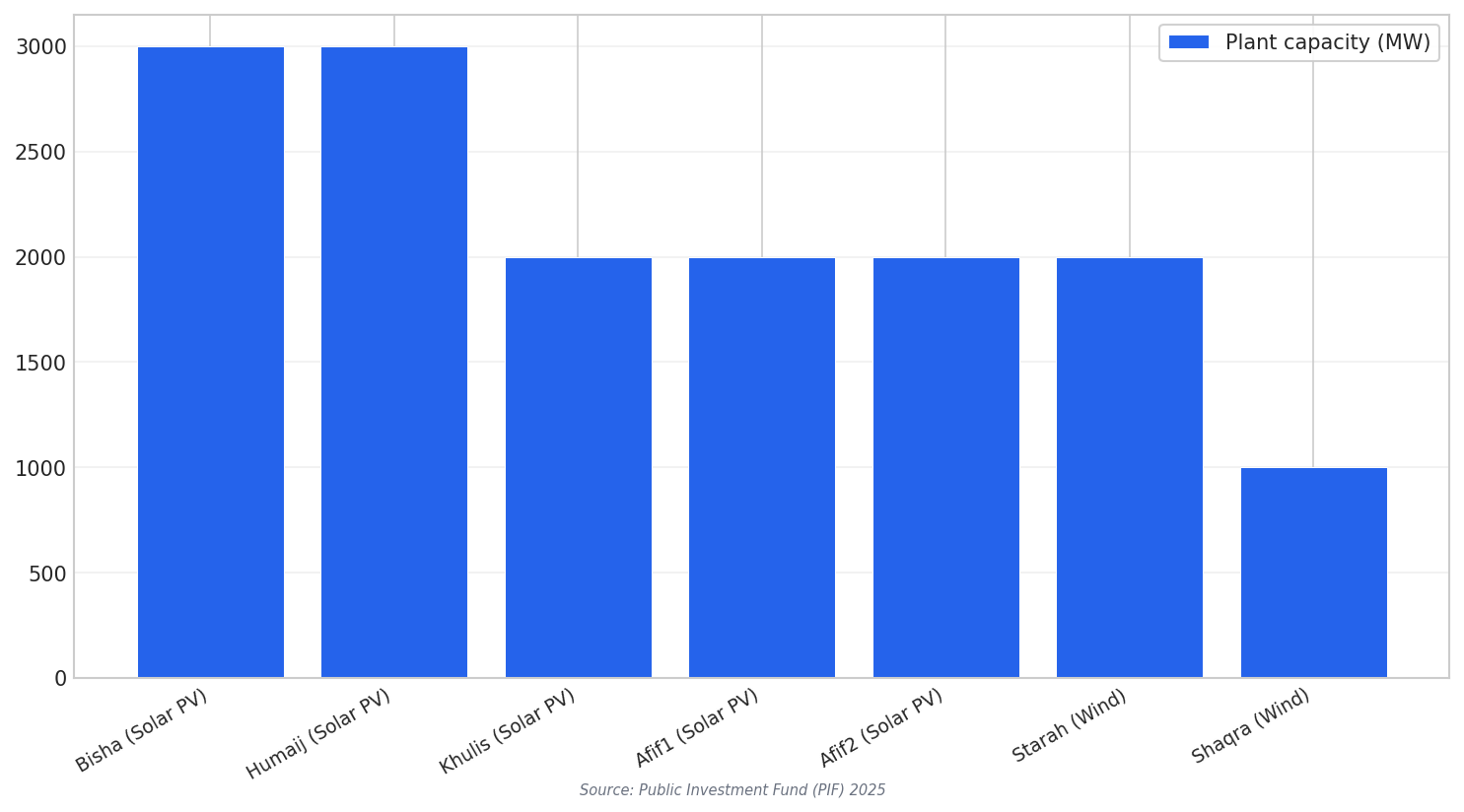
A major near-term milestone is a seven-project package announced by PIF in July 2025. The statement says ACWA Power, Badeel, and SAPCO plan to invest approximately $8.3 billion to develop 15,000 MW of renewable projects: 12,000 MW solar PV and 3,000 MW wind. It also lists each plant and its capacity: Bisha 3,000 MW, Humaij 3,000 MW, Khulis 2,000 MW, Afif1 2,000 MW, Afif2 2,000 MW, Starah wind 2,000 MW, and Shaqra wind 1,000 MW. The same release says these projects are expected to add capacity to the grid in the second half of 2027 and first half of 2028.
What The 2030 Pipeline Signals: Scale, Storage, And Hydrogen
Across the broader portfolio, Renewable Matter reports 109 projects totaling 94 GW of installed capacity, with 52 GW from renewable sources, and it reports a turnover of $1.6 billion in 2024. It also highlights a future-facing project: the Yanbu Green Hydrogen Hub, developed with EnBW, described as an integrated plant with renewable energy production, desalination, electrolysis, and an export terminal, expected to become commercially operational by 2030. The same article adds an environmental pledge under the Saudi Green Initiative: ACWA committed to planting one million trees by 2030.
Another key hydrogen anchor is the NEOM Green Hydrogen Company. One source calls it a joint venture with NEOM and Air Products and describes an $8.4 billion facility that will use 4 GW of renewable energy to produce 600 tonnes of green hydrogen daily through electrolysis. This adds another layer to ACWA’s Saudi pipeline beyond power plants alone, linking renewables to export-oriented industrial output.
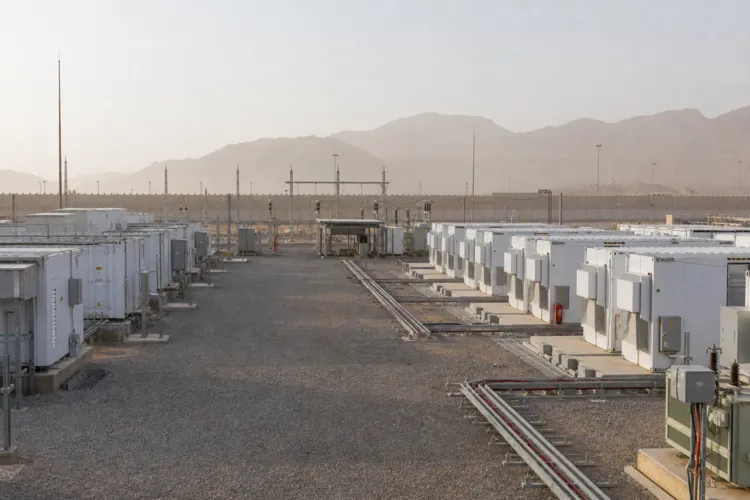
Grid readiness matters as renewable capacity rises. UNDP notes Saudi Arabia has already operated four battery energy storage system (BESS) projects totaling 2 GW / 8 GWh. It also says the country is developing a pipeline of 5.5 GW / 22 GWh of additional BESS projects, and it states a national target of reaching 48 GWh of storage capacity by 2030. While ACWA’s BESS role is not detailed in the provided sources, this storage buildout shapes how fast new solar and wind can be absorbed.
What does acwa power renewable projects saudi arabia include in the 2025 PIF announcement?
Which specific projects make up the 15,000 MW package and where are they located?
When are the seven new renewable plants expected to add power to the grid?
What do the sources say about ACWA Power’s green hydrogen pipeline toward 2030?
Talk to us for your needs in:
-
Energy Efficiency Strategy & Feasibility
-
Renewable Energy Strategy & Investment Advisory
-
Digital Energy & Smart Grid Strategy
-
Market Entry Strategy
-
Sustainability & Impact Strategy
-
Energy Project Governance & PMO Advisory
-
Energy Market Research
-
Energy Stakeholder & Customer Research
-
Energy Market Intelligence
-
Energy Feasibility & Investment Assessment
-
Energy Sector Benchmarking & Performance Strategy