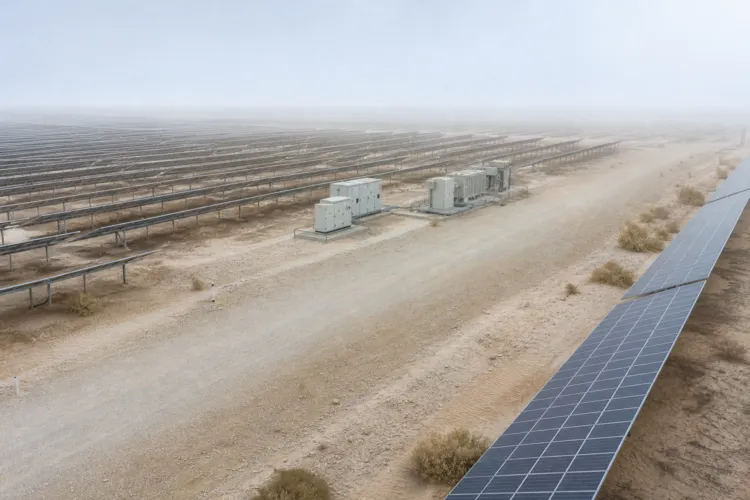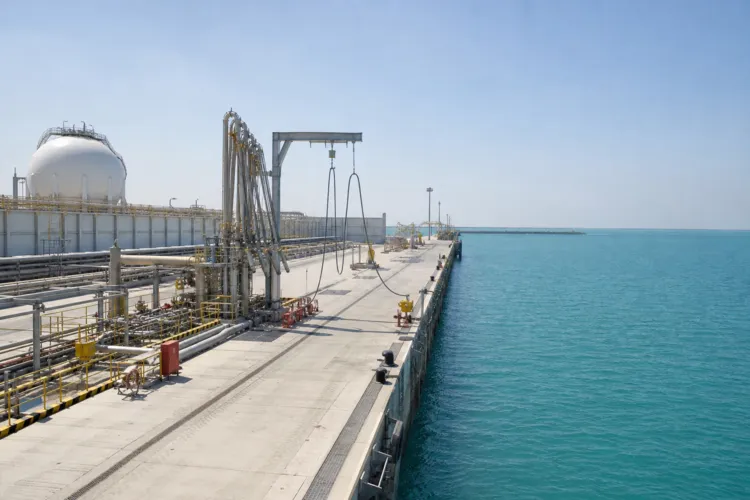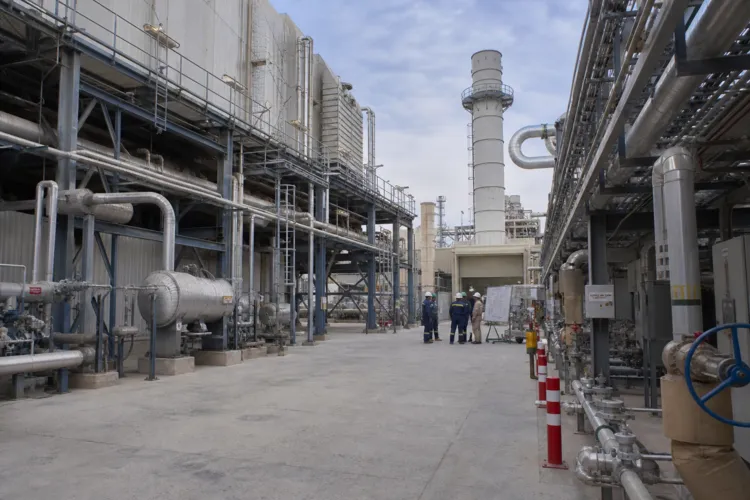
The saudi china energy partnership 2026 is not only about oil. It is also about building new energy assets fast. Saudi Arabia moved from having no large-scale renewables to building utility-scale projects, including the Dumat Al Jandal wind farm completed in 2023. Now the focus is on scaling, supply, and delivery.
Saudi momentum in 2026 is clear in procurement and pipelines. The Saudi Power Procurement Company plans to award about 14 gigawatts of new renewable capacity in 2026 through the National Renewable Energy Program (NREP) Round 7 tenders. By the end of 2025, Saudi Arabia had tendered a cumulative 64 gigawatts, with 20.6 gigawatts tendered in 2025 alone. Grid-connected renewable capacity has reached 12.3 gigawatts.
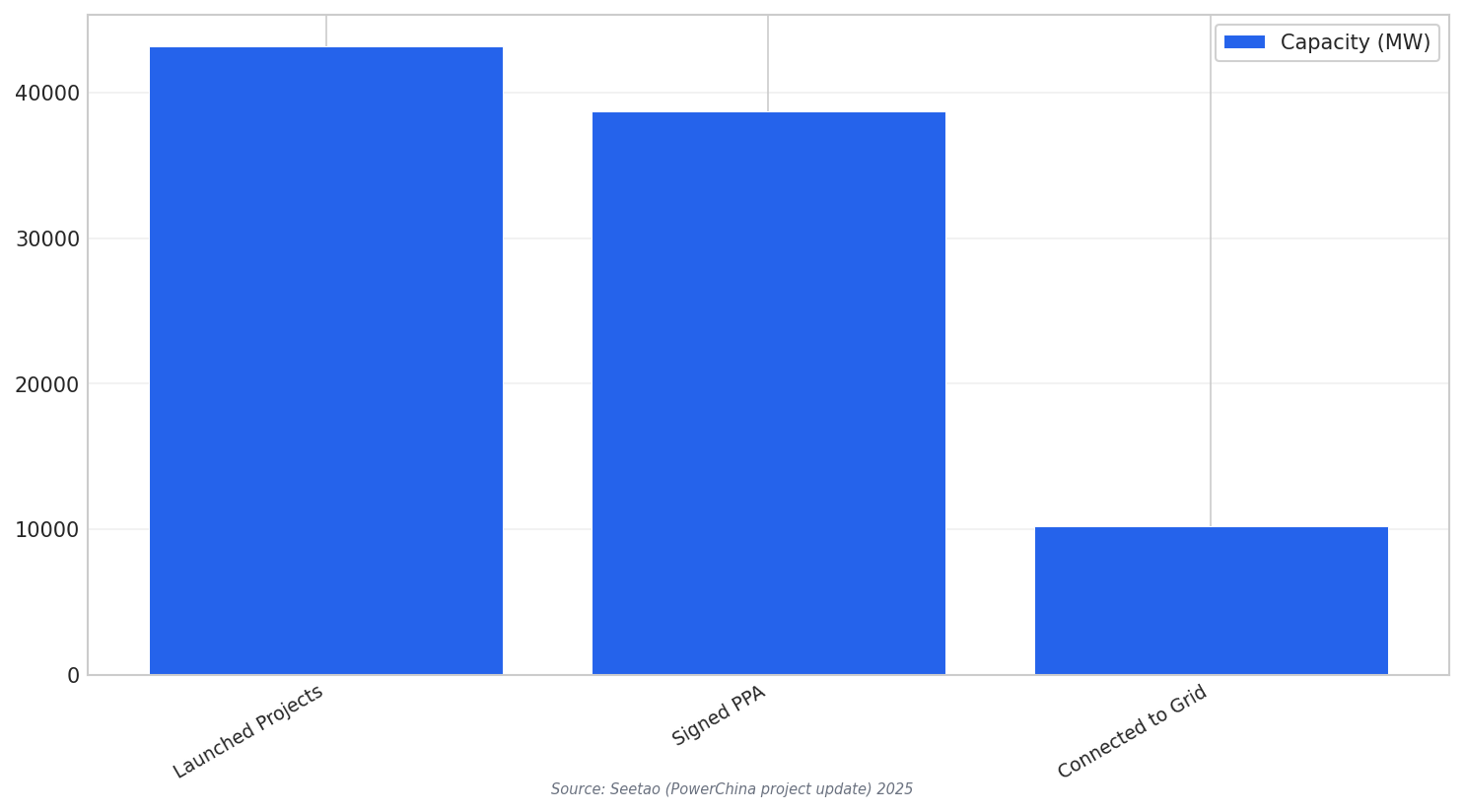
Saudi renewables numbers also show where delivery pressure sits. One source says NREP projects launched total 43,213 MW, with 38,713 MW signed under PPA agreements, and 10,213 MW connected. It also expects grid-connected capacity to rise to 12,713 MW by end-2025 and 20,013 MW by end-2026. These figures show how much work is still needed to turn tenders into operating assets.
China-linked project execution is part of this story. Two Chinese state-owned energy enterprises signed cooperation agreements on PV and wind projects with Saudi companies, with a total contract value exceeding RMB30 billion (US$4.2 billion). Another report describes seven agreements for solar and wind projects totaling 15,000 MW, with total investment of about US$8.3 billion. It also mentions the Al Masa’a and Al Henakiyah 2 PV projects, totaling 1.75 GW (1.25 GW and 500 MW).
Solar Manufacturing And Hydrogen: Supply Chains Meet Mega-Projects
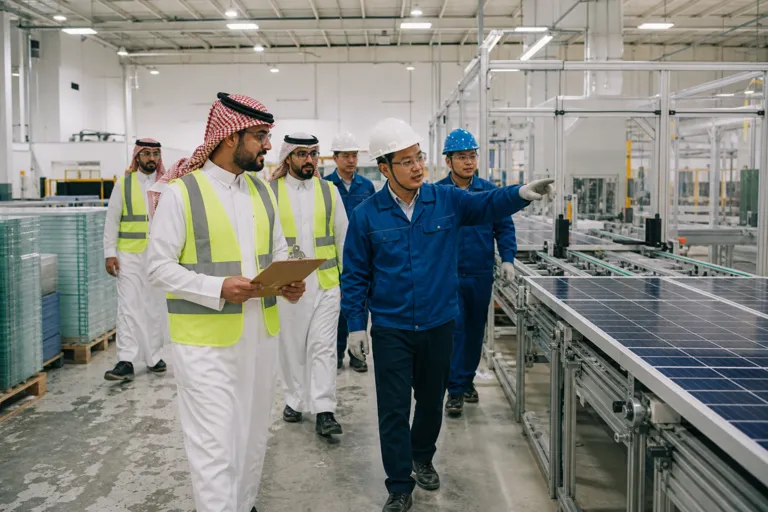
Solar manufacturing and module supply also matter in 2026. A joint venture agreement between Saudi Arabia’s Public Investment Fund and Longi Solar established Longi as the Fund’s favored module supplier for mega-scale solar PV projects. This supports a practical goal: stable supply for very large buildouts, where delays in components can slow commissioning.
Hydrogen is another area where Saudi ambitions and China-Gulf cooperation narratives overlap. Chinese coverage says cooperation has extended into renewable energy including solar, wind, and green hydrogen. On the Saudi side, NEOM’s Oxagon zone hosts a green hydrogen plant joint venture between NEOM, Air Products, and ACWA Power that is 80% complete. At the same time, Gulf producers are increasingly keen to promote hydrogen energy, even as timelines to cost-competitive green hydrogen may span years.
These deals sit inside a wider alignment of national strategies. Chinadaily describes how Saudi Vision 2030 and China’s Belt and Road Initiative were formalized in 2016 and stayed on the agenda in later leader visits. In 2026, this alignment shows up in EPC consortia models and Belt-and-road language attached to renewable projects. The result is a partnership focused on delivering real assets: solar and wind capacity, supply commitments, and large infrastructure-style contracts.
What is driving the saudi china energy partnership 2026 in renewables?
What solar manufacturing link is mentioned between Saudi Arabia and China?
What are the key NREP capacity figures shown in the chart?
How advanced is the NEOM green hydrogen plant mentioned in the sources?
Talk to us for your needs in:
-
Energy Efficiency Strategy & Feasibility
-
Renewable Energy Strategy & Investment Advisory
-
Digital Energy & Smart Grid Strategy
-
Market Entry Strategy
-
Sustainability & Impact Strategy
-
Energy Project Governance & PMO Advisory
-
Energy Market Research
-
Energy Stakeholder & Customer Research
-
Energy Market Intelligence
-
Energy Feasibility & Investment Assessment
-
Energy Sector Benchmarking & Performance Strategy