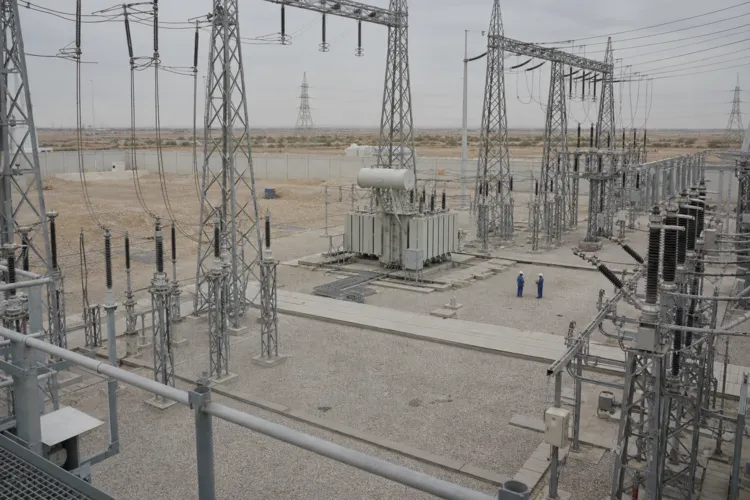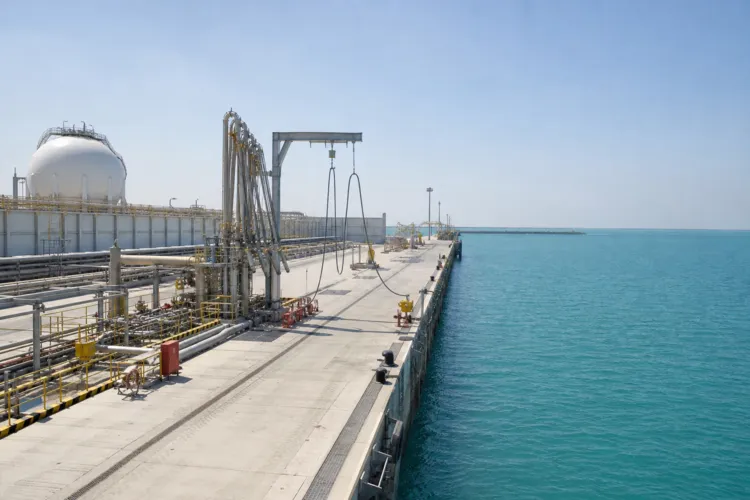
Saudi Arabia is putting real building blocks in place for a future export economy centered on green molecules. A key signal is Yanbu, described as a Red Sea port city, where Acwa has begun the first steps toward securing RFNBO certification for a 4GW green hydrogen and ammonia project. The same report notes that, if fully certified, output from the Yanbu facility could be used to meet strict EU quotas. That matters because export hubs need more than production. They need proof of compliance, plus predictable logistics. The keyword conversation around a “yanbu jubail green ammonia export hub” starts here: certification readiness and port access in one place.
Export hubs also depend on distribution capacity beyond the quay. In one example of how global ammonia logistics can scale, Yara is described as the world’s largest trader and shipper of ammonia, transporting over four million metric tonnes annually, supported by 12 ammonia vessels and 18 import terminals. In the same source, the NEOM Green Hydrogen Project is said to be more than 90 percent complete and expected to start commercial production in 2027, with Air Products as the sole offtaker of up to 1.2 million tonnes per year of renewable ammonia. For ports like Yanbu and Jubail, these figures show what “export-ready” looks like: long-haul shipping capacity, terminal access, and offtake structures that can move molecules into end markets.
Why Ports Become the Logistics Backbone
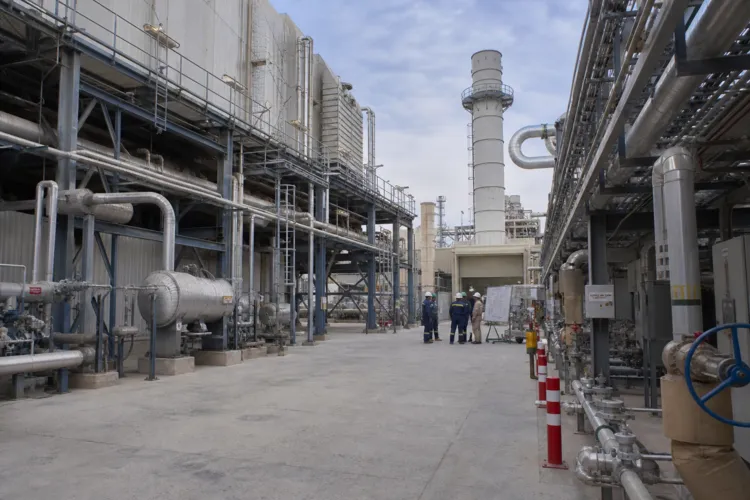
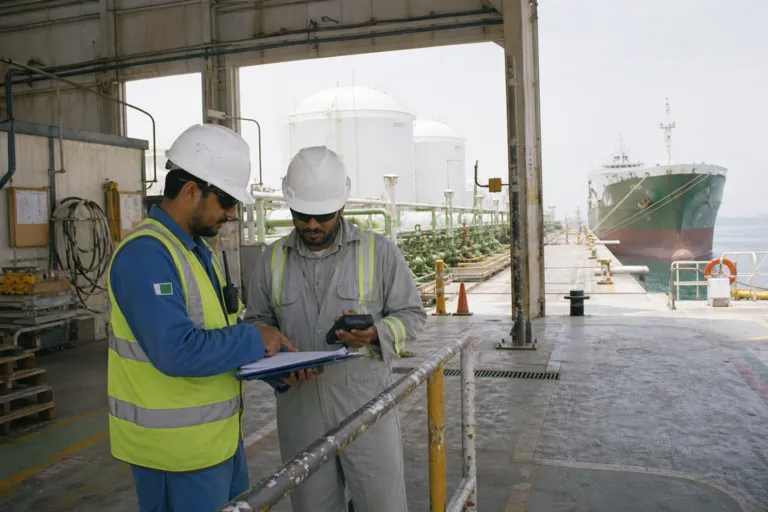
Green ammonia is frequently positioned as a practical decarbonisation lever because it can plug into existing industrial value chains. One analysis highlights that shipping, fertilisers, petrochemicals and long-distance logistics still rely on energy-dense molecules that electricity alone cannot replace. It also states that fertiliser production accounts for nearly two percent of total carbon emissions, making low-carbon ammonia a critical lever for industrial decarbonisation. The same piece stresses that ammonia’s toxicity requires robust safety and handling frameworks, while noting that existing fertiliser and chemical industries already have decades of experience managing these risks at scale. This is exactly where major ports earn their “backbone” role: they concentrate handling standards, storage discipline, and repeatable operating processes.
Yanbu’s potential role is reinforced by the explicit policy angle. RFNBO pre-certification steps for the 4GW project are tied to the ability to satisfy strict EU quotas, which is a trade-enabling feature, not just a technical badge. In parallel, maritime decarbonisation is accelerating its own last-mile requirements. A separate shipping report quotes NYK group as operating a fleet of more than 900 vessels and frames ammonia as expected to play an important role in the future marine fuel mix, while emphasizing safe infrastructure to scale ammonia-fueled vessels. Together, these details show how an export hub is shaped by two demands at once: regulatory acceptance on the buyer side and operational safety on the shipping side.
Jubail fits the same export-and-logistics logic even when the sources focus more heavily on the broader regional investment context than on port-specific project counts. Strategy& analysis referenced in one source cites more than $1 trillion in global green FDI between 2020 and 2024 and adds that, since 2020, more than half of all large-scale global FDI was destined for green sectors. Yet it also says Saudi Arabia, the UAE, and Oman together received about 2% of global green FDI, with only $24 billion destined to the trio, while they invested around $132 billion in green projects abroad. For a “yanbu jubail green ammonia export hub” narrative, the implication is straightforward: ports and logistics can be the visible, bankable anchor that helps attract more inbound green capital into scalable export infrastructure.
Put together, Yanbu and Jubail can be framed as complementary pieces of a national logistics backbone: port access, scalable handling, and export credibility. Yanbu already appears in reporting as the location for Acwa’s 4GW green hydrogen and ammonia project pursuing RFNBO certification steps aimed at EU-market usability. Meanwhile, global shipping and distribution models show how supply chains can be extended across vessels and import terminals, and how offtake structures like “up to 1.2 million tonnes per year” can underpin predictable flows. The near-term opportunity is to align certification, safety frameworks, and distribution partnerships so the ports are not just endpoints, but the connective tissue of a durable export economy.
What does “yanbu jubail green ammonia export hub” mean in practical terms?
What concrete green ammonia project signal is associated with Yanbu?
Why does RFNBO certification matter for exports to Europe?
What logistics capacity example shows how ammonia can be distributed worldwide?
Why is low-carbon ammonia often linked to hard-to-abate sectors?
Talk to us for your needs in:
-
Energy Efficiency Strategy & Feasibility
-
Renewable Energy Strategy & Investment Advisory
-
Digital Energy & Smart Grid Strategy
-
Market Entry Strategy
-
Sustainability & Impact Strategy
-
Energy Project Governance & PMO Advisory
-
Energy Market Research
-
Energy Stakeholder & Customer Research
-
Energy Market Intelligence
-
Energy Feasibility & Investment Assessment
-
Energy Sector Benchmarking & Performance Strategy