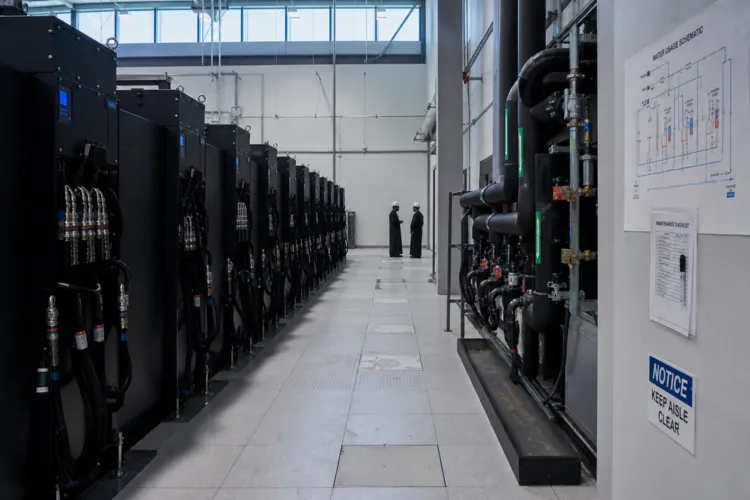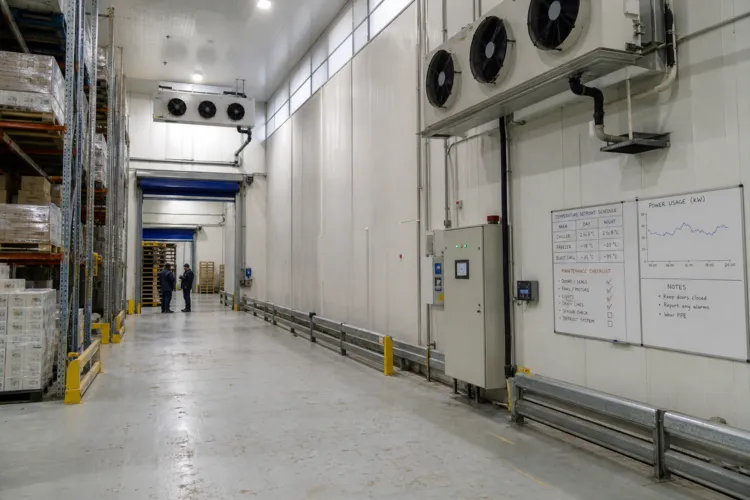
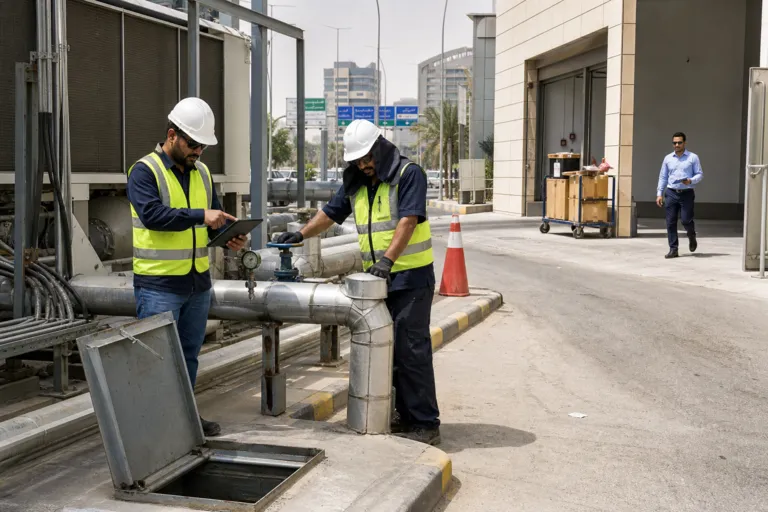
District cooling is not flashy. But it can change how cities like Riyadh and Jeddah plan cooling, power, and water. This matters because cooling demand can drive bigger power needs. One Middle East analysis says that, by 2030, a properly employed district cooling system could provide around 30% of the Gulf Cooperation Council’s forecast cooling requirements. It also says this could negate the need to build 20GW in new power generation capacity and save 200,000 barrels of oil equivalent per day in fuel. This is why district cooling Saudi Arabia is becoming a practical conversation, not just a technical one.
Riyadh and Jeddah do not have the same climate profile. A building-focused study notes that Jeddah’s humid climate requires slightly thinner insulation than Riyadh’s due to its lower temperature fluctuations. That single point is important. It means cooling strategies should be tuned to each city. District cooling can support that tuning, but the buildings connected to the network also matter. When buildings waste less cooling, the central plant can be sized and operated more efficiently.
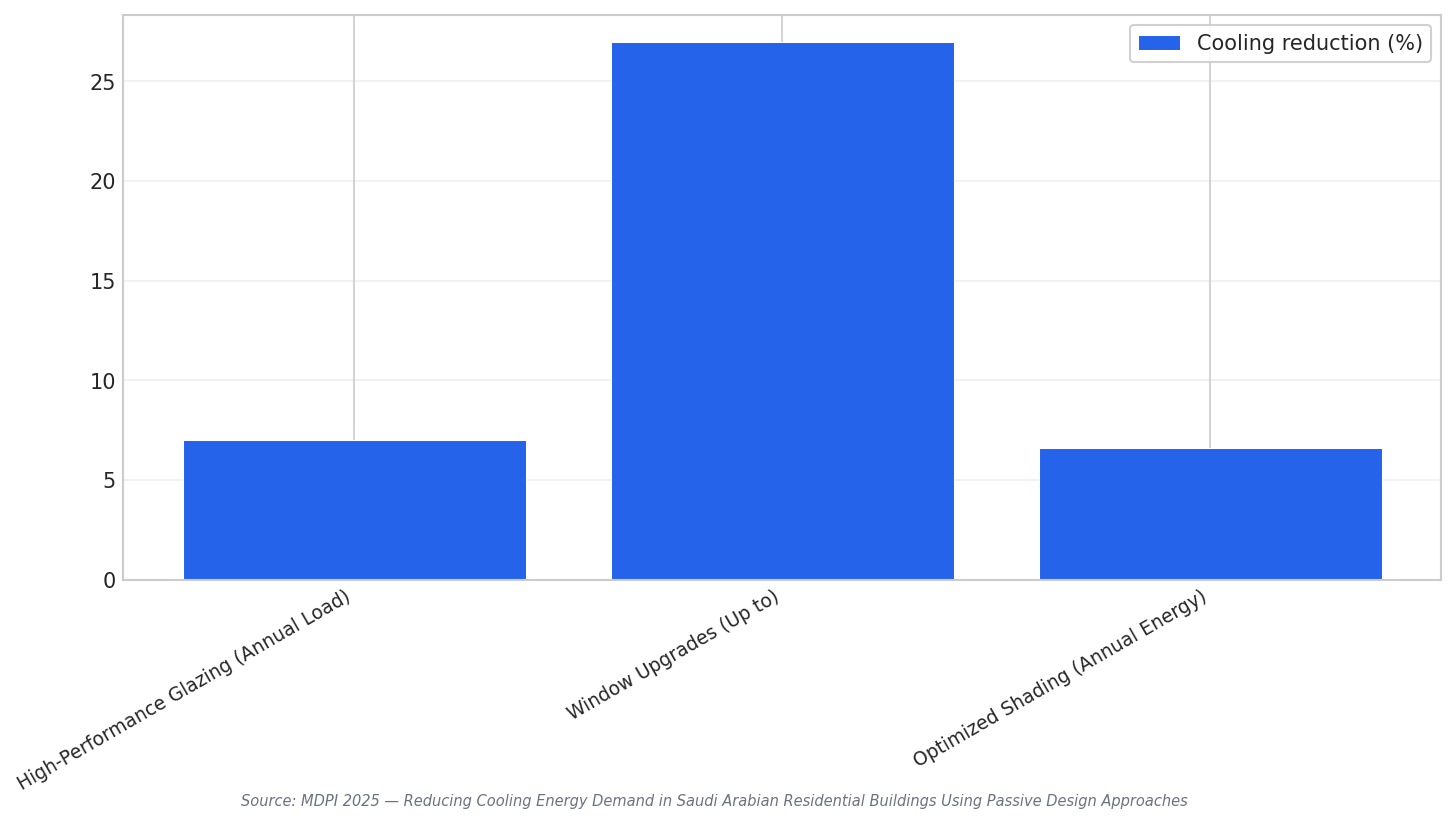
Across the sources, envelope upgrades show measurable cooling cuts. Switching from single clear glass to high-performance glazing can reduce annual cooling loads by 5–7% and cut peak cooling demand by up to 40%. A comparative analysis between Riyadh and Jeddah found window upgrades offered the highest individual savings among envelope improvements, up to 27%. Shading also matters. Optimized shading was shown to reduce annual cooling energy use by about 6.6% in Saudi Arabia’s desert climate, and a simulation study in Jeddah reported a 21–37% reduction in cooling demand when shading was combined with other passive measures.
Why District Cooling Feels “Quiet” but Hits the Grid
The “quiet” value of district cooling is that it shifts work away from many scattered systems into a planned utility-style setup. It can also support different technology paths. In Riyadh, one case study on solar district cooling reports that a configuration based on 2sABS and PTCs had higher performance under Riyadh climate conditions, and the overall cost was 30% lower than a single-stage absorption chiller plant. This kind of system-level change is where large savings can hide, because it affects design choices, operations, and long-term cost.
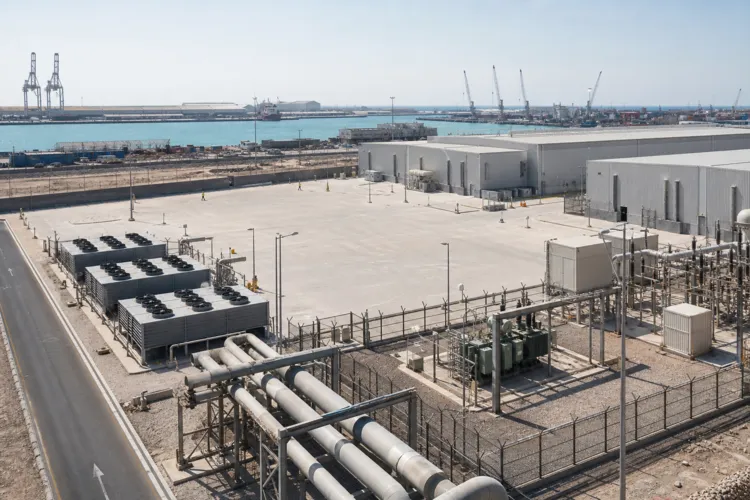
Water is another hidden constraint. A district cooling case study for a major tourism development explains that district cooling systems usually rely on cooling towers that use water as the coolant fluid. But the project used a water-free approach that rejects heat to ambient air and uses only refrigerant and no water. The same case study says it saves energy because a water pump is not required. For large developments, removing water pumping can be a simple but meaningful efficiency lever.
Scale is also part of the story. The same project used a combined total of 132 dry coolers, and each cooler had 18 fans. This is not a small add-on. It is infrastructure. For Riyadh and Jeddah, the lesson is clear: district cooling needs planning, but it can be paired with building steps that cut demand. Green roofs in Riyadh, for example, cut air-conditioning energy use by 12–33% depending on irrigation levels and plant cover. Put together, better buildings and better networks can reduce stress on power systems and support long-term city growth.
What does district cooling Saudi Arabia mean in simple terms?
What is the “30%” idea linked to district cooling?
Which building upgrade shows the biggest single savings in Riyadh and Jeddah comparisons?
How can district cooling reduce peak demand pressures?
Talk to us for your needs in:
-
Energy Efficiency Strategy & Feasibility
-
Renewable Energy Strategy & Investment Advisory
-
Digital Energy & Smart Grid Strategy
-
Market Entry Strategy
-
Sustainability & Impact Strategy
-
Energy Project Governance & PMO Advisory
-
Energy Market Research
-
Energy Stakeholder & Customer Research
-
Energy Market Intelligence
-
Energy Feasibility & Investment Assessment
-
Energy Sector Benchmarking & Performance Strategy