Geothermal energy saudi arabia is gaining attention because it can deliver steady heat and power without depending on sunlight or wind. Several sources point to the same hotspot: the western side of the Kingdom along the Red Sea Rift. Here, tectonic activity has created conditions that can support geothermal development. The region has many hot springs and volcanic formations, which are visible signs of strong underground heat resources.
Many of the best-known prospects sit on the Red Sea coast and in the southwest. Locations often highlighted include Jizan, Al-Lith, and NEOM. Jizan is described as having exceptionally high temperature gradients, which makes it especially interesting for geothermal power generation. In the Al-Lith area, research points to multiple hot springs and to tectonic processes linked to the evolution of the Red Sea Rift.
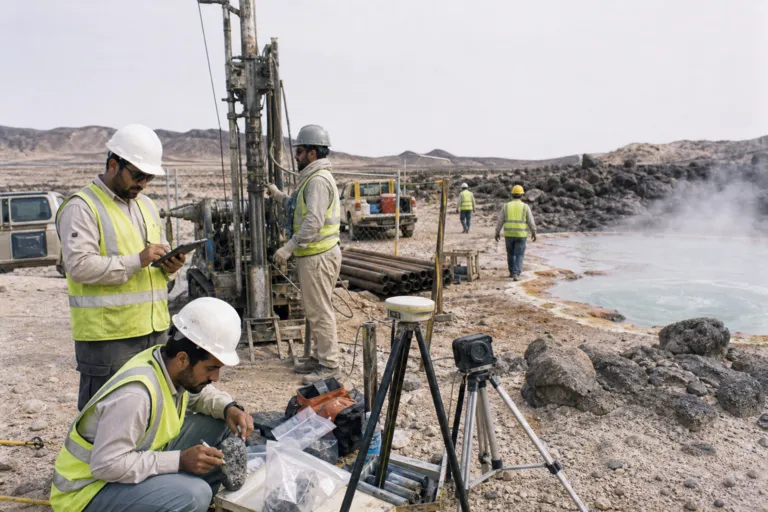
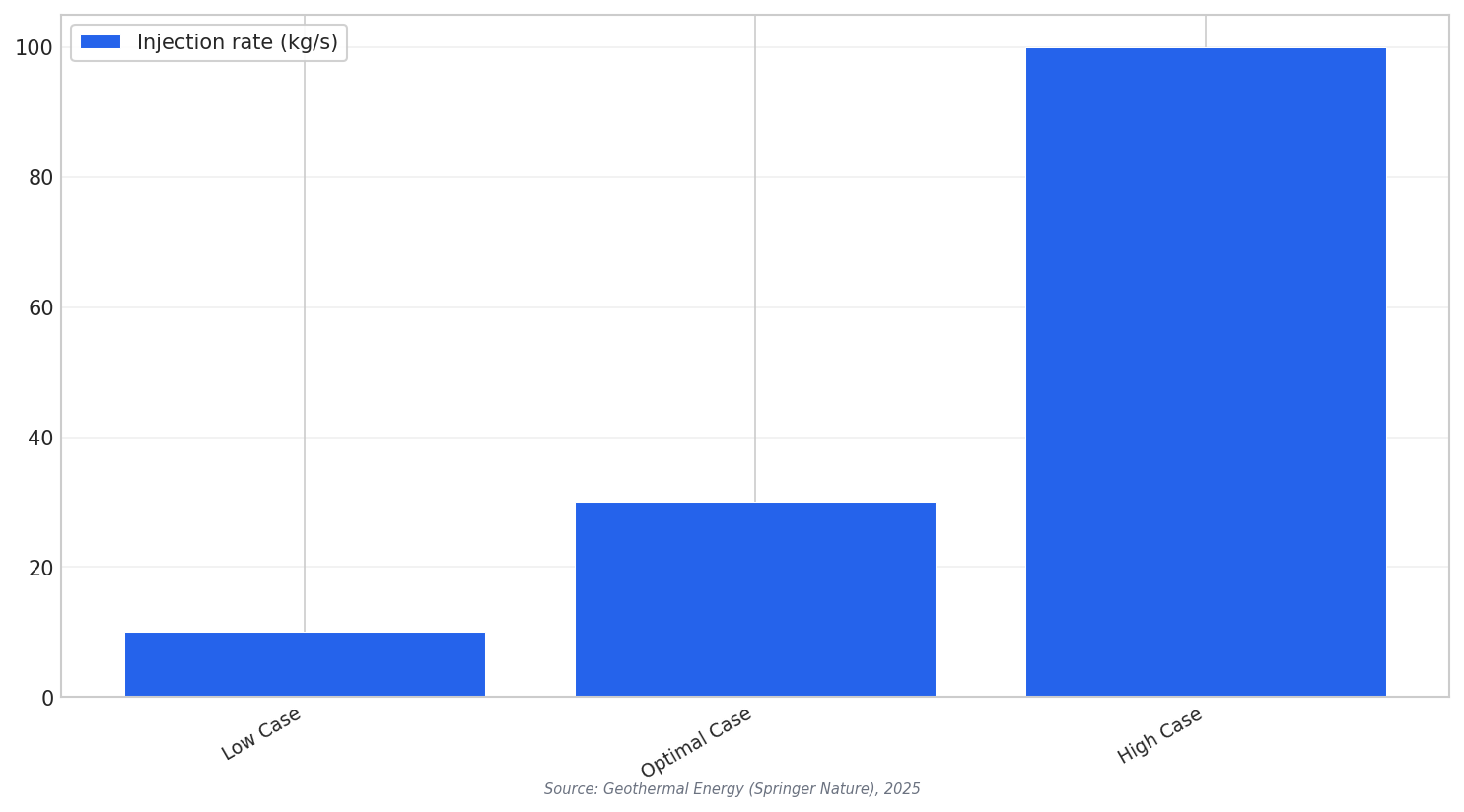
Concrete figures already appear in the research and early planning. A KAUST and TAQA Geothermal pilot spud a 400-meter test well in early 2024. Other studies note that electricity-focused geothermal drilling can require at least 500–1000 metres. A separate Red Sea rift basin modeling study tested injection rates from 10 to 100 kg/s and injection temperatures from 25 to 45 °C, with 30 kg/s identified as an optimal injection rate in that setup.
Why the Red Sea Rift Matters for Practical Uses
KAUST has been investigating geothermal potential along the Red Sea, targeting syn-rift sedimentary basins. The focus includes low-to-medium geothermal energy extraction and practical uses such as heating, cooling, water desalination, and power generation. This matters for Saudi Arabia because cooling and desalination demand is high, especially in summer. Geothermal also provides weather- and sunlight-independent baseload energy, which can support a stable energy system.
Site evidence strengthens the case for direct use and, in some places, future power generation. In Wadi Al Lith, the Ain Al Harrah hot spring has a surface temperature that exceeds 80 °C, and it is described as the most promising area for geothermal energy production in that case study. The same study links these resources to tectonic activity during the opening of the Red Sea and the Gulf of Suez rift, and also mentions volcanic rocks and ridges as part of the story.
Even with strong signs, the sector is still early compared with other renewable technologies in the Kingdom. Professionals say faster approvals for research and drilling are needed, and that geothermal can face red tape as projects move from studies to field work. In February, EDF signed a memorandum of understanding with Taqa Geothermal Energy Company to advance development. Looking ahead, Arab News reports a preliminary assessment suggesting Saudi Arabia could add 1 GW of geothermal installed capacity by 2035, supporting the aim to draw 50 percent of electricity from renewables by 2030.
Where is geothermal energy potential highest in Saudi Arabia?
What makes geothermal energy saudi arabia attractive compared with solar or wind?
What real projects are already happening on the ground?
Which Red Sea Rift location is linked to very hot springs in the sources?
What is slowing down geothermal progress in Saudi Arabia?
Talk to us for your needs in:
-
Energy Efficiency Strategy & Feasibility
-
Renewable Energy Strategy & Investment Advisory
-
Digital Energy & Smart Grid Strategy
-
Market Entry Strategy
-
Sustainability & Impact Strategy
-
Energy Project Governance & PMO Advisory
-
Energy Market Research
-
Energy Stakeholder & Customer Research
-
Energy Market Intelligence
-
Energy Feasibility & Investment Assessment
-
Energy Sector Benchmarking & Performance Strategy