Saudi Arabia is moving from planning to execution in clean fuels. The focus is now on first export flows linked to the NEOM Green Hydrogen Project. For buyers, the key question is simple. Who will take the product, what form will it ship in, and what do the contracts mean for pricing power in Europe and Asia?
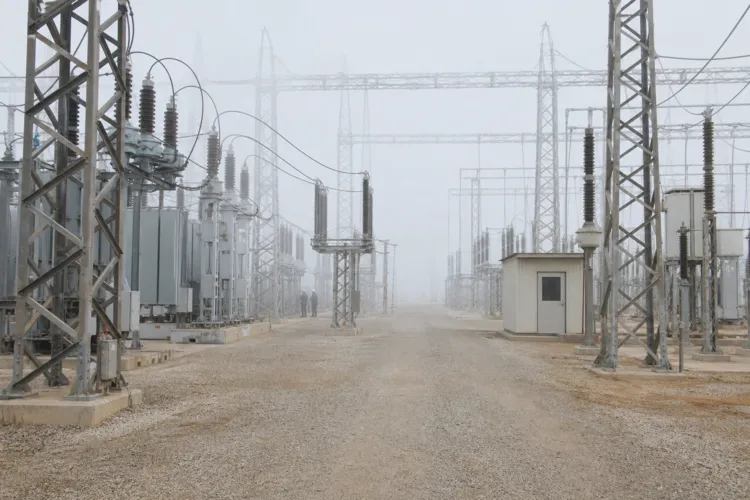
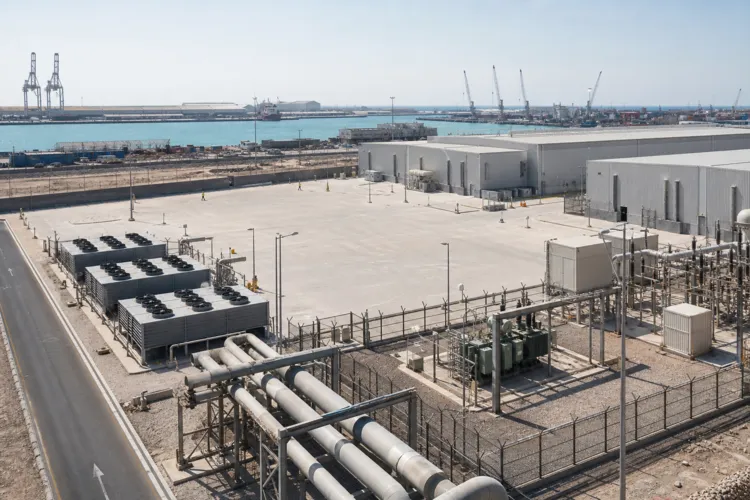
NEOM is designed for export from the start. Arab News reports the project is built around long-term export agreements. It is powered by 4 GW of integrated solar and wind energy. Because green hydrogen is hard to ship as a gas, the output is converted into green ammonia for export to global markets.
The scale is large, even before the first cargoes leave. One NEOM project guide says the facility will produce 650 tonnes of carbon-free hydrogen daily, with an annual capacity of 237,250 tonnes. The same guide links this to 1.2 million tonnes of ammonia annually and targets commercial operations in 2026. Arab News adds that the project could prevent up to 5 million tonnes of CO₂ every year once it reaches full operations.
Markets, Contract Pricing, and Who Actually Buys the First Volumes
Europe and Asia sit at the center of early demand signals in the sources. A green hydrogen market trends report describes Saudi Arabia as export-driven. It also says demand is concentrated among industrial users and international buyers, particularly in Europe and Asia. It calls the market B2B and contract-driven, with long-term offtake agreements dominating purchasing behavior.
That structure matters for pricing. With minimal direct consumer participation and multi-year deals, early pricing is shaped less by a spot market and more by contract terms. Arab News underlines this point. It says the project is anchored in long-term contractual arrangements rather than spot market exposure, and that this supports bankability and investment at scale.
The first and most important offtaker is already clear. Arab News states that NGHC’s green hydrogen output is fully committed under an exclusive 30-year offtake agreement with Air Products. Air Products will take 100 percent of production and export it to global markets as green ammonia. Inside Saudi also describes an exclusive 30-year offtake agreement with Air Products, aimed at export markets, mainly in Europe.
Beyond NEOM, more export capacity is being discussed. Inside Saudi says ACWA Power plans a second green hydrogen hub in Yanbu that would be twice the size of NGHC and operational by 2030. For investors and buyers, this suggests Saudi Arabia is trying to build a repeatable export model where logistics, contracts, and infrastructure move together.
Who is the main offtaker for Saudi Arabia’s first green ammonia exports?
Why is Saudi green hydrogen exported as green ammonia?
Which regions are key early markets for green hydrogen export Saudi Arabia?
How does contract structure affect early pricing in Saudi Arabia’s green hydrogen exports?
Talk to us for your needs in:
-
Energy Efficiency Strategy & Feasibility
-
Renewable Energy Strategy & Investment Advisory
-
Digital Energy & Smart Grid Strategy
-
Market Entry Strategy
-
Sustainability & Impact Strategy
-
Energy Project Governance & PMO Advisory
-
Energy Market Research
-
Energy Stakeholder & Customer Research
-
Energy Market Intelligence
-
Energy Feasibility & Investment Assessment
-
Energy Sector Benchmarking & Performance Strategy