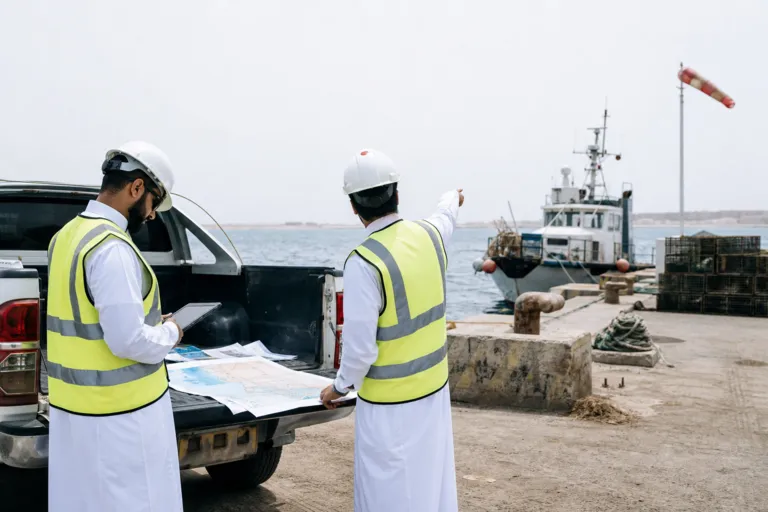
Offshore wind in Saudi Arabia is still new. Yet the Red Sea is starting to look like a serious next step for clean power. A research assessment published on ScienceDirect states that the Red Sea offers a competitive opportunity for offshore wind energy development. It also says this can support national transformation plans toward a more sustainable energy mix and help meet Saudi Arabia’s ambitious renewable energy goals. This matters because wind is still a very small part of the country’s power today.
Market signals are also moving fast. Saudi Energy Consulting reports the Saudi Offshore Wind Market reached USD 305.64 million in 2024. The same outlook projects it could reach USD 1.53 billion by 2033, with 17.5% CAGR from 2025 to 2033. At the same time, the Global Wind Energy Council estimate cited in that outlook puts Saudi Arabia’s offshore wind potential at 106 GW along the Red Sea and Arabian Gulf. These numbers suggest the coastline could become a new growth zone, not just a distant idea.
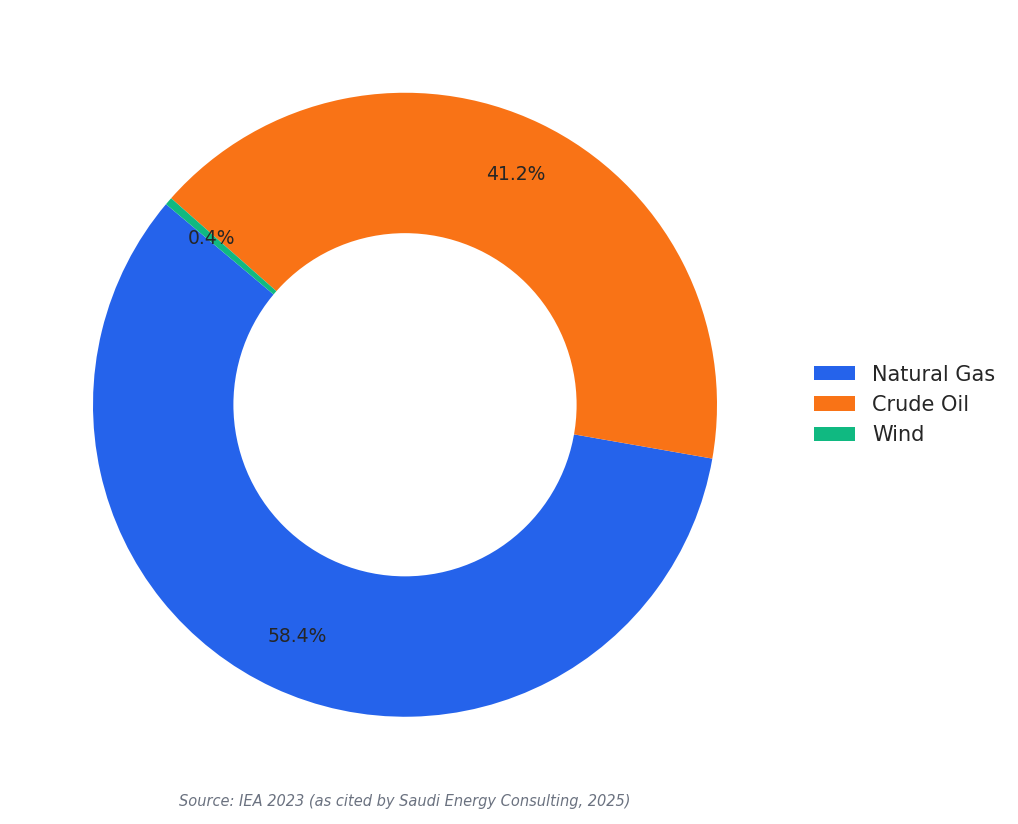
Saudi Arabia’s current electricity mix shows why offshore wind is getting attention. IEA data for 2023, as cited by Saudi Energy Consulting, says 58% of Saudi electricity comes from natural gas and 41% from crude oil. Wind makes up only 0.4%. This wide gap creates room for new projects, especially in coastal areas where feasibility studies and pilot projects are starting to map viable zones, with expected clustering around the Red Sea.
Why The Red Sea Is Showing Up in Policy, Pipelines, and Plans
Saudi targets create a strong push. Saudi Energy Consulting says the National Renewable Energy Program (NREP) aims for 50% renewable electricity generation by 2030 and explicitly includes offshore wind as a diversification pillar. The same source says Saudi Arabia aims to install 16 GW of total wind capacity by 2030 (onshore and offshore combined). Another project database from CARE adds a broader Vision 2030 ambition: generate 50% of electricity from renewable sources and expand capacity to 130 GW, including 40 GW from wind and 58.7 GW from solar.
Investment pipelines also point to offshore wind arriving later in the buildout, but still inside the decade. CARE describes a three-phase path: Phase I (2025–2026) includes 8 GW of utility-scale solar and wind capacity, Phase II (2027–2028) adds 12 GW via distributed systems and energy storage, and Phase III (2029–2030) includes a final 10 GW that lists offshore wind alongside floating solar and grid-scale hydrogen. This positions offshore wind as part of a wider Red Sea corridor focused on utility-scale solar, hybrid wind + solar + storage, and green-hydrogen value chains.
Building offshore wind is not only about turbines. Saudi Energy Consulting notes interest from international developers and turbine manufacturers, with expected partnerships bringing advanced turbine technology, floating platform expertise, and subsea cabling systems. On the system side, the same publisher reports Saudi Arabia is exploring seasonal pumped hydropower storage using desalinated water in elevated reservoirs to store excess energy. It cites a KAUST study that identified 10 potential sites for seasonal hydropower storage, with two Red Sea locations deemed most feasible, and says each site could cost around USD 10 billion.
Why is red sea offshore wind saudi arabia gaining attention now?
How big could Saudi Arabia’s offshore wind market become?
What is Saudi Arabia’s offshore wind resource potential along its coasts?
How does offshore wind fit into Saudi renewable targets?
Talk to us for your needs in:
-
Energy Efficiency Strategy & Feasibility
-
Renewable Energy Strategy & Investment Advisory
-
Digital Energy & Smart Grid Strategy
-
Market Entry Strategy
-
Sustainability & Impact Strategy
-
Energy Project Governance & PMO Advisory
-
Energy Market Research
-
Energy Stakeholder & Customer Research
-
Energy Market Intelligence
-
Energy Feasibility & Investment Assessment
-
Energy Sector Benchmarking & Performance Strategy