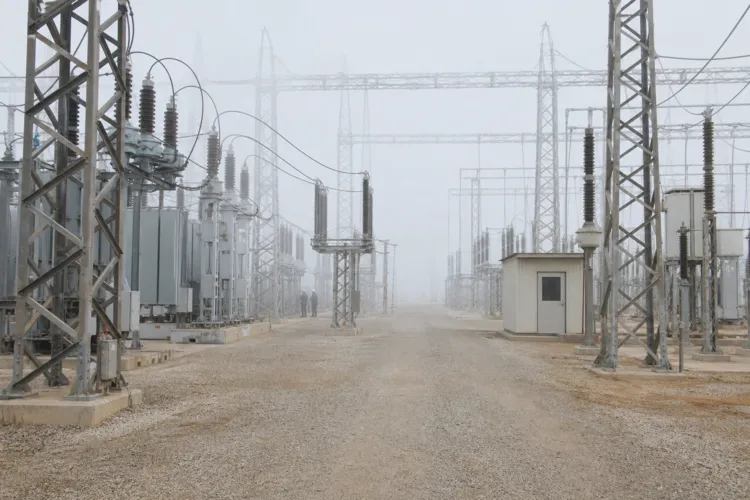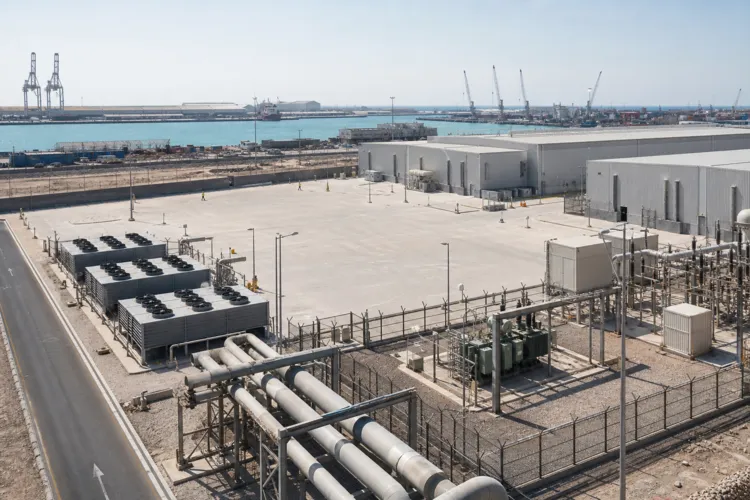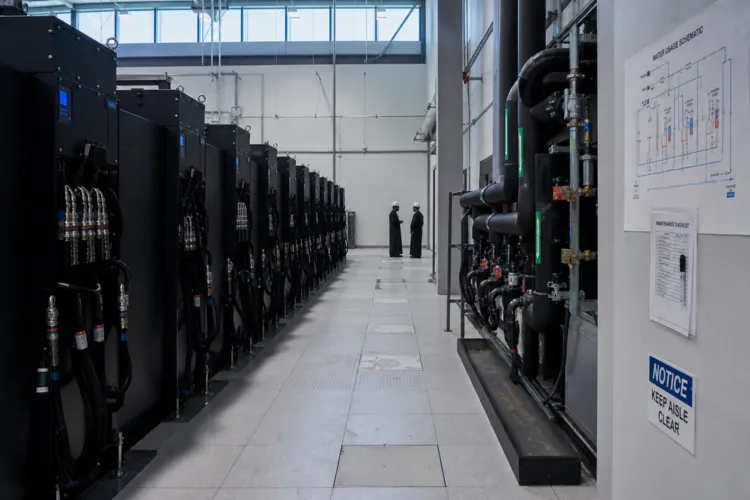
Cybersecurity saudi energy infrastructure is entering a tougher phase in 2026. Saudi Arabia’s Vision 2030 is accelerating digital transformation across critical sectors, including energy assets. But as more systems connect, the xIoT attack surface grows. That includes IoT and OT devices such as PLCs and power distribution units that bring firmware, credentials, and device configurations that must be secured.
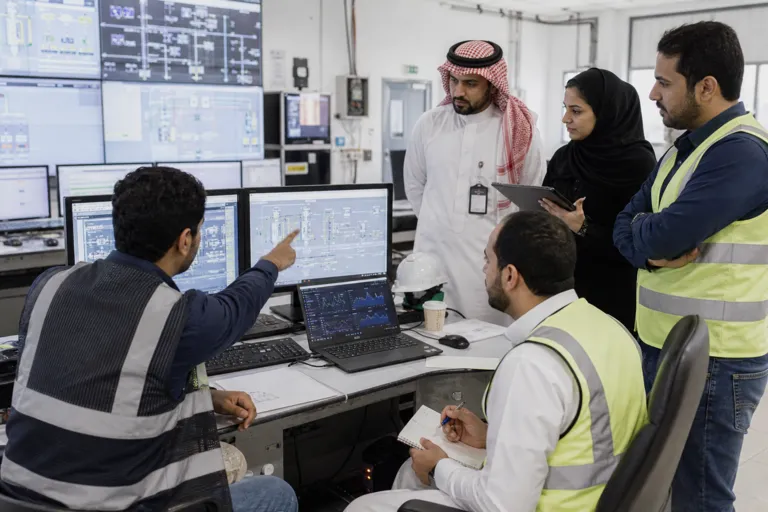
A key driver is OT/IT convergence. In the past, oil and gas machines (OT) were cut off from office networks (IT) through “air-gapping.” That separation is fading as companies link industrial systems to corporate networks to improve productivity. This creates new paths where an attacker could enter through an office email account and then impact industrial operations, including pipelines or refinery safety.
The threat landscape is also changing because attackers adapt. One Saudi-focused analysis notes that threat actors increasingly pivot from hardened IT systems to poorly secured IoT and OT devices. Common weaknesses include default passwords, outdated firmware, and exposed services. In energy environments, these weaknesses are dangerous because the target is not just data. The target can be uptime and safe operation.
What The 2026 Threat Landscape Looks Like in Practice
For 2026, one major concern is industrial ransomware. The oil and gas sector warning is direct: ransomware is moving beyond files and toward “Industrial Ransomware” that can hold valves and pressure gauges “hostage.” It also highlights that the industry can lose millions of dollars in just an hour, which increases pressure during extortion. Another persistent challenge is age. Refineries often run equipment designed and manufactured 20 or 30 years ago, with legacy software that cannot be fixed or updated.
State-sponsored attacks and geopolitical risks add another layer. The same oil and gas source explains that Saudi Arabia’s energy sector draws highly skilled state-sponsored actors. These teams can spend months investigating a target to cause disruption or conduct economic espionage. At the same time, workforce gaps matter. Saudi commentary stresses the need for dual-skilled professionals who span both cybersecurity and operational technology.
Governance and compliance are becoming central to cybersecurity saudi energy infrastructure planning. A market report states the updated ECC-2-2024 framework broadens coverage to include all entities managing national infrastructure, requiring swift adoption and adherence. It also notes AI integration into threat detection is becoming a regional standard, with 49 federal entities leading the charge, and forecasts AI-enabled monitoring in 94% of large organizations by 2026. In parallel, a network security overview reports that Saudi Arabia achieved a perfect 100/100 across all five pillars of the UN Global Cybersecurity Index in 2024.
On the operational side, Saudi industry is filling OT-focused gaps. A network security source says Honeywell opened a new cybersecurity center in Jubail in January 2025, dedicated to protecting OT environments in critical industrial sectors, focusing on real-time threat monitoring and compliance for energy and manufacturing infrastructure. Together, these shifts point to a 2026 priority: secure device-level foundations, safer convergence, and controls that protect uptime, safety, and trust.
Why is cybersecurity saudi energy infrastructure more complex in 2026?
What does OT/IT convergence change for Saudi energy operators?
What OT threats are highlighted for the 2026 energy landscape?
How do Saudi compliance and monitoring trends influence OT security work?
Talk to us for your needs in:
-
Energy Efficiency Strategy & Feasibility
-
Renewable Energy Strategy & Investment Advisory
-
Digital Energy & Smart Grid Strategy
-
Market Entry Strategy
-
Sustainability & Impact Strategy
-
Energy Project Governance & PMO Advisory
-
Energy Market Research
-
Energy Stakeholder & Customer Research
-
Energy Market Intelligence
-
Energy Feasibility & Investment Assessment
-
Energy Sector Benchmarking & Performance Strategy