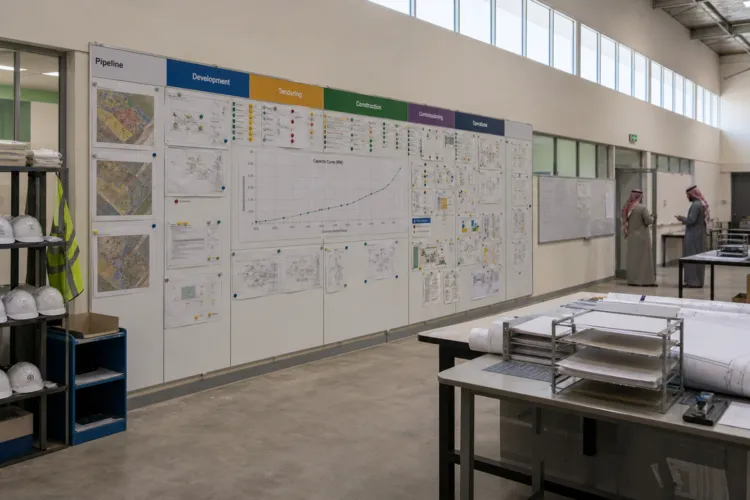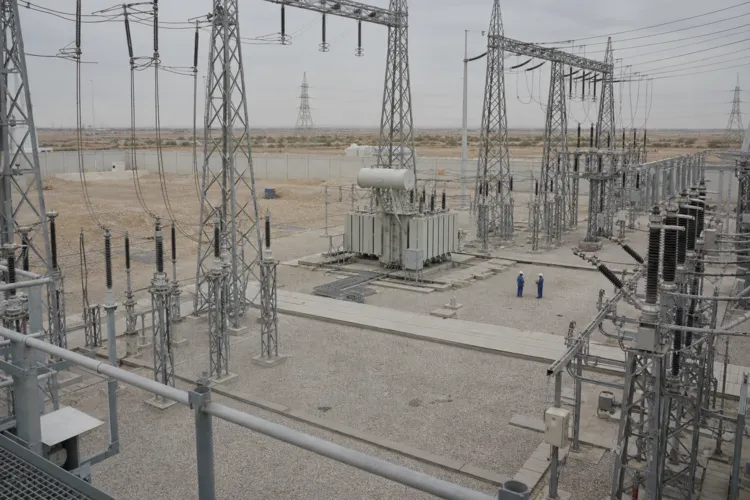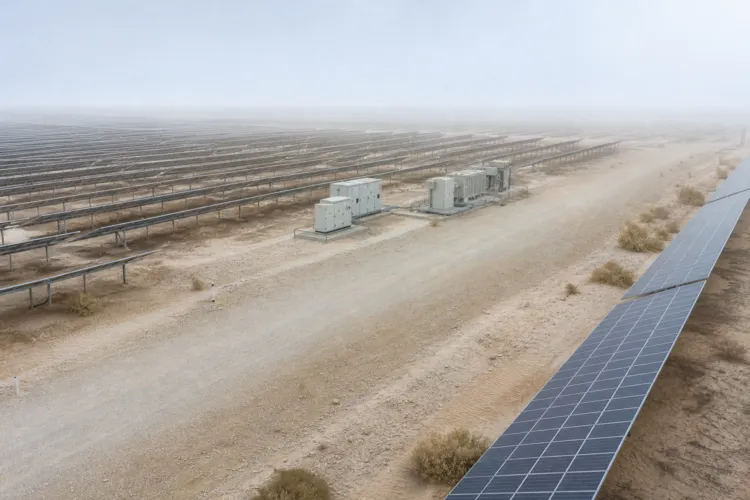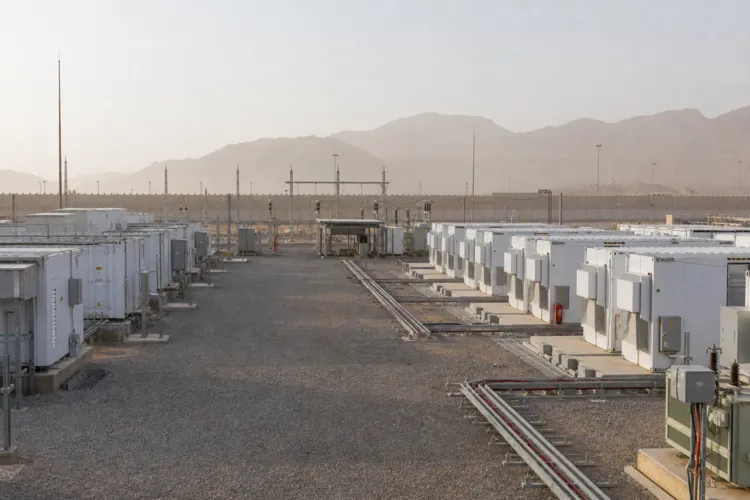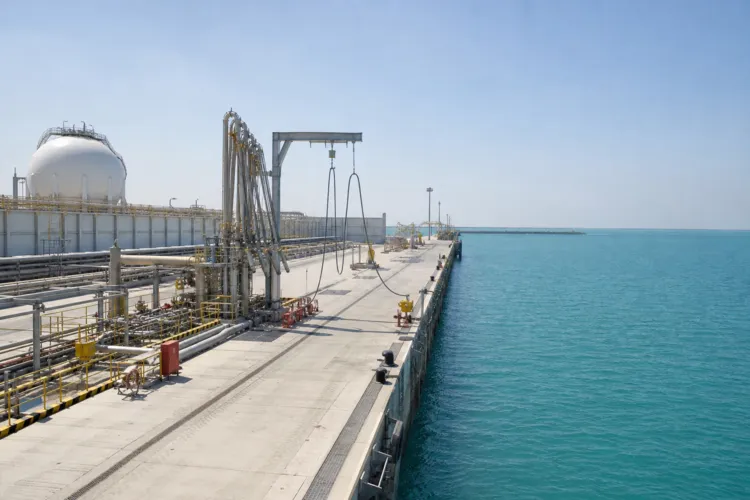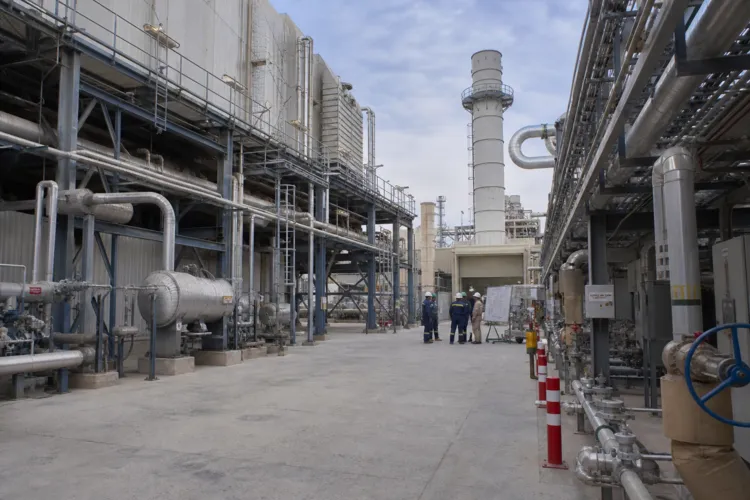
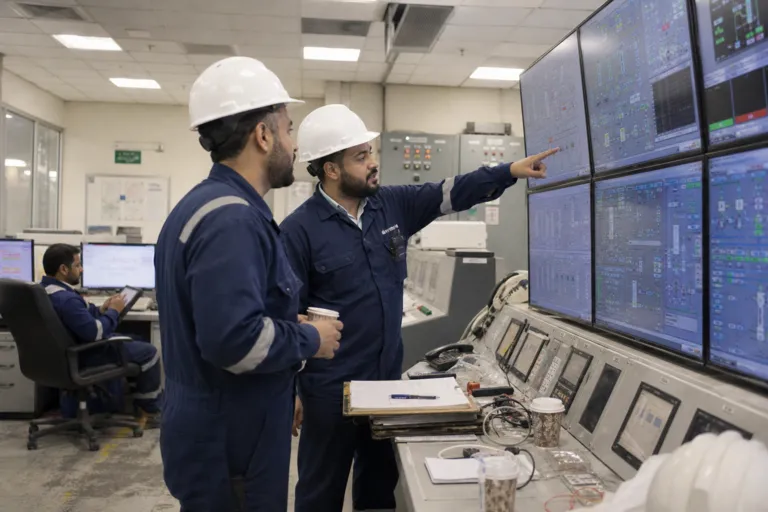
Interest in digital twin saudi power plants use cases keeps rising as operators look for clearer operational decisions and stronger asset performance. Across heavy industry, digital twins are positioned as a way to combine engineering models with operational data so teams can test scenarios before they commit to costly actions. Multiple sources stress that outcomes depend on foundations, not hype. Digital twins require high-quality data, strong operational engagement, clear decision use cases, and integration into governance routines. That message matters for power plants because decisions often ripple across safety, reliability, cost, and emissions goals.
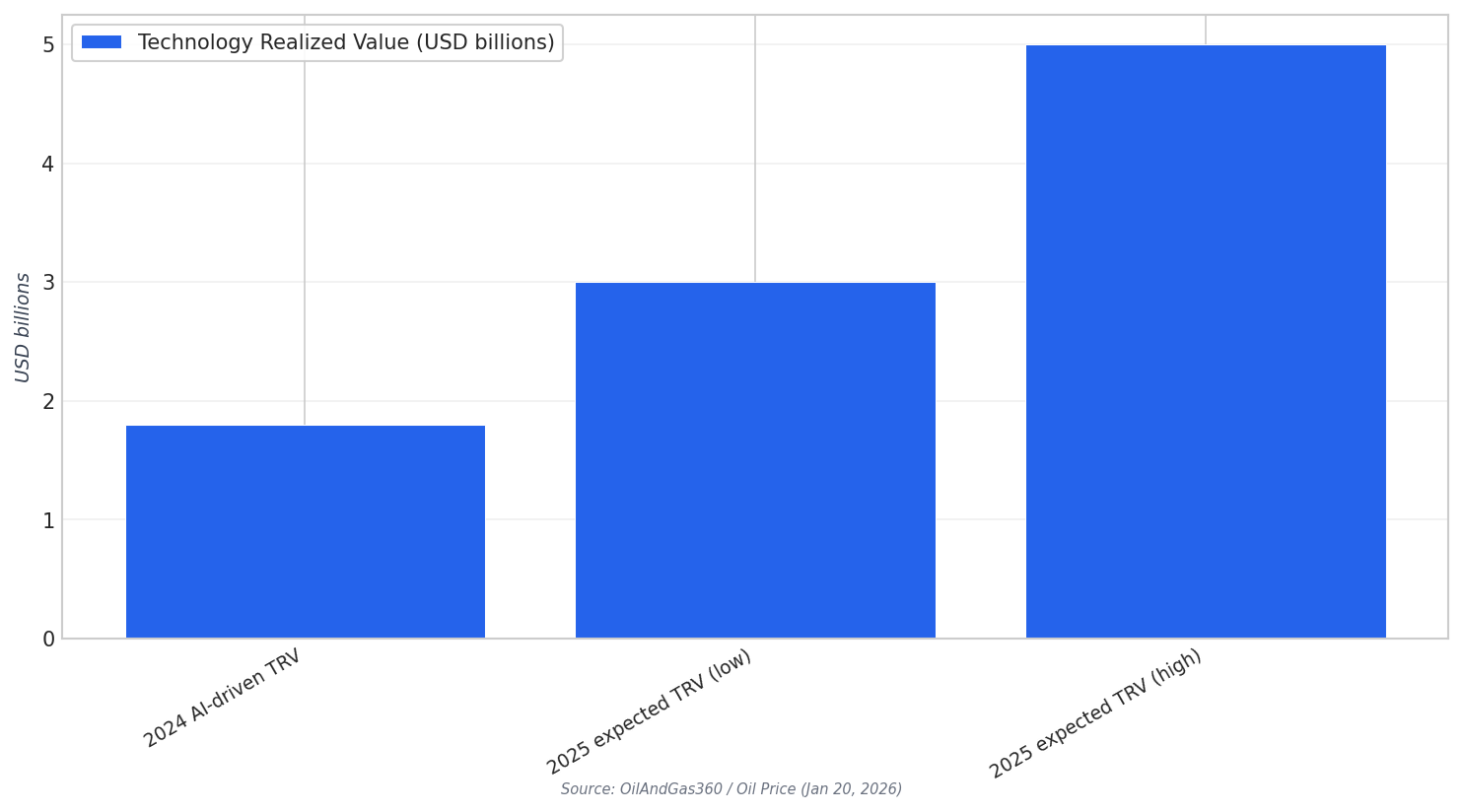
Aramco’s digital transformation program shows how Saudi-scale digital initiatives are being measured and managed. In 2024 alone, Aramco recorded $1.8 billion of AI-driven Technology Realized Value (TRV). Another source also cited a total of $4 billion in TRV in 2024, noting that almost half was from deploying AI predominantly upstream, while also including downstream and corporate functions. Aramco has identified 442 AI use cases, with more than 200 solutions already deployed and over 100 in development as of the end of 2025. The company also said it realizes savings in drilling costs, well productivity, and maintenance costs through increased use of AI and other advanced tech.
These TRV figures do not isolate power plants, but they still provide an ROI signal for industrial digital programs that can include power-related assets and supporting infrastructure. Aramco’s CEO said AI and other advanced technology were expected to help achieve $3 billion to $5 billion in technology realized value in 2025. He also said Aramco had $6 billion total realized technology value across 2023–2024. For power-plant leaders evaluating digital twin roadmaps, the lesson is that executive-level sponsorship often follows quantified value metrics, especially when data quality is treated as the “most important” requirement.
Use Cases and Adoption Lessons That Translate to Power Plants
Digital twin adoption patterns in other asset-heavy sectors highlight practical use cases that map well to power generation. A mining-focused analysis emphasized that adoption gets easier with more affordable satellite communications, but it also warned teams to “get their house in order first.” The recommended preparation includes document management before plugging in sensor data, then running simulations in a digital environment. The same piece cited a 2024 Bentley Systems report where nearly 90% of surveyed mining organizations were using, implementing, or piloting digital twins, with health and safety as the biggest driver. For power plants, this aligns with common digital twin priorities: safer work, fewer unplanned interventions, and better decisions through scenario testing.
In Saudi Arabia, vendor and ecosystem moves also support the readiness needed for digital twins. Siemens opened its first Digital Industries Software office in the Kingdom to provide in-country contracting, technical support, and collaboration across energy and other sectors, with tools used in engineering design, simulation, manufacturing operations, and data integration. Aramco and Microsoft also signed a non-binding MoU to explore AI-driven industrial solutions on Microsoft Azure, with focus areas including digital sovereignty and data residency, operational efficiency and digital infrastructure, and an industry alliance framework. Together, these efforts point to a pragmatic adoption path: strengthen data governance, local support, and skills development so digital twin programs can move from pilots into core operations.
What does “digital twin saudi power plants” mean in practice?
What ROI signals can Saudi operators reference from Aramco’s pilots?
How many AI use cases has Aramco identified?
What adoption lesson matters most before building a digital twin?
Talk to us for your needs in:
-
Energy Efficiency Strategy & Feasibility
-
Renewable Energy Strategy & Investment Advisory
-
Digital Energy & Smart Grid Strategy
-
Market Entry Strategy
-
Sustainability & Impact Strategy
-
Energy Project Governance & PMO Advisory
-
Energy Market Research
-
Energy Stakeholder & Customer Research
-
Energy Market Intelligence
-
Energy Feasibility & Investment Assessment
-
Energy Sector Benchmarking & Performance Strategy