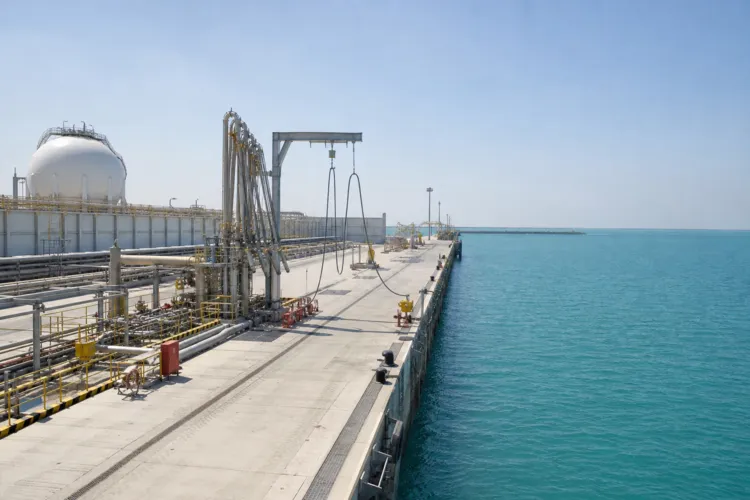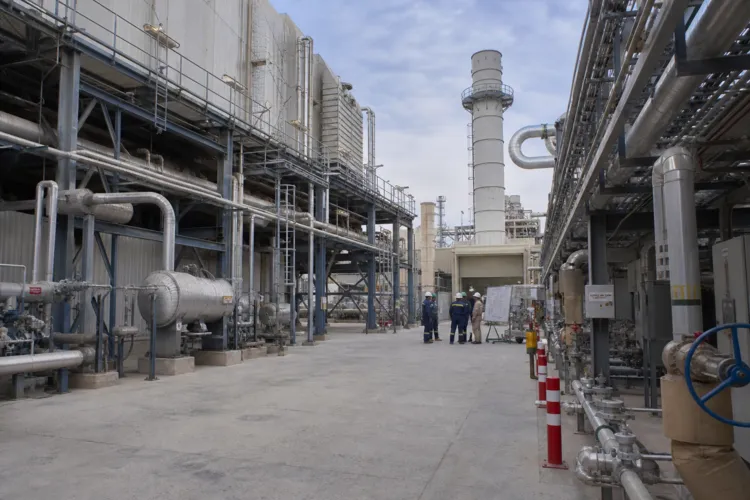
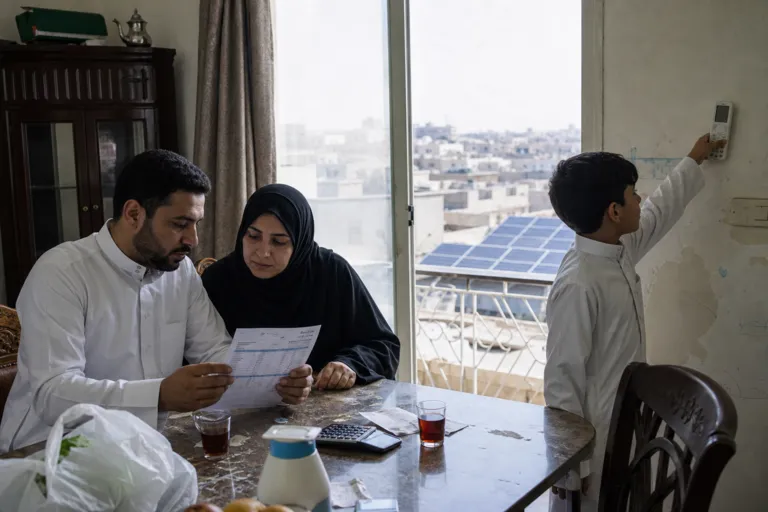
Energy price reform in Saudi Arabia is rooted in a long-standing policy choice: domestic fuels were priced below market levels to spur industrialization and support households. Research summarized in recent academic work links these low prices to allocation inefficiencies and fiscal impacts for the government, and notes a reform pivot aimed at improving allocative efficiency, rationalizing energy use, and strengthening the fiscal position under the Fiscal Balance Program. The electricity sector still reflects administered pricing in important ways, with the sector buying fuel and selling power at prices set by government. In this context, reform is not just about raising prices. It is about redesigning the system so households can manage the transition while the economy uses energy more efficiently.
The recent reform track includes measurable subsidy outcomes and explicit protection mechanisms. One peer-reviewed source reports that Saudi fuel subsidies were reduced to approximately 3.5% of GDP in 2024, down from 5.5% in 2022. The same source says the government implemented targeted cash transfers, citing the Citizens’ Account Program as a tool to compensate low- and middle-income households for higher electricity and fuel costs. International evidence also points to how compensation can sustain public acceptance: a review of reforms states that Saudi Arabia’s 2018 reform involved comprehensive compensation, with over 60% of the population benefiting, and that the reform succeeded despite drastic increases in household energy prices.
Lower-Cost Renewables Make Price Reform Easier to Absorb
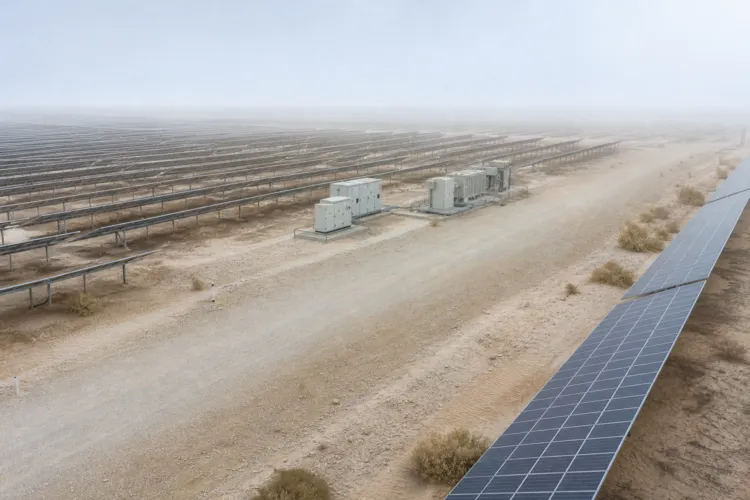
Cheaper power supply can reduce the pressure that tariff reform puts on families. Saudi Arabia’s renewable buildout is scaling, and several sources connect that trend to reform feasibility. One analysis argues that deploying a relatively small quantity of renewable technology consistent with Vision 2030 plans can have a positive impact on long-run GDP and households’ welfare when paired with reductions in implicit energy subsidies. Market reporting adds detail on the pace: grid-connected renewables reached 6.5 GW in 2024 and were scheduled to double to 12.7 GW in 2025. The National Renewable Energy Program has awarded 21 projects totaling 19 GW, with seven plants (4.1 GW) operating by late 2024. These additions are also linked to fuel savings, with renewables already displacing 50,000 barrels per day of crude burn.
Pricing reform works best when it is paired with credible, low-cost alternatives and clear price signals. The 2018 electricity rate restructuring moved residential prices to a 5–32 halala/kWh tier and industrial tariffs to 18 halala/kWh, and linked quarterly adjustments to Brent and Henry Hub benchmarks. At the same time, renewable project economics have been strong. Reporting cites Sakaka Solar closing at 2.32 cents/kWh and Dumat Al Jandal Wind at 2.13 cents/kWh. Another market source says utility-scale PV costs breached the USD 0.018/kWh threshold in 2024. Efficiency responses are visible too: energy-service companies retrofit commercial towers with variable-speed drives and smart controls that cut cooling consumption by 20%, with payback periods under four years under the new tariff regimes.
A practical takeaway for energy subsidy reform in Saudi Arabia is to keep the household impact central, while shifting the system toward targeted support and structurally lower supply costs. Some residential pricing remains a key sensitivity. One market source notes that residential uptake of rooftop PV stays muted under USD 0.048/kWh subsidized tariffs, even as rooftop solar applications grew 180% annually since 2024. Another academic source states that the government subsidizes electricity charges at nearly SAR 0.18/kWh, reinforcing how subsidy design can shape consumer behavior. The reform path, then, is not only a fiscal decision. It is a sequencing challenge: align compensation, tariffs, and renewable deployment so families retain affordability as subsidies are rebalanced.
What is the goal of energy price reform in Saudi Arabia?
How have Saudi fuel subsidies changed in recent years?
How are households protected during energy subsidy reform in Saudi Arabia?
What renewable milestones support Saudi Arabia’s reform effort?
What did the 2018 electricity tariff restructuring change?
Talk to us for your needs in:
-
Energy Efficiency Strategy & Feasibility
-
Renewable Energy Strategy & Investment Advisory
-
Digital Energy & Smart Grid Strategy
-
Market Entry Strategy
-
Sustainability & Impact Strategy
-
Energy Project Governance & PMO Advisory
-
Energy Market Research
-
Energy Stakeholder & Customer Research
-
Energy Market Intelligence
-
Energy Feasibility & Investment Assessment
-
Energy Sector Benchmarking & Performance Strategy