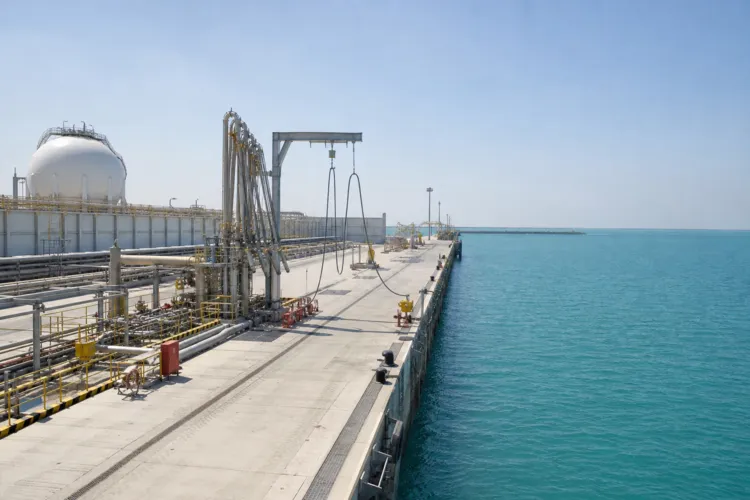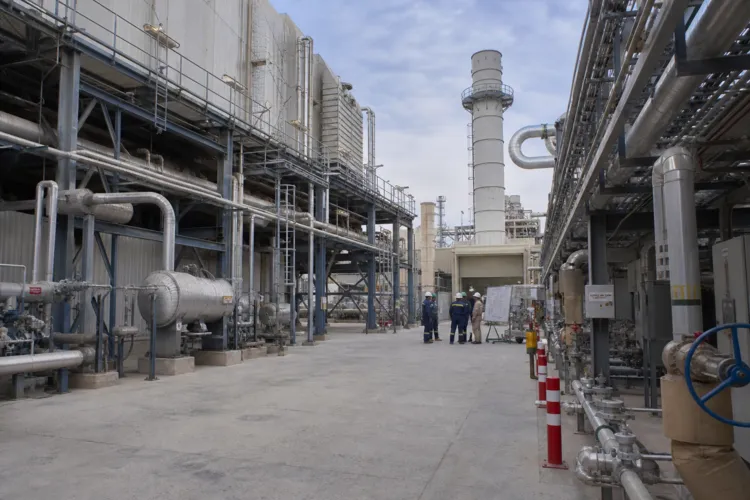

Sustainable aviation fuel (SAF) is increasingly positioned as a practical route to lower aviation emissions without changing existing aircraft engines and airport infrastructure. Globally, one market forecast projects SAF could grow from USD 4.02 billion in 2026 to USD 40.09 billion by 2034, at a 39.95% CAGR. Another forecast values the market at USD 2.25 billion in 2025 and expects it to reach around USD 171.75 billion by 2035, implying rapid scaling. These figures describe global momentum, but they signal why sustainable aviation fuel in Saudi Arabia is being discussed as a potential next clean export frontier.
Saudi Arabia’s near-term pull comes from aviation growth and fuel demand dynamics in its region. In the conventional aviation fuel market, Fortune Business Insights reports Middle East & Africa represented USD 33.69 billion in 2025, or 7.12% of the worldwide market, and is projected to grow to USD 35.68 billion in 2026. The same source links expected jet fuel demand growth to tourism recovery and notes that Middle Eastern countries such as the UAE and Saudi Arabia have a workforce from outside the region. For Saudi Arabia specifically, an IMARC press release cited market estimates of USD 3,071.1 million in 2024 and USD 8,987.4 million by 2033, with a 12.7% growth rate from 2025 to 2033.
Why Saudi Arabia Can Translate Jet Fuel Demand Into SAF Supply
The conversion from jet fuel demand to SAF supply depends on technology pathways, feedstocks, and bankable offtake. Fortune Business Insights highlights technology development, including the Fischer-Tropsch (FT) process, which can convert feedstocks such as natural gas, coal, biomass, and municipal solid waste into synthetic aviation fuels. It also notes SAF can reduce emissions by up to 80% depending on feedstock and production method. On the corporate side, BP initiated development in March 2024 of an integrated renewable fuels project designed to increase SAF production using waste-based feedstocks, aiming to supply airline partners under long-term offtake agreements and using hydroprocessing optimized for renewable aviation fuel synthesis.
Regional positioning matters because SAF demand and supply chains tend to form around major hubs. Market Research Future characterizes the Middle East and Africa as a developing SAF market, driven by major international aviation hubs and rising airline sustainability initiatives. It adds that countries in the Middle East, including Saudi Arabia, are investing in SAF research and pilot projects while leveraging established energy infrastructure. This combination supports an export-oriented storyline: build credible supply, align it with hub operations, and connect it to airline procurement needs that increasingly favor lower-carbon options.
Saudi Arabia’s aviation expansion adds another layer of urgency to planning. The IMARC press release states the Kingdom’s commercial fleet includes 278 active airliners with 350 additional aircraft on order from Airbus and Boeing. It also cites SR 42 billion allocated for infrastructure and transportation in 2025, including new travel lounges across international airports and licensing of additional national air carriers. The same release discusses AI-powered flight management systems and predictive analytics that can reduce fuel consumption by 8–12% through route optimization and operational improvements. Efficiency helps, but SAF supply development is framed as a complementary path as the market grows.
What makes sustainable aviation fuel in Saudi Arabia a credible export theme?
How large is the aviation fuel market context around Saudi Arabia?
Which SAF production pathways are highlighted in the sources?
What do the sources say about SAF emissions benefits?
What aviation growth signals are cited for Saudi Arabia?
Talk to us for your needs in:
-
Energy Efficiency Strategy & Feasibility
-
Renewable Energy Strategy & Investment Advisory
-
Digital Energy & Smart Grid Strategy
-
Market Entry Strategy
-
Sustainability & Impact Strategy
-
Energy Project Governance & PMO Advisory
-
Energy Market Research
-
Energy Stakeholder & Customer Research
-
Energy Market Intelligence
-
Energy Feasibility & Investment Assessment
-
Energy Sector Benchmarking & Performance Strategy