The conversation around saudi aluminum smelter renewable energy often starts with a simple problem. Aluminum needs large, steady power, and industrial sites cannot easily pause when the sun sets. Ma’aden is addressing that challenge upstream in the aluminum value chain at its Al Baitha Bauxite Mine. The mine, described as a cornerstone of Saudi Arabia’s aluminum industry, is set to run almost entirely on renewables through a hybrid solar-and-storage project. The approach matters for low-carbon metals, because it targets a major driver of emissions: electricity supply and the fuels behind it.
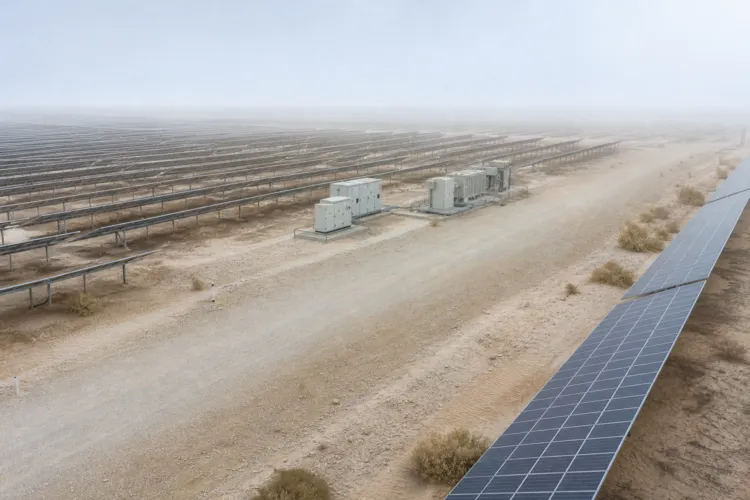
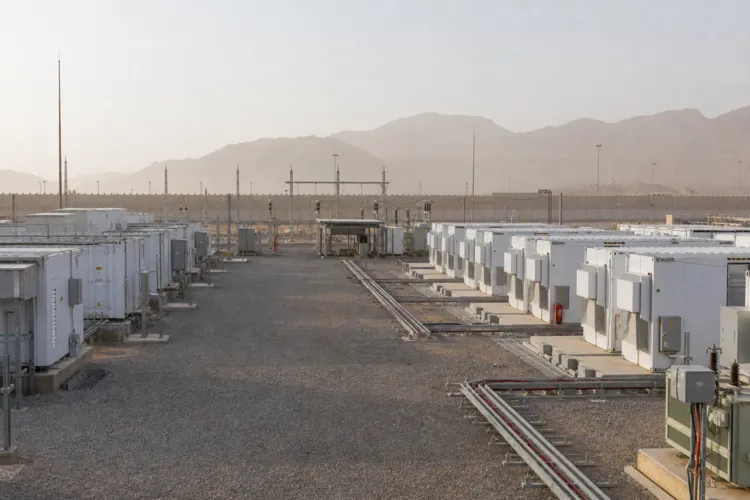
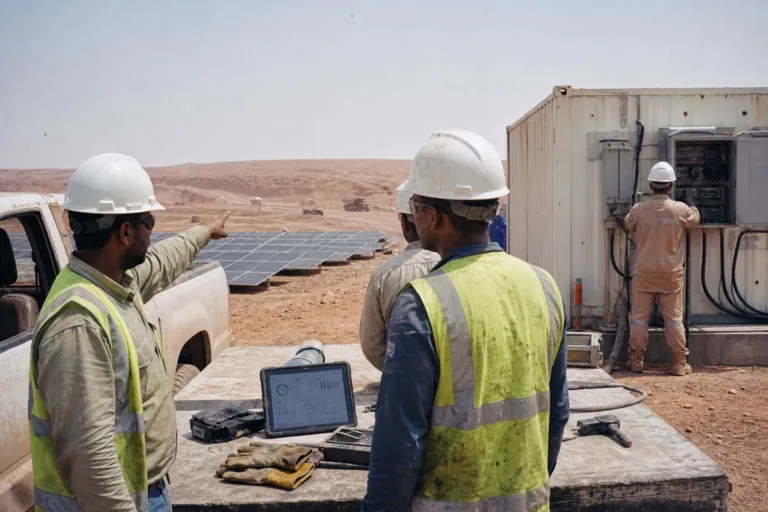
At the center of Ma’aden’s move is a 30-year Power Purchase Agreement (PPA) with Emerge Energy. Under this agreement, Al Baitha will be powered by an 8 MWp solar photovoltaic array paired with a 30 MWh battery storage system. The source describes the hybrid configuration as designed for 24/7 electricity supply in a harsh desert climate. It is also framed as a way to solve renewable intermittency by using storage to firm solar output. In practical terms, it is positioned as a model for making renewables usable for always-on industrial operations.
The project’s expected energy and emissions outcomes are stated clearly in the sources. The system is expected to generate 17,300 MWh of clean electricity each year. It is also expected to slash carbon emissions by 13,800 tonnes annually, described as equivalent to removing 3,000 cars from the road. The same source says the hybrid system can cut the mine’s reliance on fossil fuels by nearly 100%. While this is not the smelter itself, it is a concrete example of renewable power being applied to the industrial chain that feeds aluminum production.
Why Firm Renewables Matter for Low-Carbon Aluminum
Broader industry context helps explain why Ma’aden’s solar-plus-storage design is strategically important. One source notes that access to 100% renewable energy is a key part of the decarbonization process, while also emphasizing that large industrial facilities must balance power needs with grid reliability protocols and economical rates. The same theme appears in comparisons between regions. Green by Iceland is quoted stating that renewable power has attracted aluminum smelters producing aluminum with significantly lower CO2 emissions than if powered by fossil electricity such as coal and natural gas. In Iceland, the electricity grid is described as entirely run on renewable energy from hydro and geothermal resources.
Saudi Arabia’s renewables build-out and contracting activity is also part of the backdrop for corporate PPAs like Ma’aden’s. Sources report that the Saudi Power Procurement Company signed five solar PPAs totaling 12 GW and two wind PPAs totaling 3 GW, billed as the largest renewable energy capacity signed for in a single phase globally to date. These projects are scheduled to be operational across 2027 and 2028. Another source highlights that drivers are expected to shift toward grid integration and flexibility, including a focus on large-scale solar-plus-storage. That direction aligns with Ma’aden’s use of batteries to support round-the-clock industrial power needs.
Ma’aden frames decarbonization as part of a wider ESG pathway. A separate source states that its ultra-low-carbon ammonia production, certified by DNV in 2023, prevents 450,000 metric tons of CO2 annually and is positioned as a step toward carbon neutrality by 2050. Taken together with the Al Baitha PPA, the message is consistent: use long-duration planning and contracted clean electricity to reduce operational emissions. For anyone tracking the saudi aluminum smelter renewable energy trend, Ma’aden’s upstream electrification and firm renewables offer a practical template for scaling low-carbon metals across energy-intensive value chains.
What does “saudi aluminum smelter renewable energy” look like in Ma’aden’s strategy?
How much clean electricity is the Al Baitha hybrid system expected to generate?
What emissions reduction is attributed to the Al Baitha renewables project?
Why is battery storage paired with solar for industrial operations?
What renewable capacity has Saudi Power Procurement Company contracted in PPAs mentioned in the sources?
Talk to us for your needs in:
-
Energy Efficiency Strategy & Feasibility
-
Renewable Energy Strategy & Investment Advisory
-
Digital Energy & Smart Grid Strategy
-
Market Entry Strategy
-
Sustainability & Impact Strategy
-
Energy Project Governance & PMO Advisory
-
Energy Market Research
-
Energy Stakeholder & Customer Research
-
Energy Market Intelligence
-
Energy Feasibility & Investment Assessment
-
Energy Sector Benchmarking & Performance Strategy