The saudi egypt electricity interconnector is often discussed as a gateway for MENA cross-border electricity trade. Its importance becomes clearer when you look at the surrounding power-system realities in the region. Egypt is working to expand renewables while also managing rising demand, especially in summer, and it has highlighted that infrastructure improvements depend on international support. At the same time, regional energy uncertainty has been cited as disrupting Gulf LNG and shaking global power markets, which increases the value of flexible, interconnected grids that can move electricity across borders when conditions change.
Egypt’s power baseline shows why interconnection and grid-strengthening can be strategically valuable. Egypt had just more than 59 GW of installed power generation capacity as of year-end 2024, and just 11% of that figure came from renewable energy. The rest is from fossil fuels, mostly natural gas and oil, and 82% of the country’s power last year was produced at gas-fired power plants. Egypt also has 14.4 GW of gas-fired generation capacity from the Egypt Megaproject, a set of three plants powered by Siemens technology. Against that backdrop, cross-border links can support operational flexibility as the mix evolves.
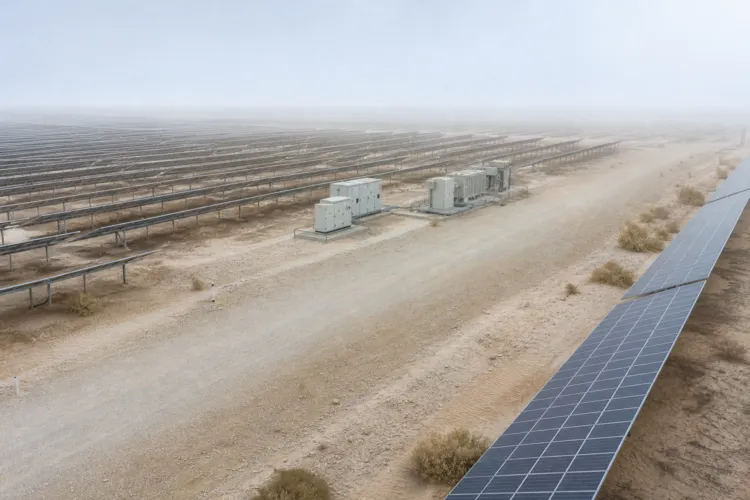
On the investment side, Egypt has continued to sign large renewable deals that imply new grid flows that must be balanced and integrated. Egypt signed financial closure for a 1 GW solar plant with Norway’s Scatec, and it also signed a power purchase agreement for a 900 megawatt wind project in the Gulf of Suez developed with Scatec, with investment in that wind project estimated at $1 billion. Separately, international support has included a $72-million debt package from the International Finance Corp. for the Abydos BESS. These projects do not describe the interconnector directly, but they show why transmission and trading options become more valuable as variable generation grows.
Why the Interconnector Fits MENA’s Grid and Market Direction
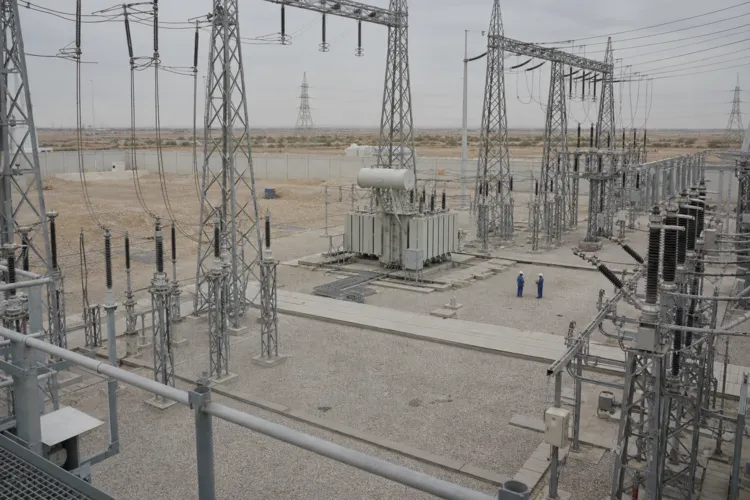
Regional grid buildout signals that high-voltage infrastructure is a priority across MENA, which aligns with the logic behind the saudi egypt electricity interconnector. Bajel Projects secured EPC orders in the MENA region worth over ₹400 crore for two contiguous 500 kV overhead transmission line sections, aimed at national grid reinforcement and grid stability. Separately, Oman Electricity Transmission Company achieved investment grade after Fitch upgraded its rating to BBB. These milestones point to the same theme: transmission capacity, grid stability, and investable networks are increasingly central as countries plan for more renewables and more complex power flows.
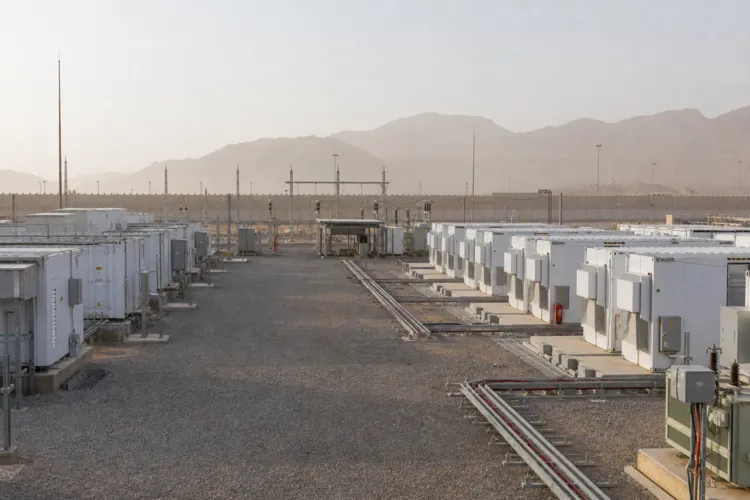
Saudi Arabia’s power-sector direction also supports the relevance of cross-border trading infrastructure. Saudi Arabia launched 3,000 MW BESS projects to strengthen grid stability and support a clean energy transition. In renewables procurement, the country awarded five projects with a total capacity of 4.5 GW, with estimated investment of $2.4 billion (9 billion Saudi riyals), under the sixth phase of its National Renewable Energy Program. The Energy Ministry has said renewables are going to make up around 50% of the energy mix used to produce electricity by 2030. As these additions scale, interconnection can help systems manage variability and unlock trade when generation and demand do not align.
For MENA cross-border electricity trade, the core value proposition is practical: stronger links can support reliability, enable exchanges, and help integrate growing renewable fleets. Egypt’s stated goal is for renewable energy to provide 42% of its electricity generation mix by 2030, even as recent reporting notes the country has relied heavily on natural gas, with solar, wind, and hydropower at only 11.5% of electricity generation. In that context, the saudi egypt electricity interconnector fits a regional pattern of grid investment and system strengthening, especially when broader market shocks are cited as influencing power and fuel dynamics.
What is the saudi egypt electricity interconnector meant to enable?
What do the sources say about Egypt’s current power mix context?
What renewable expansion facts in Egypt support the need for grid integration?
What grid-stability actions are cited in Saudi Arabia that relate to interconnection value?
What broader regional grid signals appear in the sources?
Talk to us for your needs in:
-
Energy Efficiency Strategy & Feasibility
-
Renewable Energy Strategy & Investment Advisory
-
Digital Energy & Smart Grid Strategy
-
Market Entry Strategy
-
Sustainability & Impact Strategy
-
Energy Project Governance & PMO Advisory
-
Energy Market Research
-
Energy Stakeholder & Customer Research
-
Energy Market Intelligence
-
Energy Feasibility & Investment Assessment
-
Energy Sector Benchmarking & Performance Strategy