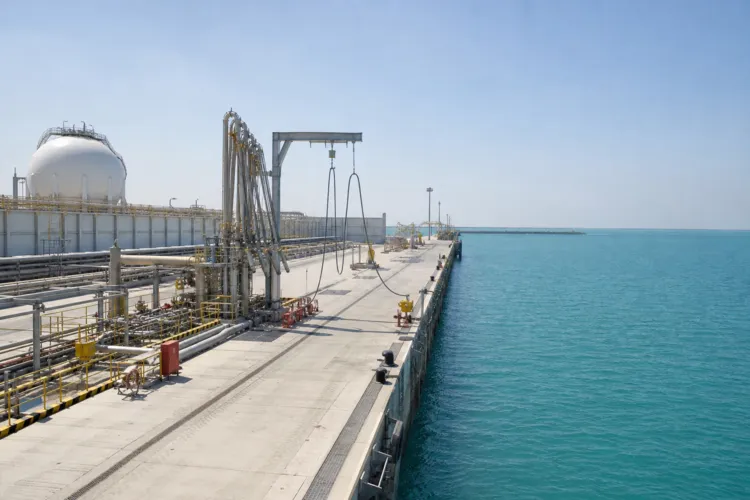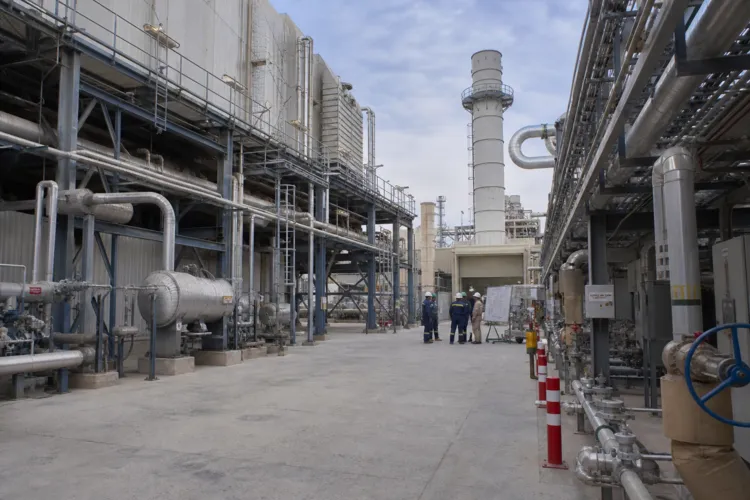

The Saudi nuclear power plant location at Duwayhin marks a turning point in the Kingdom’s energy strategy. While solar power continues to attract headlines, nuclear energy is emerging as the long-term baseload solution. In late 2025, Saudi Arabia finalized key geopolitical partnerships for its first large-scale nuclear reactors, signaling that reliable, 24/7 electricity is now a national priority.
Located on the coast near the Persian Gulf, Duwayhin supports Vision 2030 by diversifying energy sources and stabilizing future power supply. Nuclear power is not replacing renewables. It is reinforcing them.
Saudi Nuclear Power Plant Location: Why Duwayhin Was Chosen
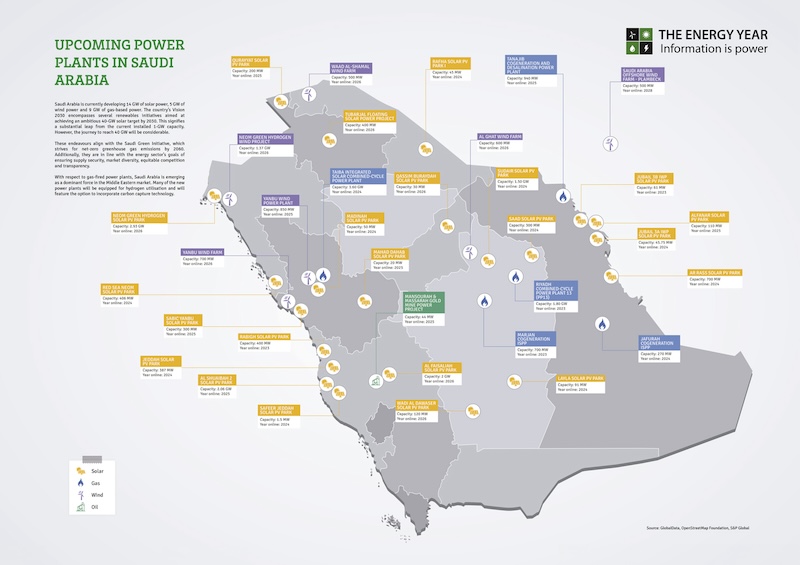
The Duwayhin site sits in Saudi Arabia’s Eastern Province. It was selected after detailed environmental and geological studies. These confirmed low seismic risk and strong access to cooling water. Both factors are critical for large nuclear reactors.
Geological surveys found stable bedrock at the site. This reduced expected foundation costs by 15-20% compared to inland options. The coastal location also supports desalination needs, adding strategic value beyond electricity alone.
Proximity to existing oil and energy infrastructure allows easier grid integration. The projected grid connection is planned for 2032, aligning with national energy timelines.
Read Also: Saudi Nuclear Energy Progress Gains Momentum with First Large-Scale Plant
Saudi Nuclear Power Plant Location: First Large-Scale Reactors Change the Regional Picture
Saudi Arabia’s project stands apart from other regional efforts. These reactors are gigawatt-scale APR-1400 units supplied through a partnership with Korea Electric Power Corporation (KEPCO). Each unit delivers 1.4 GW of capacity.
These designs operate at 38% thermal efficiency, higher than older reactors that average 33%. Capacity factors exceed 92%, meaning they generate power almost continuously. Globally, large-scale reactors of this class have accumulated more than 1,000 reactor-years with zero core damage incidents.
This level of reliability explains why nuclear remains essential. Solar energy is intermittent and requires two to three times more storage to match nuclear’s constant output.
Read Also: Small Modular Reactors in Saudi Arabia: A Strategic Shift in Energy Development
Duwayhin Updates and Geopolitical Signals
In late 2025, Saudi Arabia finalized its nuclear partnership with KEPCO, moving ahead of bids from China and France. The decision reflected both technical performance and geopolitical alignment.
International reviews confirmed that the Duwayhin project meets post-Fukushima safety standards. Construction is scheduled to begin in Q1 2026.
Nuclear electricity offers a levelized cost of 4–6 cents per kilowatt-hour, making it competitive and stable over decades.
The Real Opportunity in Saudi Nuclear Power Plant Location: Nuclear Safety Consulting
As reactors move from planning to construction, a new opportunity is emerging. Nuclear safety consulting is becoming critical.
Industry data shows the nuclear consulting market growing from $474 million in 2025 to $833 million by 2035, at a 5.8% CAGR. Planning and design services already hold 42.5% of this market. Growth is driven by regulatory complexity, safety oversight, and long-term operational monitoring.
Radiation monitoring equipment demand is also rising by 7% annually, with Asia-Pacific leading global installations. These services are no longer optional. They are essential.
Strategic Support for a New Nuclear Era
The Saudi nuclear power plant location at Duwayhin is more than an infrastructure project. It signals a shift toward dependable baseload power and higher safety standards. For companies seeking guidance in this evolving market, Saudi Arabia Energy by Eurogroup Consulting offers strategic consulting built on 40 years of distinguished experience. With deep expertise in market research across the Middle East, Eurogroup Consulting is the essential partner for understanding and succeeding in the region’s rapidly changing energy landscape.
Talk to us for your needs in:
-
Energy Efficiency Strategy & Feasibility
-
Renewable Energy Strategy & Investment Advisory
-
Digital Energy & Smart Grid Strategy
-
Market Entry Strategy
-
Sustainability & Impact Strategy
-
Energy Project Governance & PMO Advisory
-
Energy Market Research
-
Energy Stakeholder & Customer Research
-
Energy Market Intelligence
-
Energy Feasibility & Investment Assessment
-
Energy Sector Benchmarking & Performance Strategy