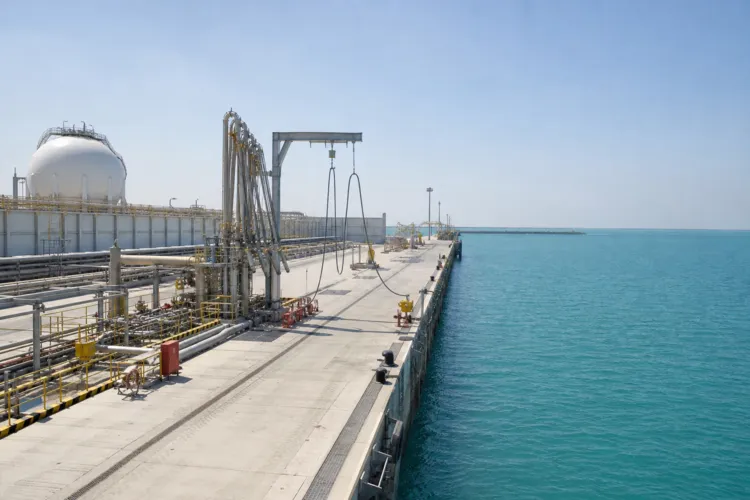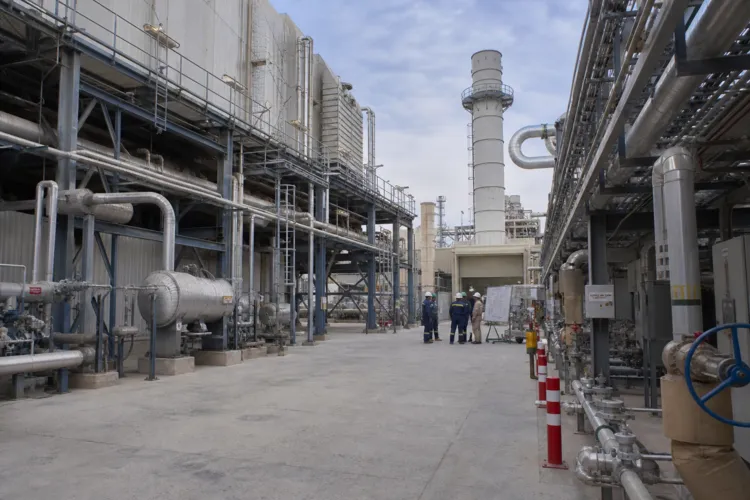

By 2030, Saudi Arabia aims to export 1.2 million tonnes of green hydrogen each year. The ambition is bold. The scale is global. But there is one condition. Projects must secure Saudi clean hydrogen certification now.
Certification is no longer a technical detail. It is the new bottleneck for energy exports.
Europe’s import standards demand proof. Hydrogen must be verified as low-carbon or green through independent audits. Without recognized accreditation, even large-scale production cannot enter European markets. This reality is driving a rush of international certification agencies to establish operations in Riyadh.
Saudi Arabia is not starting from zero. In 2022, Aramco and SABIC Agri-Nutrients received the world’s first independent certifications for blue hydrogen and ammonia production from TÜV Rheinland. This was a major milestone. It showed that Saudi producers can meet global validation standards. More importantly, it proved that certification is possible at scale.
Yet the race is accelerating.
The $5 billion NEOM Green Hydrogen project plans to produce 650 tonnes of green hydrogen per day by 2026. It will rely on 2.2 GW of electrolyzer capacity. This is not a pilot project. It is industrial-scale production. However, producing hydrogen is only half the story. Every tonne must be certified to qualify for export. Without early certification frameworks, projects risk delays when Europe’s 2030 demand peaks.
Saudi clean hydrogen certification therefore becomes a strategic priority, not just a compliance step.
The Kingdom also plans to export 200,000 tons of green hydrogen annually to Europe by 2030. ACWA Power’s partnership with Germany’s SEFE Energy reflects this shift toward green hydrogen exports. The focus is moving from blue hydrogen supported by carbon capture to fully green production powered by renewables. European buyers increasingly require clear documentation of carbon intensity. This increases pressure on local producers to secure internationally recognized audits.
Blue hydrogen still plays a bridging role. The Hawiyah CCS facility has captured 800,000 tonnes of CO2 annually since 2015. Meanwhile, the Jubail CCS hub is set to capture 9 million metric tons of CO2 per year starting in 2027. These projects support blue hydrogen certification by demonstrating carbon management capabilities. Aramco’s partnerships with Linde and SLB further strengthen technical credibility. However, certification standards are evolving. What qualifies today may face tighter scrutiny tomorrow.
This creates urgency.
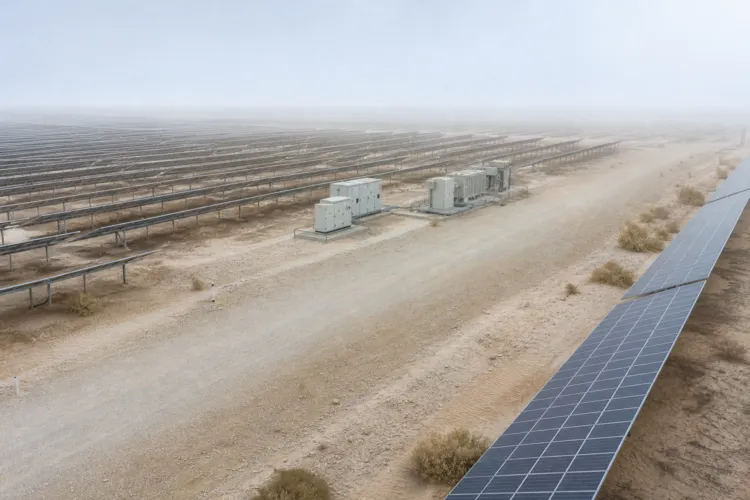
By 2035, Saudi Arabia aims to produce 4 million tons of hydrogen, supported by over 40 GW of solar capacity. Renewable energy capacity is scaling up from a 12.7 GW target by the end of 2025. Large projects like ACWA Power’s Sudair solar plant, with 1,500 MW capacity, already offset 2.9 million tonnes of CO2 annually. These renewable foundations are essential. But renewable power alone does not guarantee export access. Certification frameworks must confirm that the entire hydrogen value chain meets international criteria.
The economics add another layer of pressure. Saudi targets green hydrogen export costs as low as $1 per kilogram. Competitive pricing can unlock market share. But only certified hydrogen can enter regulated markets. This is why accreditation agencies are increasingly positioning themselves in Riyadh. They want to be close to project developers, regulators, and state-backed initiatives under Vision 2030.
Major industrial investments also depend on this process. SABIC’s 1.2 million tonnes per annum low-carbon blue ammonia plant in Jubail will require rigorous audits to meet European standards. Without Saudi clean hydrogen certification, such projects face uncertainty despite their scale.
In short, certification is becoming the gatekeeper of Saudi energy exports.
Production capacity is expanding. Carbon capture infrastructure is proven. Renewable energy is scaling rapidly. Partnerships with Europe are in place. But none of this guarantees export success without recognized validation.
For Saudi Arabia, the race to 2030 is no longer just about producing clean hydrogen. It is about proving it.
Read more: Beyond the Hype of Saudi Blue Hydrogen Market: Challenges and Pivot in 2025
Talk to us for your needs in:
-
Energy Efficiency Strategy & Feasibility
-
Renewable Energy Strategy & Investment Advisory
-
Digital Energy & Smart Grid Strategy
-
Market Entry Strategy
-
Sustainability & Impact Strategy
-
Energy Project Governance & PMO Advisory
-
Energy Market Research
-
Energy Stakeholder & Customer Research
-
Energy Market Intelligence
-
Energy Feasibility & Investment Assessment
-
Energy Sector Benchmarking & Performance Strategy