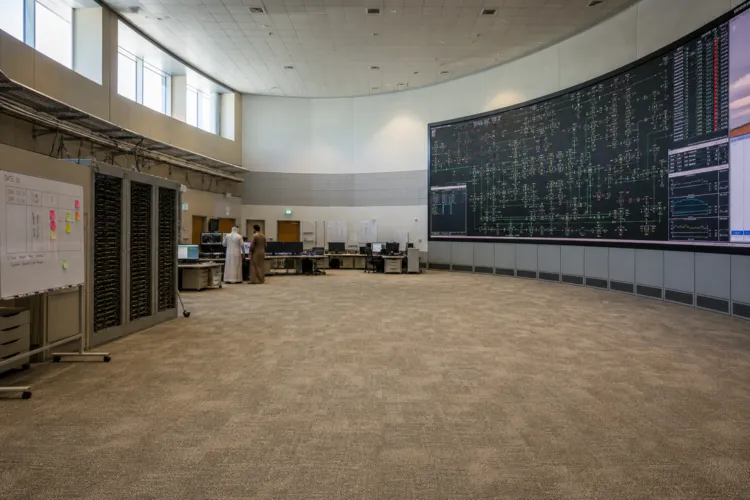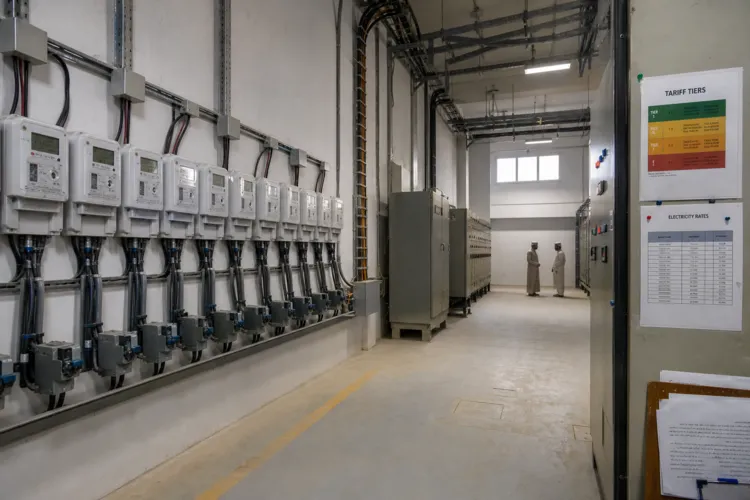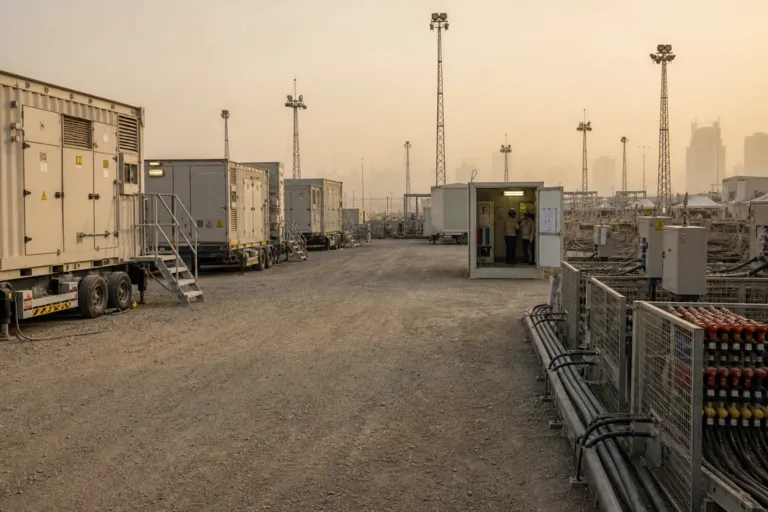
Managing hajj energy demand in Makkah is an operational challenge defined by peaks, not averages. In the Holy Sites area around Makkah—Meena, Muzdalifah, and Arafat—Scientific Reports notes that peak power loads reach 500–600 MW during Hajj, driven by needs such as cooling, lighting, water desalination, and transportation. The same study says this demand is supplied mostly by distant oil-fired plants, which highlights why planning cannot be limited to local distribution alone. The focus becomes reliability under stress: keeping power stable when millions arrive and electricity use surges within a short seasonal window.
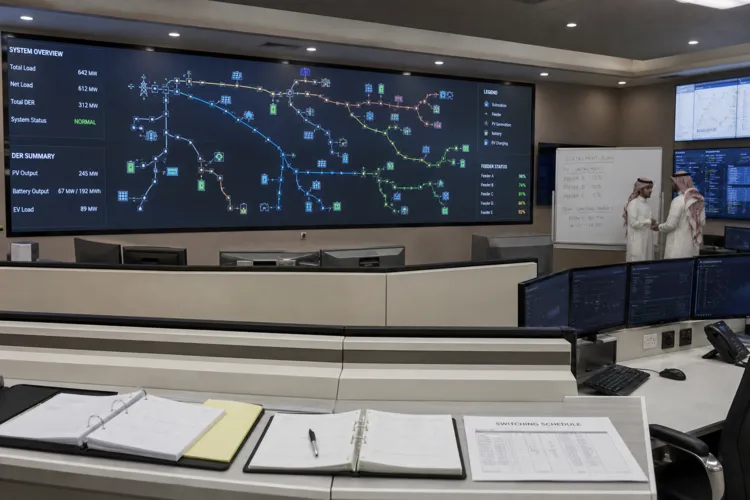
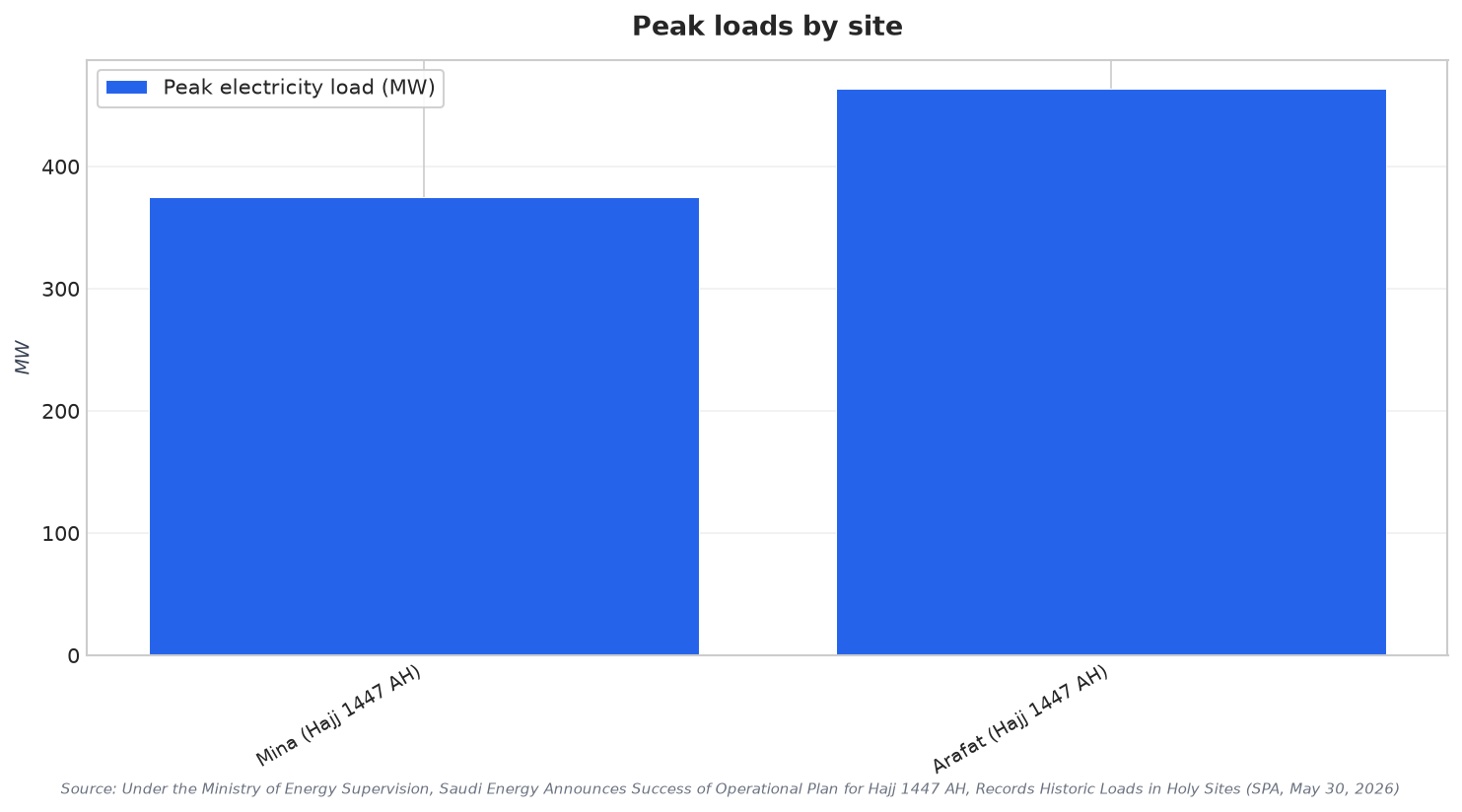
During Hajj 1447 AH, Saudi Energy reported record electrical loads at the holy sites while maintaining uninterrupted service. SPA reported that loads reached 375 MW in Mina and 464 MW in Arafat, and stated that the public electricity grid recorded no outages throughout the season. GCC Business News added context on year-over-year movement: peak demand in Arafat rose 8% from the previous Hajj season, while peak demand in Mina rose 5% to 375 MW. Those figures show both the magnitude of site-specific peaks and the reality that operational plans must adapt as demand edges higher.
How Readiness Planning Reduces Risk at Peak
Preparation combines testing, automation, and targeted grid expansion. SPA said the Saudi Energy Company and other electricity-sector entities conducted two large-scale power-grid tests ahead of Hajj, under the direct supervision of the Ministry of Energy and with follow-up by the Saudi Electricity Regulatory Authority. SPA also described a smart and fully automated electricity system in the holy sites, supported by artificial intelligence technologies and proactive fault analysis, to improve load-management efficiency during peaks. On the infrastructure side, GCC Business News reported the commissioning of the Mina 7 substation, connected to the power grid with a capacity of 121 MW, building on five substations completed during the previous Hajj season.
Electricity reliability is only one side of peak-season energy continuity. SPA reported that, between 1 Dhu Al-Qadah and 10 Dhu Al-Hijjah (April 18–May 27, 2026), diesel consumption in Makkah and Madinah averaged 34,500 barrels per day, totaling 5.5 million barrels, up 3.8% from the same period a year earlier. Over the same period, consumption of gasoline grades 91 and 95 averaged 39,800 barrels per day, totaling 6.4 million barrels, an increase of 4.9%. Oversight included more than 12,000 field and desk-based inspections covering over 400 fuel stations in Makkah and Madinah, plus mobile laboratories deployed to verify fuel quality.
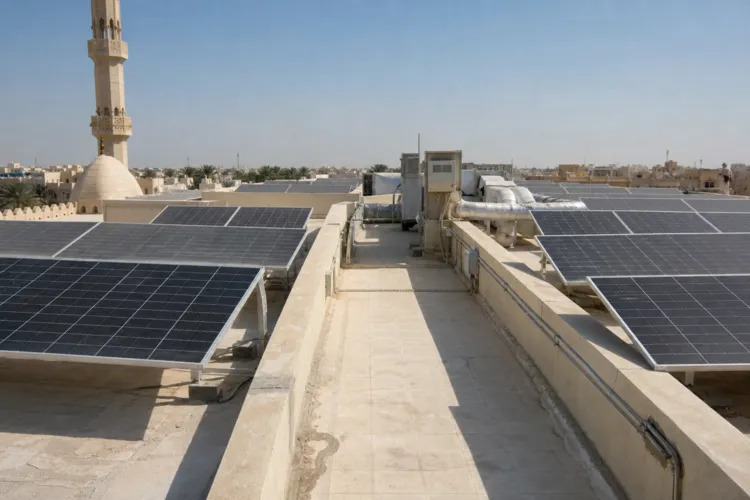
Longer-term, Saudi Arabia’s power transition provides additional context for how peak demand can be met as the system evolves. Mordor Intelligence reported that thermal generation led with 93.2% of the Saudi Arabian power market share in 2024, while renewables are forecast to expand at a 39.6% CAGR through 2030. It also described a USD 20 billion modernization plan anchored in HVDC links and smart meters. For the Holy Sites specifically, Scientific Reports mapped solar PV suitability and concluded that the “most suitable” and “highly suitable” categories could produce 6.75 GW of electricity, and that just 10% of that potential (675 MW) would meet Hajj’s peak demand of 500–600 MW. Together, these facts frame how operational readiness today can align with planning options for tomorrow.
What peak electricity loads were recorded in Mina and Arafat during Hajj 1447 AH?
How did peak demand change versus the previous Hajj season at the holy sites?
How do planners test and modernize the grid for hajj energy demand in Makkah?
What fuel-consumption levels were reported in Makkah and Madinah during the Hajj operational period in 2026?
How much local solar PV potential near the Holy Sites could cover peak Hajj loads, according to the study?
Talk to us for your needs in:
-
Energy Efficiency Strategy & Feasibility
-
Renewable Energy Strategy & Investment Advisory
-
Digital Energy & Smart Grid Strategy
-
Market Entry Strategy
-
Sustainability & Impact Strategy
-
Energy Project Governance & PMO Advisory
-
Energy Market Research
-
Energy Stakeholder & Customer Research
-
Energy Market Intelligence
-
Energy Feasibility & Investment Assessment
-
Energy Sector Benchmarking & Performance Strategy