Interest in lithium extraction Saudi Arabia is increasingly tied to brines that already come from industrial systems. Saudi Aramco has reported zones of lithium concentration of up to 400 parts per million on its existing operational lands, based on reporting linked to the Aramco–Ma’aden joint venture. This framing matters because it positions produced water and other brines as potential feedstocks rather than new mines. Sources describing the pathway from research to pilots stress that commercialization is measured in years and hinges on discovery, permitting, infrastructure rollout, and market conditions. Early studies have been described as suggesting commercial lithium production could begin as soon as 2027, but the same coverage characterizes that as an aggressive timeline.
Saudi strategy also connects lithium to wider energy and industrial plans. One report describes the Kingdom maintaining 12 million barrels per day production capacity while deploying $100 billion toward mineral extraction infrastructure targeting battery-critical materials. Another source states Saudi Arabia’s buildout of 60 GW of solar and wind power by 2030 will require substantial energy storage, potentially adding another 100,000 tonnes of LCE consumption. Within that context, the Aramco–Ma’aden venture is described as aiming to satisfy all Saudi lithium demand, reducing import dependency and securing supply chains for the clean energy transition. Separate reporting also notes $6 million in initial funding from Ma’aden and the KAUST Innovation Fund, with a goal to achieve significant lithium production within Saudi Arabia by 2028.
What Makes Brine-Based Lithium a Plausible Fit for Saudi Arabia?
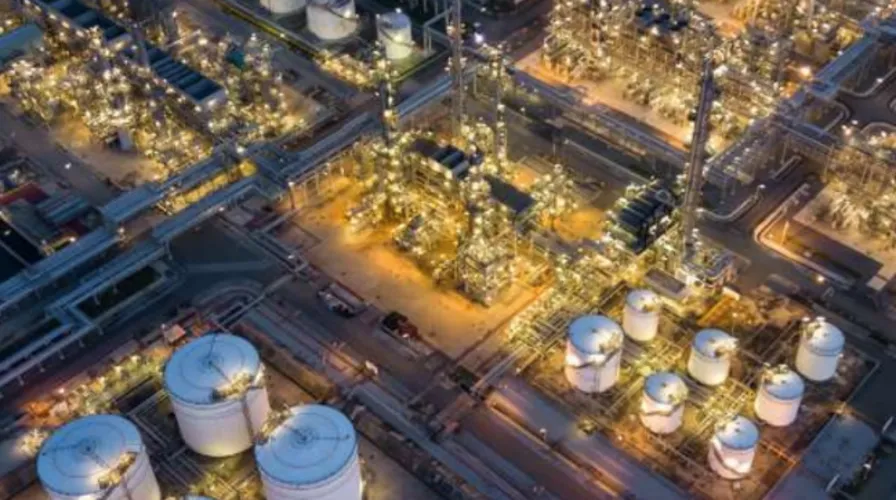
Two brine streams are repeatedly highlighted: oilfield brines and desalination brines. A ScienceDirect review argues Saudi Arabia’s extensive desalination infrastructure presents an opportunity to recover lithium from desalination brine while supporting circular resource management, and it calls for continued technological development, supportive governance frameworks, stakeholder engagement, and environmental monitoring. On the oilfield side, one analysis says Aramco’s oilfield brine contains lithium concentrations of around 400 ppm and claims that by 2030 this resource alone could supply enough lithium for 500,000 electric vehicle batteries. The same source frames brine recovery as a way to turn waste water from oil wells and desalination plants into high-value materials, while avoiding new environmental damage associated with creating entirely new extraction footprints.
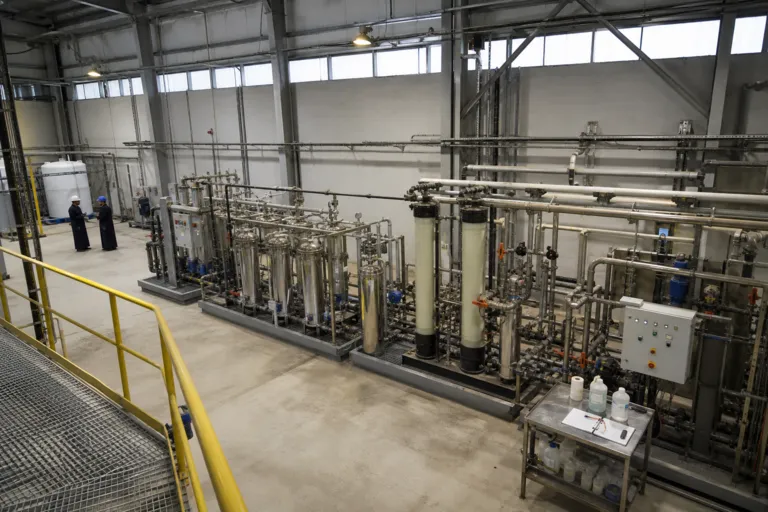
The technical “proof” of direct lithium extraction (DLE) readiness is often communicated through pilot metrics, and many of the clearest benchmarks come from outside Saudi Arabia. Reuters reported Albemarle completed validation of its DLE pilot plant in Chile, where lithium recovery exceeded 94% during stable operation, the pilot ran for over 3,000 hours (more than 90 consecutive days), and water reuse reached up to 85%. Reuters also reported Albemarle allocated $30 million to the pilot plant and $216 million to a salt recovery plant in the Atacama salt flat. Other cited pilots describe an electrode surface area of 33.75 square meters used for lithium extraction from Dead Sea brine with an 84.0% recovery rate and energy savings of up to ~21.5% by harvesting osmotic energy. For Saudi pilots, these figures serve as external reference points for the kinds of recovery, runtime, and water-handling claims the market expects.
Regionally, lithium is also framed as a supply-chain and industrial policy issue, not just a geology story. A Middle East lithium market databook states the market size is USD 265 million in 2026 and says the area, while relying on imports, is building the ability to extract lithium from unconventional sources such as oilfield brines and pegmatite deposits. It reports lithium hydroxide holds a 30.0% share, while automotive accounts for 43.0%, consumer electronics 22.0%, and grid storage 15.0%. For Saudi Arabia, the practical question becomes execution: converting promising concentrations, lab advances (including electrochemical approaches described as “decoupled and membrane-free”), and pilot plans into repeatable recovery rates, permitting progress, and durable operations that can credibly feed battery and chemical processing ambitions.
What lithium concentrations have been reported in Saudi Aramco oilfield brines?
When could commercial lithium production begin in Saudi Arabia, based on current reporting?
How does desalination brine recovery fit into Saudi Arabia’s lithium plans?
What pilot benchmarks show what “good” DLE performance can look like?
What is driving interest in lithium extraction in Saudi Arabia for batteries and storage?
Talk to us for your needs in:
-
Energy Efficiency Strategy & Feasibility
-
Renewable Energy Strategy & Investment Advisory
-
Digital Energy & Smart Grid Strategy
-
Market Entry Strategy
-
Sustainability & Impact Strategy
-
Energy Project Governance & PMO Advisory
-
Energy Market Research
-
Energy Stakeholder & Customer Research
-
Energy Market Intelligence
-
Energy Feasibility & Investment Assessment
-
Energy Sector Benchmarking & Performance Strategy