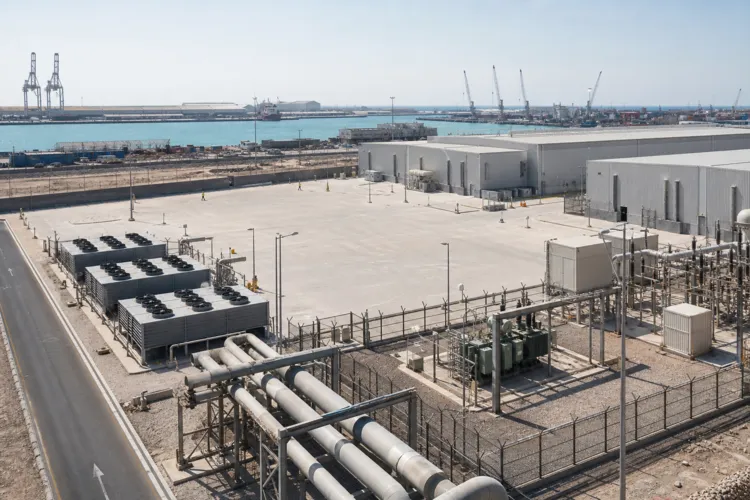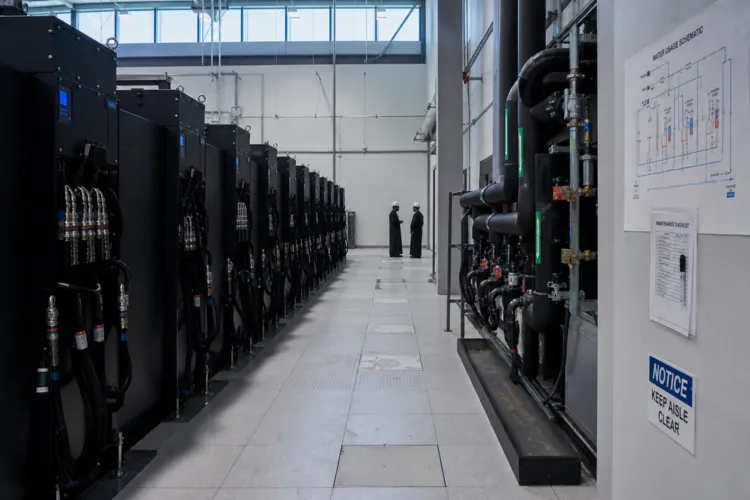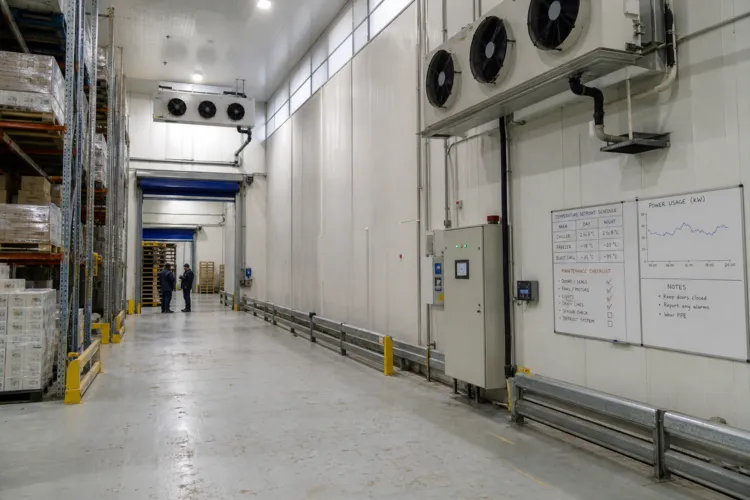
Saudi Arabia must cool homes, hospitals, towers, and factories through long, harsh summers. In many places, summer temperatures routinely top 50°C. That heat forces HVAC systems to run hard, which can send electricity bills sky high and strain equipment. This is why high-efficiency HVAC and heat pumps are getting more attention. They can deliver cooling and also provide hot or cold water, which helps large buildings reduce energy costs and lower their carbon footprint.
Heat pumps are built to move heat from the air to provide cooling, heating, and domestic hot water. They can work in hot climates, making them relevant for Saudi conditions. This matters for both new construction and renovations, especially as the country invests heavily in large-scale projects such as skyscrapers, hotels, and shopping malls. In mega developments, planners are also pushing sustainable designs. NEOM’s The Line is described as a 170 km linear city designed to run on 100% renewable energy with no roads or carbon emissions. OXAGON is presented as a sustainable floating industrial city operating with zero emissions and using renewable energy sources.
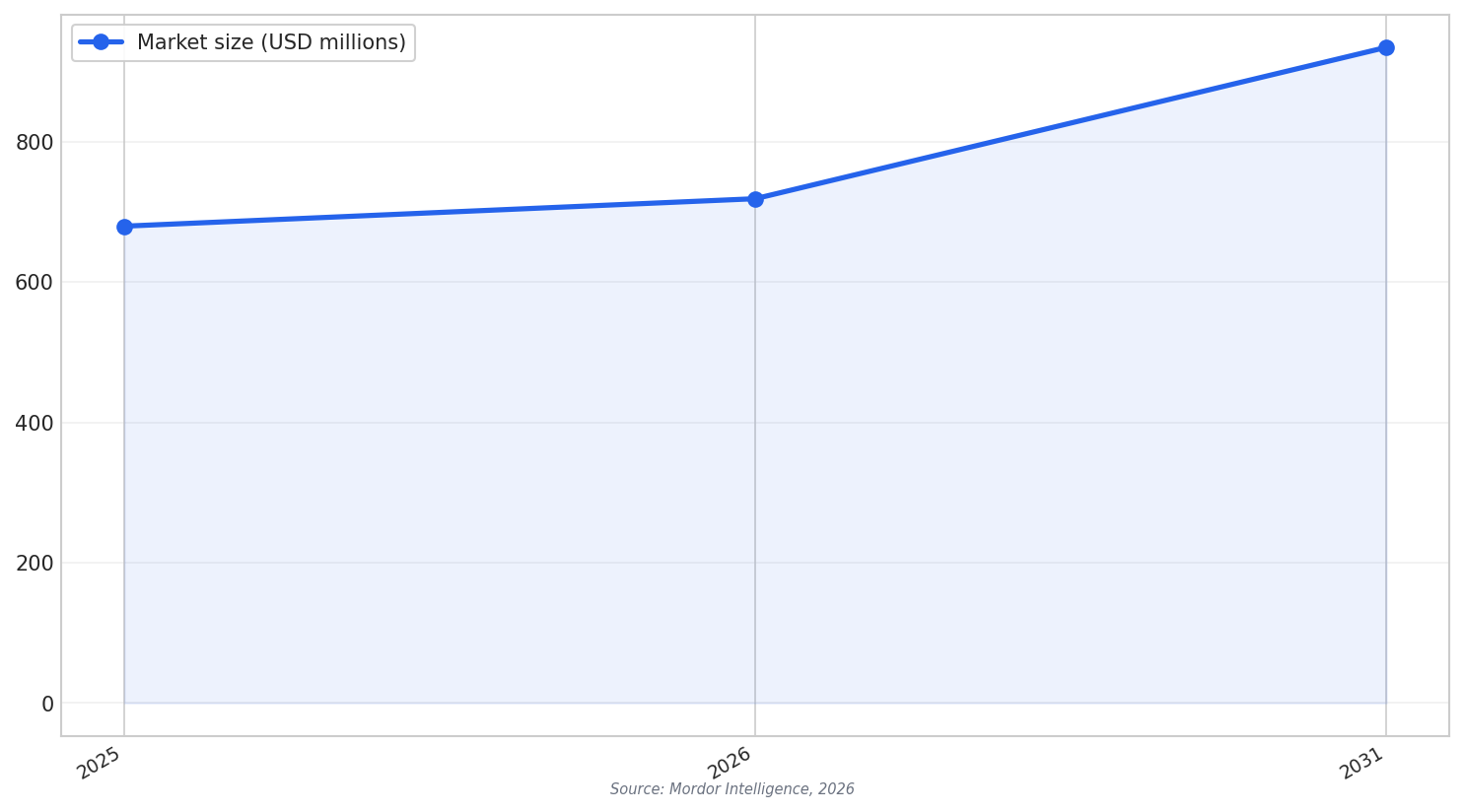
Market figures show that heat pumps are not a niche topic anymore. Mordor Intelligence values the KSA heat pump market at USD 679.43 million in 2025. It estimates growth to USD 718.57 million in 2026 and USD 934.21 million by 2031. It also links demand to expanding giga-project construction, rising electricity tariffs that penalize inefficient cooling, and Vision 2030 efficiency mandates.
Where Savings Come From in Real Buildings
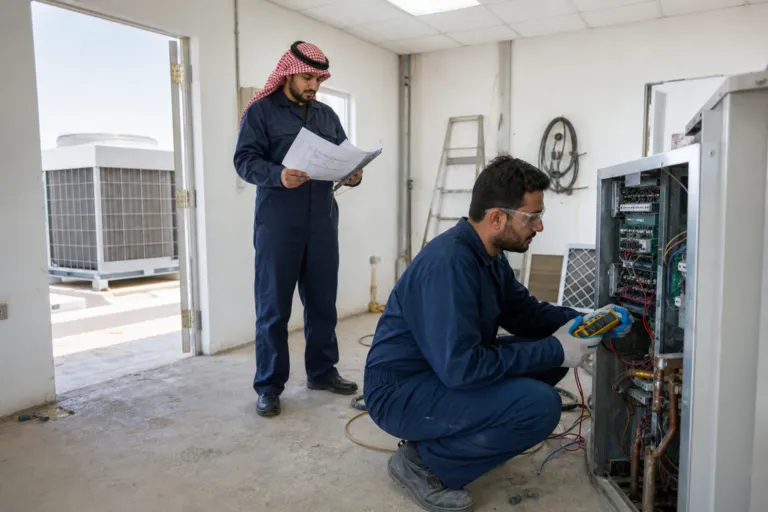
High-efficiency HVAC is not only about replacing equipment. It can also mean fixing the hidden losses that make cooling expensive. Airlution notes that leaky ducts are a major cause of wasted energy. It says that if ducts have leaks, an HVAC system has to work 30% to 40% harder to cool a space. In a hot, dusty environment, correct setup and maintenance also matter. Airlution describes system calibration, airflow checks, and filter selection as changes that can lead to “massive savings over a year,” while preventive maintenance can extend the life of a unit.
Heat pumps can also support more advanced needs. In humid, hot coastal areas, some project teams ask if systems can integrate dessicant dehumidification, while also heating water for hospitals. This points to a larger shift: buyers want HVAC systems that solve several problems at once, instead of just pushing cold air. That is why hybrid options are getting attention. Bona Fide Research highlights Carrier’s AquaForce 30XA hybrid heat pump system, which combines an air-to-water heat pump with a conventional cooling system to reduce energy usage while meeting cooling needs.
For large developments, district cooling is another path to cut energy use. One industry source says district cooling is three to five times more energy-efficient than conventional air conditioning, but it needs high-capacity heat exchangers. The same source says NEOM, the Red Sea Project, and Qiddiya alone represent over USD 500 billion in planned development, which helps explain why cooling efficiency is now a core design issue, not an afterthought.
What is driving heat pump adoption saudi arabia right now?
How big is the KSA heat pump market, based on the sources?
How can duct sealing reduce HVAC waste in Saudi buildings?
Why do giga-projects matter for high-efficiency cooling?
Talk to us for your needs in:
-
Energy Efficiency Strategy & Feasibility
-
Renewable Energy Strategy & Investment Advisory
-
Digital Energy & Smart Grid Strategy
-
Market Entry Strategy
-
Sustainability & Impact Strategy
-
Energy Project Governance & PMO Advisory
-
Energy Market Research
-
Energy Stakeholder & Customer Research
-
Energy Market Intelligence
-
Energy Feasibility & Investment Assessment
-
Energy Sector Benchmarking & Performance Strategy