A building energy retrofit in Saudi Arabia is increasingly framed around one simple reality: cooling dominates the problem, so cooling-focused upgrades can deliver fast, measurable results. In the Saudi power market, cooling loads are described as creating 70% of summer peaks, which keeps electricity demand elevated during hot periods. That context helps explain why energy-service companies (ESCOs) are actively retrofitting commercial towers with variable-speed drives and smart controls that cut cooling consumption by 20%, with payback periods under four years under newer tariff regimes. For owners and facility teams, this is a clear retrofit logic: target cooling systems and controls first, then stack additional measures that reduce the underlying load.
Residential retrofits show a different but complementary story: the biggest value comes from consistent implementation across the existing stock and future builds. One Saudi-focused simulation found that retrofitting existing homes and ensuring high energy-efficiency (EE) standards in future housing stock can lead to an 18% reduction in cumulative electricity consumption by 2060, and a 30% cut in that year’s projected demand. The same source highlights what “retrofit” can mean in practice when it is designed as a package: envelope insulation, more efficient AC units (EER12 or higher), boosting lighting efficiency by 70%, and reducing air infiltration by 70%. In that optimization analysis, those combined measures can achieve a 40% reduction in electricity consumption by 2060, which it describes as around a 1% reduction annually.
Retrofit Levers: Controls, HVAC Upgrades, and Financing Models
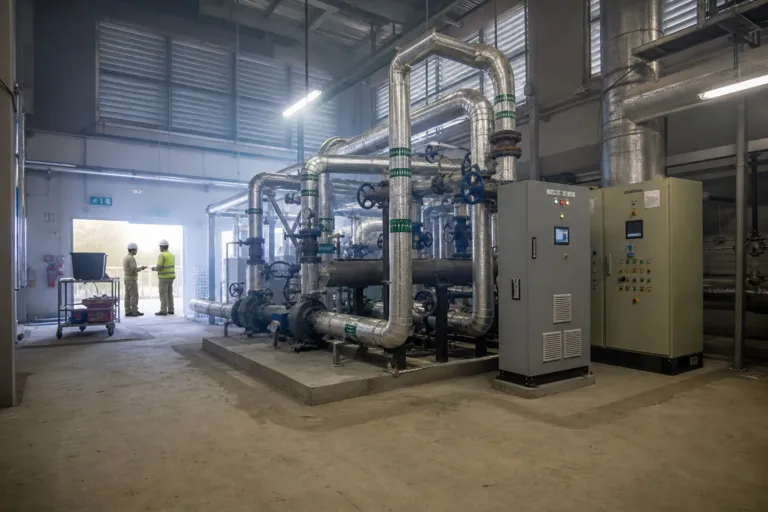
Controls are a recurring lever because they can cut waste without waiting for major construction cycles. In Saudi Arabia’s HVAC market coverage, IoT-connected HVAC systems are described as becoming the standard in new commercial and residential developments. The same source states that smart controls let operators monitor energy use in real time, schedule operations based on occupancy, and diagnose faults remotely, cutting energy consumption by 20–30% compared to conventional systems. On the supply side, manufacturers are also positioning products for replacement and upgrade cycles, including a split AC launched at Big 5 Construct Saudi in Riyadh and described as engineered for Middle Eastern climates. Meanwhile, the power-market source reinforces that ESCO approaches can make retrofits pencil out through OPEX-driven savings and sub-four-year paybacks in some commercial cases.
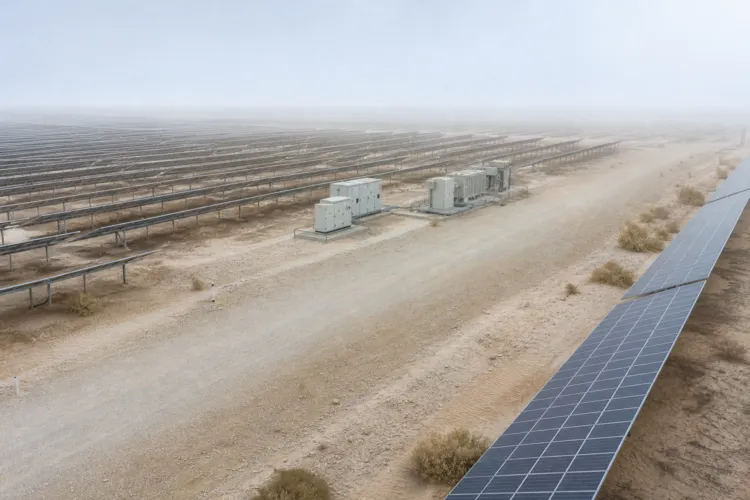
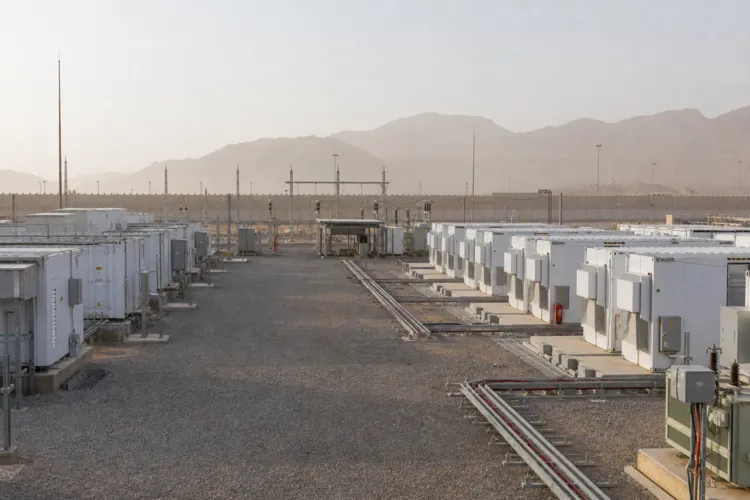
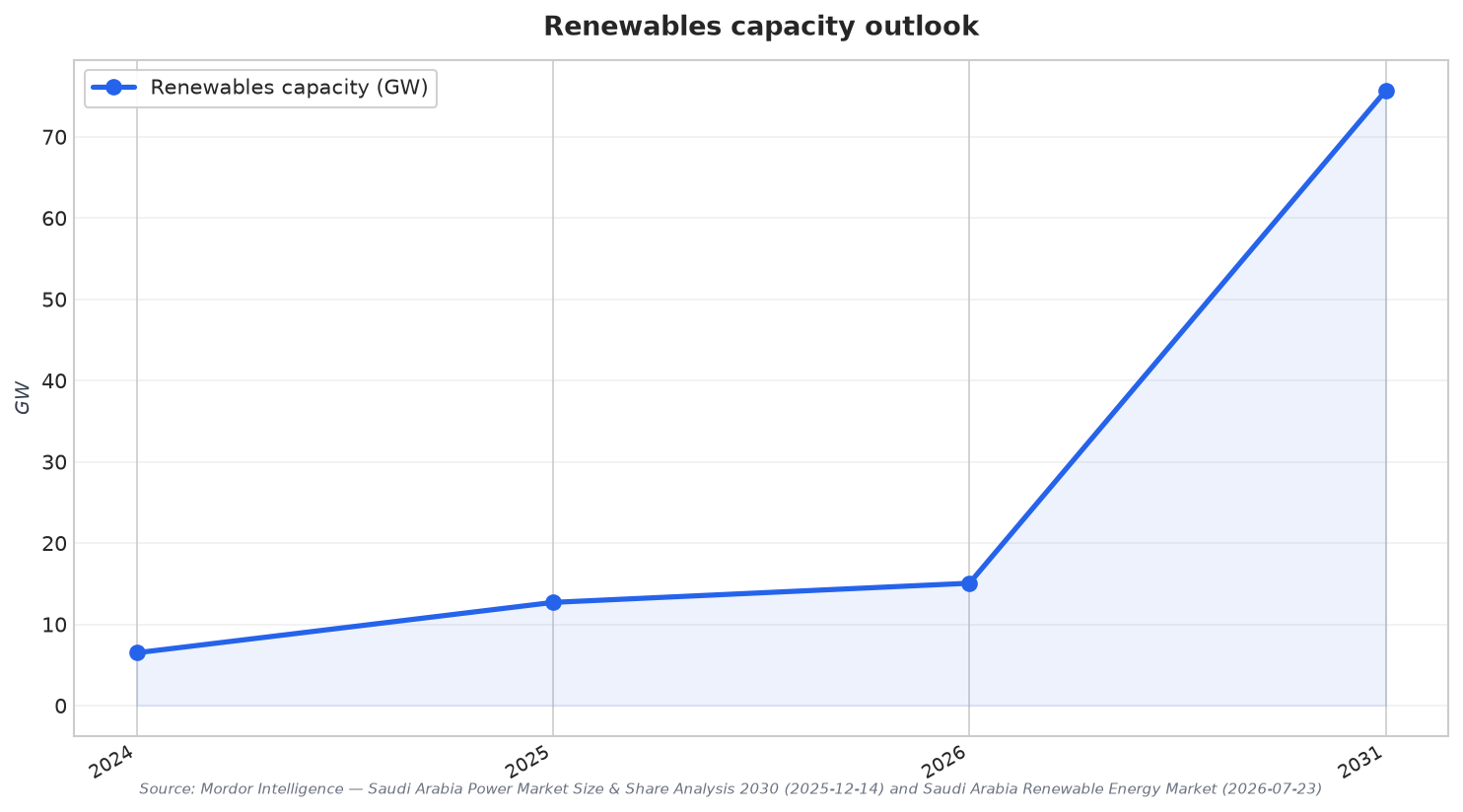
Retrofit strategy also sits next to a wider shift in how electricity is produced and procured, which can strengthen the business case for efficiency. In Saudi Arabia, awarded and announced projects point to more than 57 GW of renewable additions, lifting clean-energy share above one-quarter of the power market by 2030. Grid-connected renewables are cited at 6.5 GW in 2024 and scheduled to double to 12.7 GW in 2025. Separately, the Saudi renewable energy market report sizes the market at 10.90 GW in 2025, rising to 15.06 GW in 2026 and projecting 75.68 GW by 2031 (a 38.12% CAGR over 2026–2031). It also describes how ESCOs bundle PV, storage, and efficiency retrofits, which can align building retrofit programs with on-site generation and evolving procurement options.
To convert these signals into scalable outcomes, policy design and execution matter as much as technology selection. The residential-demand study explicitly calls for comprehensive and targeted EE policies, including mandatory building codes and appliance standards that are periodically updated and rigorously enforced, plus financial incentives such as grants, rebates, or low-interest loans to support retrofits in older homes. It also points to public awareness campaigns to overcome behavioral and informational barriers, and differentiated strategies across climate zones and income groups. Together, these elements define a practical playbook for building energy retrofit Saudi Arabia stakeholders: focus on cooling first, stack load-reduction measures, and support deployment with financing and enforcement so savings are repeatable across the existing stock.
What savings are reported from commercial building retrofits in Saudi Arabia?
What do Saudi residential models suggest retrofits can achieve by 2060?
Which package of measures is cited for deeper electricity reductions in homes?
How do smart HVAC controls change energy use in Saudi buildings?
How does the growth of renewables connect to building retrofit planning in Saudi Arabia?
Talk to us for your needs in:
-
Energy Efficiency Strategy & Feasibility
-
Renewable Energy Strategy & Investment Advisory
-
Digital Energy & Smart Grid Strategy
-
Market Entry Strategy
-
Sustainability & Impact Strategy
-
Energy Project Governance & PMO Advisory
-
Energy Market Research
-
Energy Stakeholder & Customer Research
-
Energy Market Intelligence
-
Energy Feasibility & Investment Assessment
-
Energy Sector Benchmarking & Performance Strategy