Grid modernization Saudi Arabia is becoming a defining requirement of the Kingdom’s energy transition. Multiple targets and market forecasts point to a power system that must expand while also changing how it operates. IMARC Group cited a Saudi Arabia power market size of 84.0 GW in 2025, and estimated 106.0 GW by 2034 with a 2.62% CAGR from 2026–2034. In parallel, the government has pledged to generate 50% of the country’s electricity from renewable sources by 2030. Those ambitions raise the bar for transmission capability, protection systems, and operational tools that can manage variability without sacrificing system security.
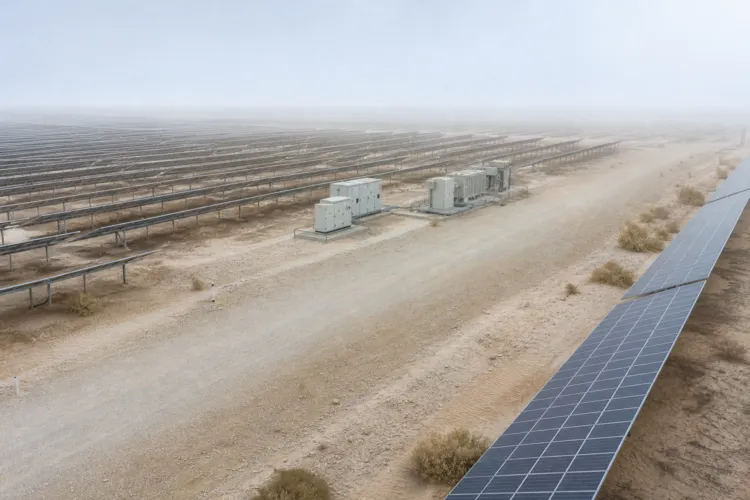
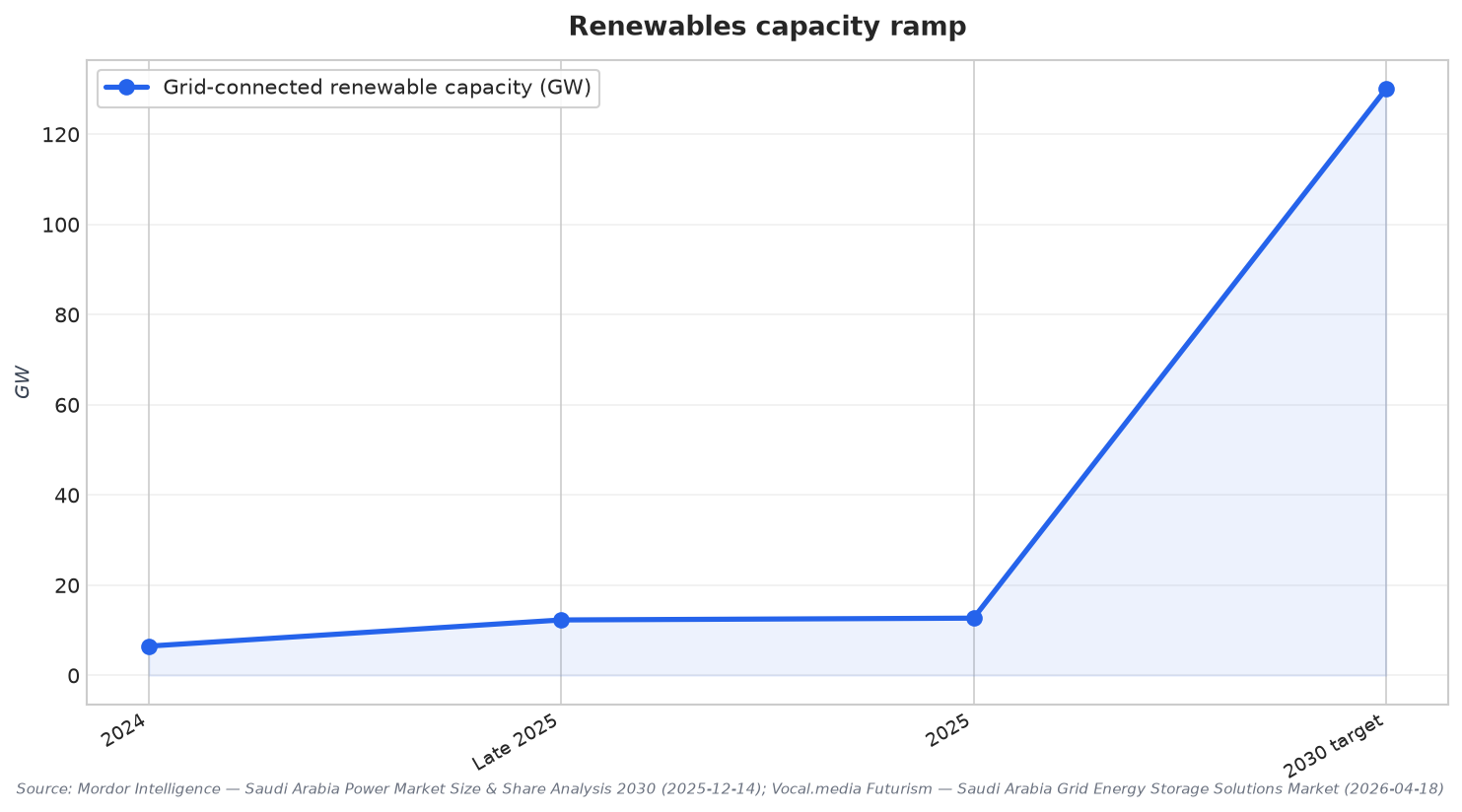
The renewable pipeline creates both urgency and engineering complexity. A market estimate from Mordor Intelligence placed Saudi Arabia’s renewable energy market size at 10.90 GW in 2025, 15.06 GW in 2026, and projected 75.68 GW by 2031, with a 38.12% CAGR over 2026–2031. Separately, an NREP procurement pipeline of 130 GW is cited as the anchor for long-term renewable buildout. The grid is already feeling that pace: one source reported 12.3 GW of grid-connected renewable capacity and 64 GW in the project pipeline as of late 2025, while another noted grid-connected renewables at 6.5 GW in 2024, scheduled to double to 12.7 GW in 2025. As solar and wind scale, congestion in high-solar regions is explicitly flagged as an operational challenge that must be addressed.
What Grid Upgrades Are Being Built to Absorb Renewables?
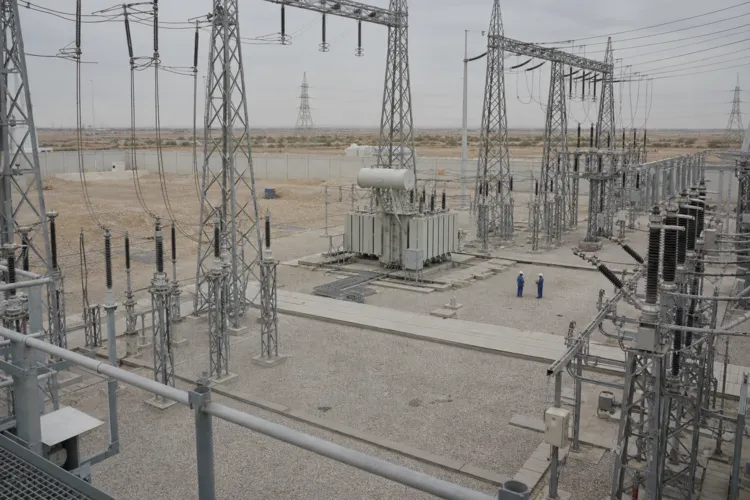
Modernization is not only about new wires; it is also about smarter control, measurement, and resilience. A Saudi Arabia power market report described a USD 20 billion modernization plan anchored in high-voltage direct-current (HVDC) links and smart meters, aimed at integrating the fast-growing renewable fleet. The same report highlighted grid digitalization efforts by Schneider Electric and Siemens Energy using advanced metering and distribution automation, with a goal to cut technical losses from 7% to under 5% by 2028. It also framed the impact as freeing the equivalent of 2 GW of effective capacity without adding new plants. These are practical levers for a system that must host more variable generation while sustaining quality of supply.
Investment signals show how quickly stakeholders are moving. The U.S. International Trade Administration noted that the Ministry of Energy’s spending on power and renewable energy projects is expected to reach $293 billion by 2030. It also reported Saudi Electricity Company (SEC) spending: a 2023 capex program of $10.9 billion, up 51.8% from 2022, and $16 billion deployed in 2024 across generation, transmission, distribution, and general projects, up 43.8% on the previous year. In 2024, SEC’s directly owned capacity stood at 56.4 GW, representing 61% of the Kingdom’s total capacity and 2% year-on-year growth. On the development side, Saudi Arabia signed PPAs in 2024 for three solar PV projects—Haden, Muwayh, and Al Khushaybi—totaling 5,500 MW and valued at SAR 12.3 billion (USD 3.3 billion).
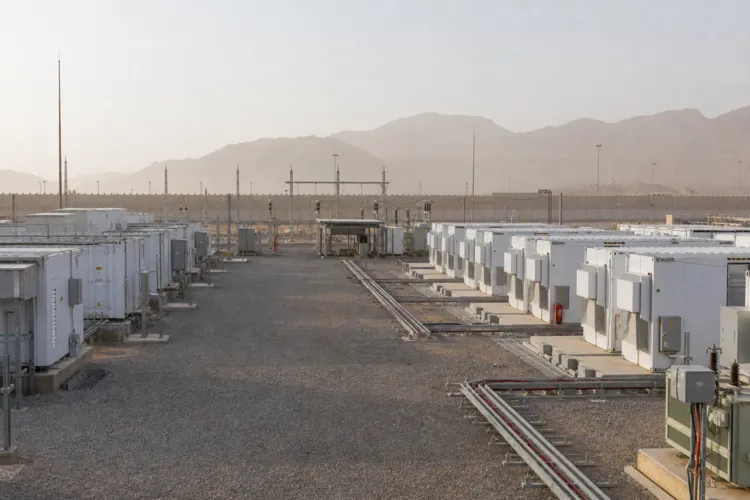
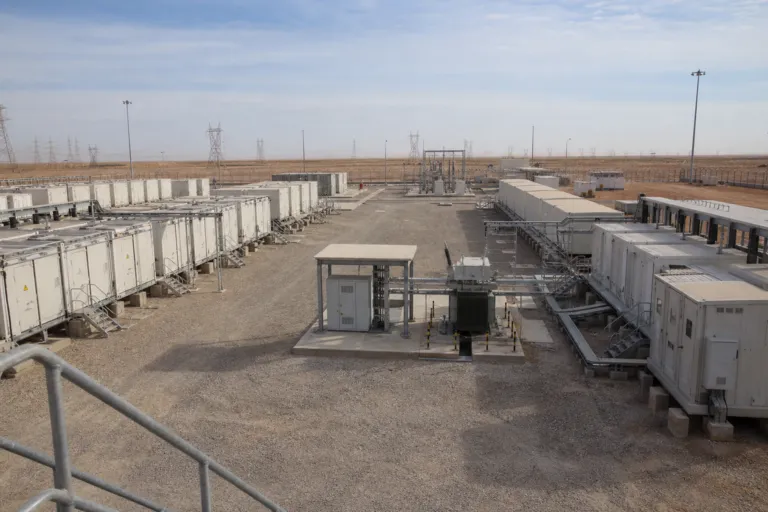
Storage and protection equipment are also being pulled into the modernization agenda because they enable stable renewable integration. One analysis stated that a 130 GW renewable target to supply 50% of electricity by 2030 would necessitate approximately 48 GWh of battery storage deployment to ensure grid stability. It also reported that in September 2025, SEC secured contracts for two battery energy storage systems totaling 4.9 GWh. In September 2024, Huawei announced completion of a microgrid power station in Saudi Arabia for the Red Sea New City project with 400 MW of photovoltaic generation and 1.3 GWh of energy storage. At the same time, NREP targets of 130 GW were described as including 58.7 GW from solar and 40 GW from wind, which increases the need for high-capacity circuit protection at integration points where variable load conditions can stress grid assets.
Why is grid modernization in Saudi Arabia becoming urgent now?
What is the size of the grid modernization plan mentioned for Saudi Arabia?
How much battery storage is referenced for supporting renewable integration?
What role do smart meters and automation play in Saudi grid upgrades?
How is Saudi Electricity Company investing in the network buildout?
Talk to us for your needs in:
-
Energy Efficiency Strategy & Feasibility
-
Renewable Energy Strategy & Investment Advisory
-
Digital Energy & Smart Grid Strategy
-
Market Entry Strategy
-
Sustainability & Impact Strategy
-
Energy Project Governance & PMO Advisory
-
Energy Market Research
-
Energy Stakeholder & Customer Research
-
Energy Market Intelligence
-
Energy Feasibility & Investment Assessment
-
Energy Sector Benchmarking & Performance Strategy