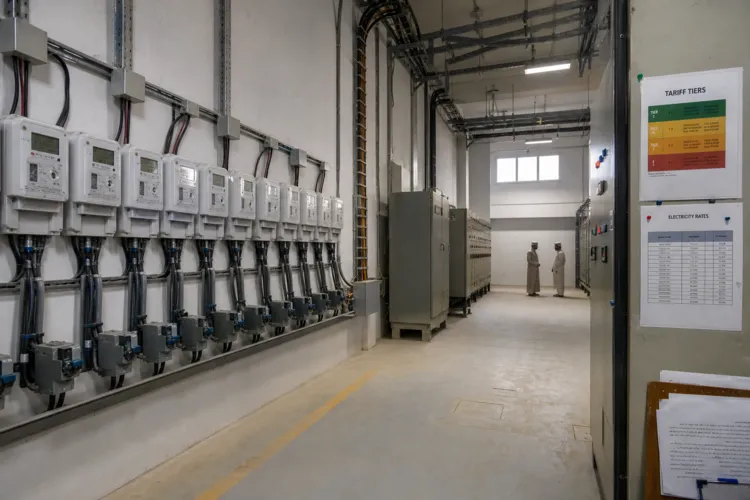
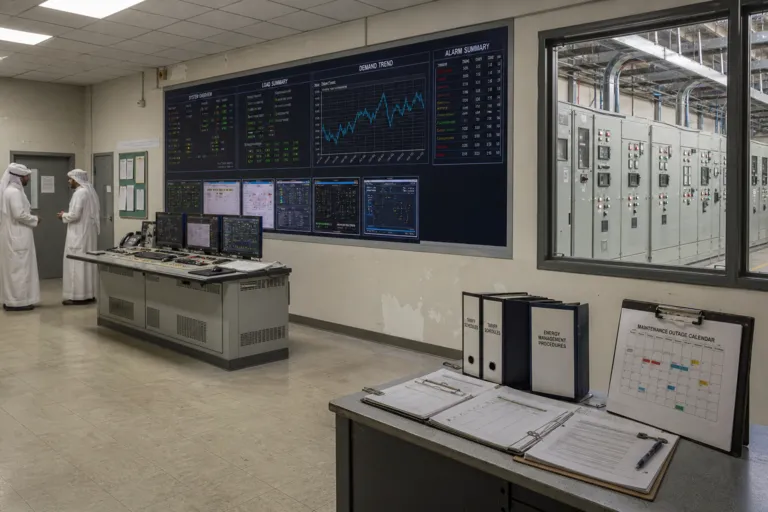
Benchmarking industrial energy efficiency in Saudi Arabia starts with the signals large electricity users see in prices and system planning. A key shift was the 2018 electricity rate restructuring, which moved industrial tariffs to 18 halala/kWh and linked quarterly adjustments to Brent and Henry Hub benchmarks. The same source notes that tariff reforms have made industrial and commercial customers active investors in on-site generation and efficiency. In parallel, the power system itself is expanding: one source cites expectations that Saudi Arabia’s power generation market grows from 87.81 GW in 2024 to 116.41 GW by 2029, at a 5.80% CAGR (2024–2029). For factories and process plants, these figures frame a practical baseline: higher, more market-linked prices plus rising capacity needs increase the value of measured efficiency and controllable load.
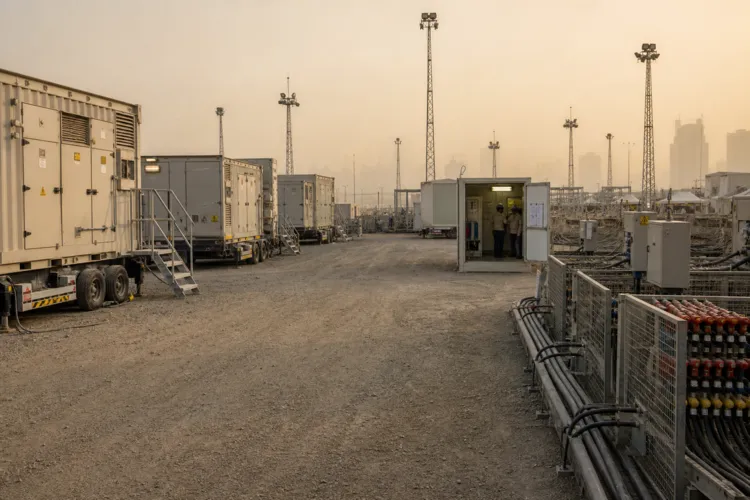
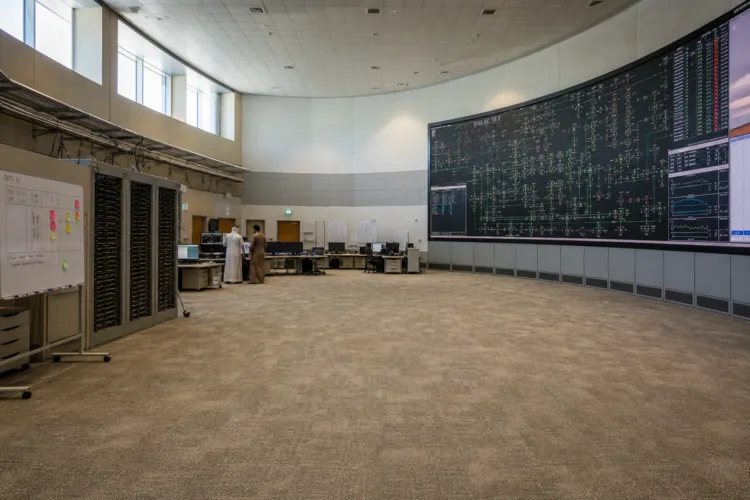
For big consumers, benchmarking also means tracking where the grid is headed, because grid reliability and flexibility determine the payoff of controls, storage-ready designs, and behind-the-meter supply. Saudi Electricity Company (SEC) reported directly owned capacity of 56.4 GW in 2024, described as 61% of the Kingdom’s total capacity, and 2% year-on-year growth. On investment, the same source states SEC’s 2023 capex was $10.9 billion, a 51.8% increase from 2022, and that in 2024 it deployed $16 billion into generation, transmission, distribution, and general projects, a 43.8% increase on the previous year. Separately, another source points to a USD 20 billion modernization plan anchored in high-voltage direct-current (HVDC) links and smart meters. These figures help industrial operators benchmark how quickly grid capability is changing around them.
Where the Biggest Efficiency Levers Show Up for Industrial Users
One clear lever is electrified equipment efficiency, especially motors and drives that dominate many industrial loads. A cited market article states that Saudi Aramco’s energy conservation initiatives require upgrading 18,000 motors across refineries and processing facilities to variable frequency drive-controlled premium efficiency models, reducing energy consumption by 320 GWh annually. The same source also claims a regulation affects 65,000 industrial facilities and that mining operations use 45,000 motors for crushing, conveying, and ventilation systems. Even if facilities differ, these figures offer benchmarking cues: large-scale motor replacement programs can be framed in terms of motor counts and verified annual electricity savings, not generic promises. In practice, tracking upgrades by motor population and measured GWh reduction creates a comparable efficiency scorecard across sites.
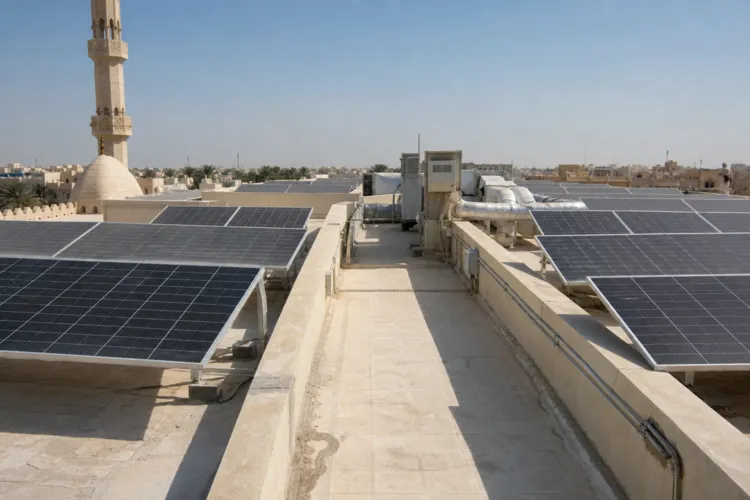
Another lever is the interaction between industrial loads and the broader shift in generation mix. One source states Vision 2030 requires renewables to supply half of the Kingdom’s electricity by decade-end, and another states the government has pledged to generate 50% of the country’s electricity from renewable sources by 2030. Progress indicators include the National Renewable Energy Program awarding 21 projects totaling 19 GW, with seven plants (4.1 GW) operating by late 2024, and grid-connected renewables reaching 6.5 GW in 2024 and scheduled to reach 12.7 GW in 2025. The same source reports ultra-low tariffs at Sakaka Solar (2.32 cents/kWh) and Dumat Al Jandal Wind (2.13 cents/kWh), and adds that renewables already displace 50,000 barrels per day of crude burn. For industrial energy managers, this is a benchmarking context for supply-side change, procurement timing, and the value of flexibility.
Finally, benchmarking big consumers requires measuring how fast efficiency and digital tools are becoming part of normal operations. A services forecast states energy consumption is projected to increase by 3.5% annually and that the government has set a target to reduce energy consumption by 30% in the future, while describing manufacturing and oil and gas as the largest consumers of MEP services for efficient energy management. In digital infrastructure, an analytics report describes Saudi Arabia’s energy and utilities analytics market growing at an 11.5% compound annual growth rate, positioning analytics as critical infrastructure for operational efficiency. Together, these signals support a practical baseline for industrial energy efficiency in Saudi Arabia: track tariff exposure (18 halala/kWh), prioritize proven equipment savings (320 GWh/year from 18,000 motor upgrades), and align site benchmarks with a grid that is modernizing through multi-billion-dollar capex and rising renewables capacity.
What changed in industrial electricity pricing that affects efficiency decisions in Saudi Arabia?
How fast is Saudi Arabia’s power generation market expected to grow?
What is a concrete example of measured industrial electricity savings from efficiency upgrades?
What renewables capacity milestones can industrial energy managers use for benchmarking in Saudi Arabia?
How should companies approach industrial energy efficiency in Saudi Arabia when benchmarking big consumers?
Talk to us for your needs in:
-
Energy Efficiency Strategy & Feasibility
-
Renewable Energy Strategy & Investment Advisory
-
Digital Energy & Smart Grid Strategy
-
Market Entry Strategy
-
Sustainability & Impact Strategy
-
Energy Project Governance & PMO Advisory
-
Energy Market Research
-
Energy Stakeholder & Customer Research
-
Energy Market Intelligence
-
Energy Feasibility & Investment Assessment
-
Energy Sector Benchmarking & Performance Strategy