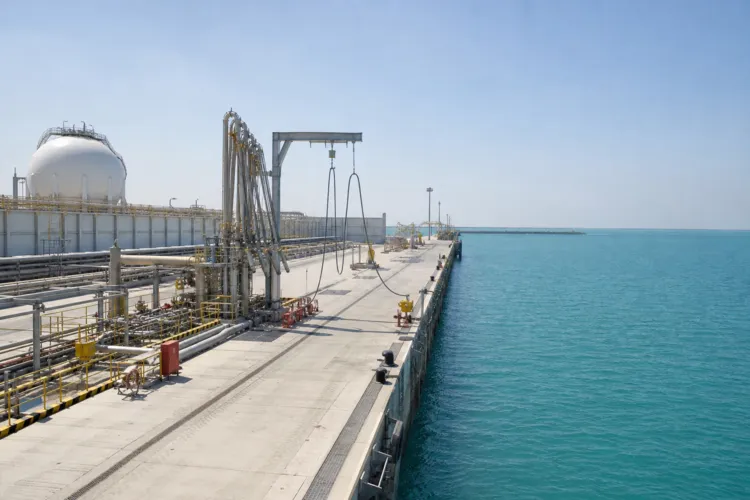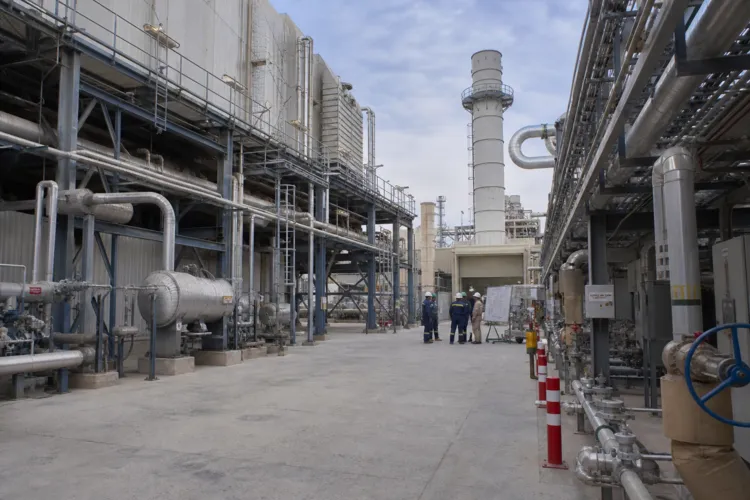
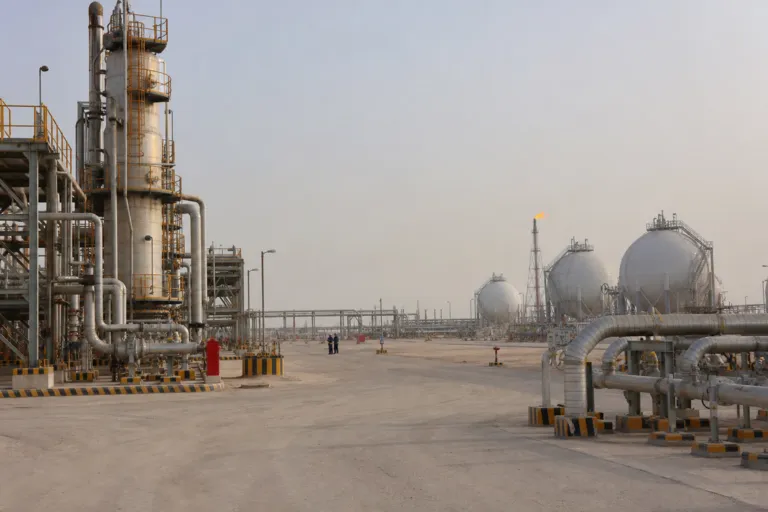
Saudi Arabia has built a global chemicals position on long-term investment and a low-cost feedstock advantage. The Kingdom ranks as the fourth-largest petrochemical producer in the world, and its petrochemical output exceeds 70 million tonnes per year across products such as polyethylene, polypropylene, ethylene glycol, methanol, and fertilisers. That scale sits alongside a clear Vision 2030 priority: push further downstream, raise value added, and capture more of the value chain domestically through new industrial complexes and integration strategies. Within that context, the Jafurah development matters because it is designed to expand the available pool of gas-derived feedstocks, not just fuel gas.
Jafurah is described as Saudi Arabia’s largest unconventional gas development in 2026, a tight-gas reservoir in the Eastern Province being developed by Saudi Aramco. The basin covers approximately 17,000 square kilometres south of the Ghawar oil field, and construction work began in 2021. The project is framed around processing raw gas to extract ethane and natural gas liquids for petrochemicals, while routing sales gas to power generation and industrial use. An estimated investment of USD 110 billion underlines the intent to build a long-lived platform that supports both domestic energy substitution and industrial expansion.
Why Jafurah Ethane Changes the Feedstock Conversation
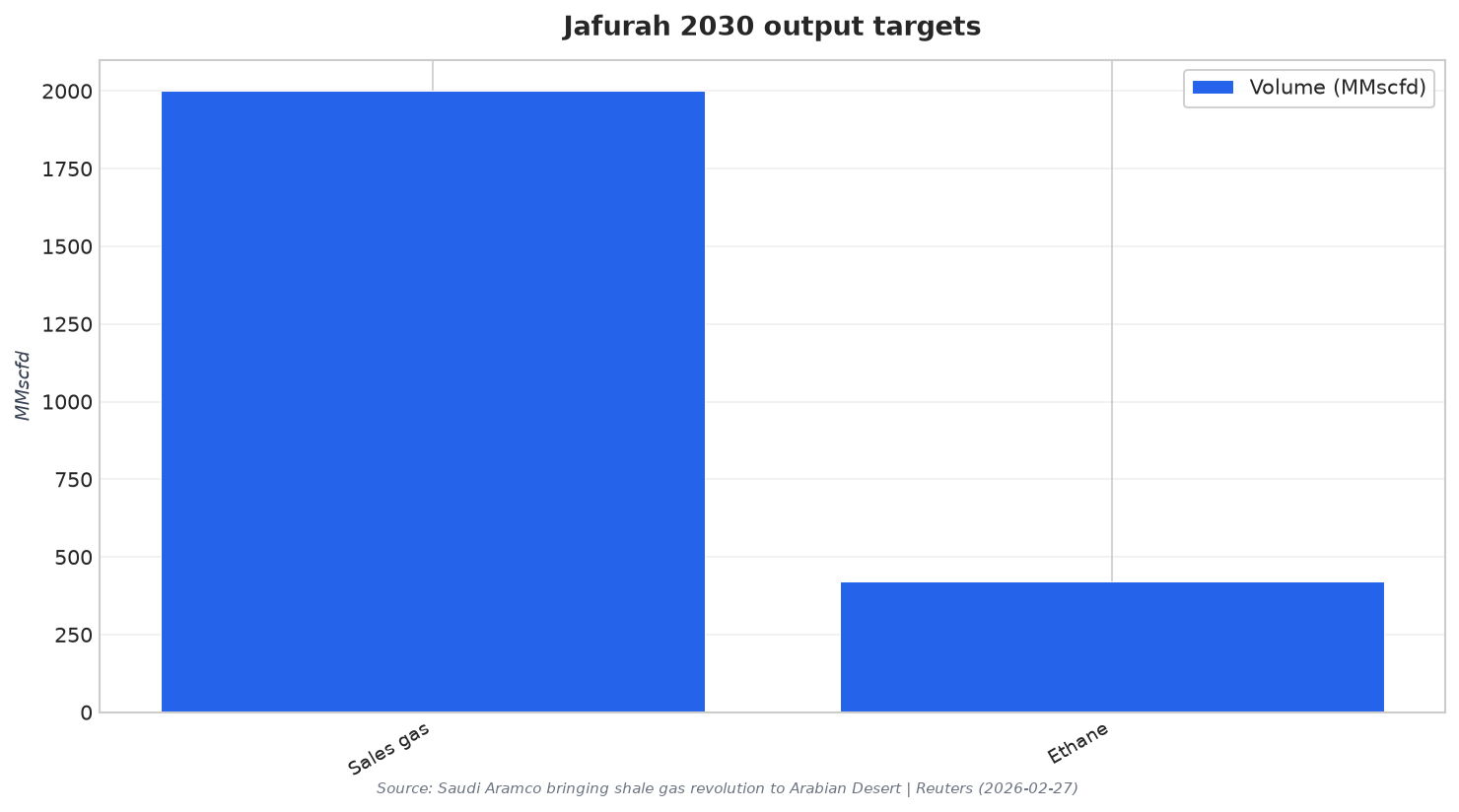
For petrochemicals, the headline is ethane availability and reliability. By 2030, Jafurah is expected to deliver up to 2 Bscfd of sales gas, 420 MMscfd of ethane, and approximately 630,000 bpd of high-value liquids. Reuters reports the same 2030 targets and adds that Jafurah could produce up to 1 million bpd of condensates at peak, citing a source with knowledge of the matter. Condensates can be processed to produce petrochemical feedstock naphtha and other refined products, but analysts also flag uncertainty about the ramp-up pace and how much condensate will be exported versus used as domestic feedstock.
This matters because Saudi gas policy is tied to both industry and the power system. Saudi Arabia’s total domestic gas consumption exceeds 10 billion standard cubic feet per day, driven by power generation, petrochemical feedstock, desalination, and industrial consumption. The government policy focus is to displace liquid fuels from power generation in favour of gas, freeing crude for export and reducing the carbon intensity of the power sector. Reuters notes that Saudi Arabia uses more than 1 million bpd of crude and fuel oil for domestic power generation. Vision 2030 sources also state that Jafurah could supply approximately one-third of the Kingdom’s total gas requirements at full development.
Downstream, the competitive advantage is reinforced by pricing and integration. One Vision 2030 encyclopedia source states that ethane used as petrochemical feedstock is priced at USD 1.75 per MMBtu, a regulated level intended to support industrial competitiveness. At the corporate level, Aramco’s acquisition of a 70 percent stake in SABIC in 2020 was valued at USD 69.1 billion, reshaping the sector into a more vertically integrated energy-chemicals system. In practical terms, Jafurah ethane becomes a new lever in the wider strategy for petrochemical feedstock in Saudi Arabia, supporting growth while reducing competition for existing ethane supplies.
What is Jafurah’s ethane target, and why does it matter for petrochemicals?
How much gas is Jafurah expected to produce by 2030?
How does Jafurah link to Saudi Arabia’s domestic energy substitution goals?
What regulated ethane price is cited for petrochemical feedstock in Saudi Arabia?
How does the Jafurah ethane petrochemical feedstock story fit Saudi Arabia’s chemicals sector scale?
Talk to us for your needs in:
-
Energy Efficiency Strategy & Feasibility
-
Renewable Energy Strategy & Investment Advisory
-
Digital Energy & Smart Grid Strategy
-
Market Entry Strategy
-
Sustainability & Impact Strategy
-
Energy Project Governance & PMO Advisory
-
Energy Market Research
-
Energy Stakeholder & Customer Research
-
Energy Market Intelligence
-
Energy Feasibility & Investment Assessment
-
Energy Sector Benchmarking & Performance Strategy