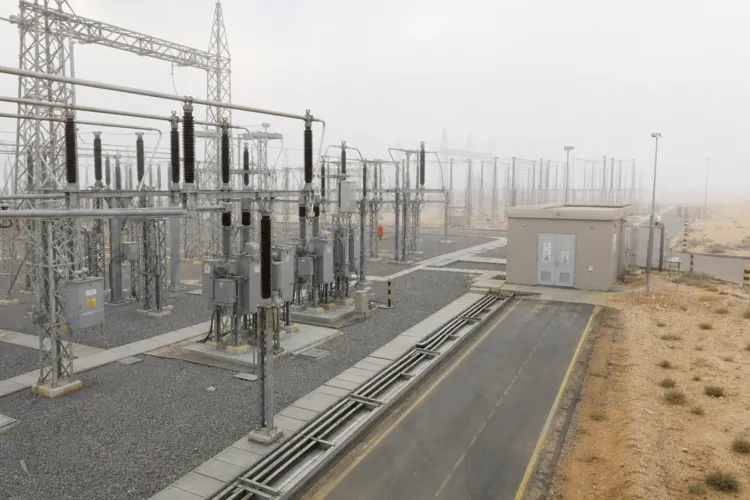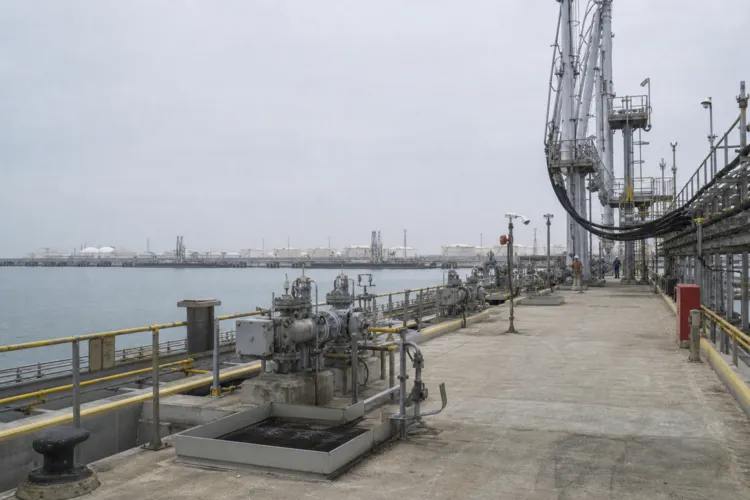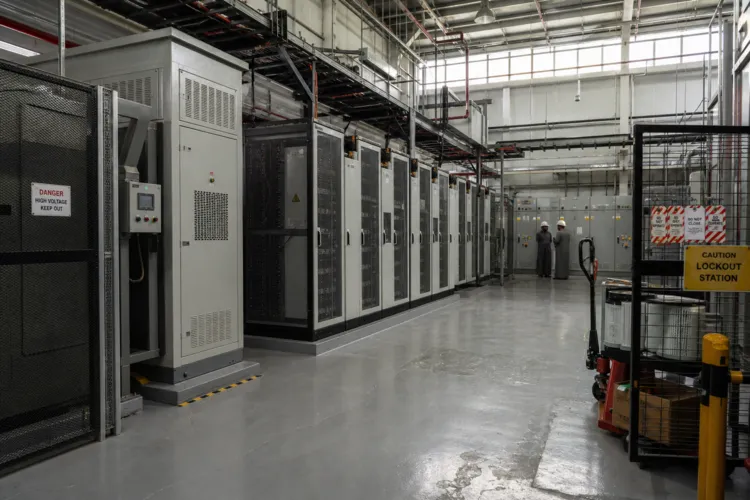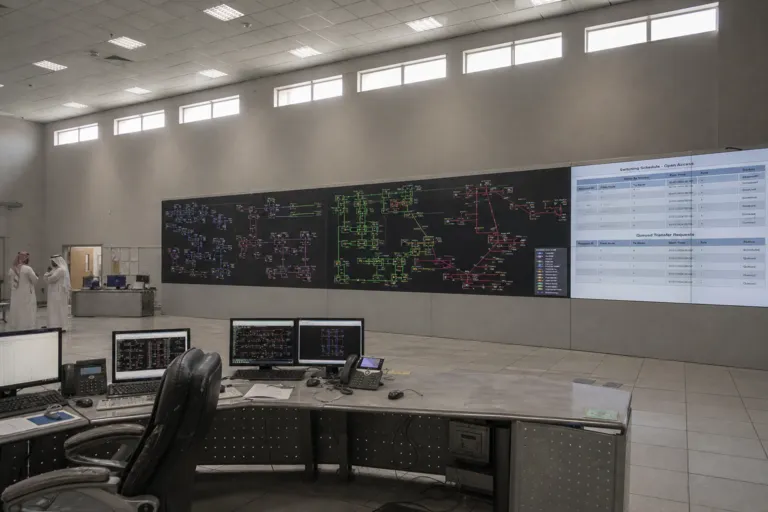
Power wheeling in Saudi Arabia sits inside a power system that is scaling up and modernizing fast. The Saudi Arabia power generation market is expected to grow from 87.81 GW in 2024 to 116.41 GW by 2029, at a 5.80% CAGR (2024–2029), according to Mordor Intelligence. Saudi Arabia has also pledged that 50% of the country’s electricity will come from renewable sources by 2030. In that context, open access rules for private electricity sales matter because they are about how new generators and large consumers can use transmission and distribution networks to deliver power where it is needed.
Open access is closely tied to the practical realities of grid buildout. SEC remains the vertically integrated utility involved in generation, transmission, and distribution, and it continues to invest heavily in grid infrastructure to meet rising demand. In 2023, SEC’s capex program was $10.9 billion, a 51.8% increase from 2022. In 2024, SEC deployed $16 billion into generation, transmission, distribution, and general projects, a 43.8% increase on the previous year. These figures are relevant to wheeling because private sales depend on available capacity, operational reliability, and the ability to connect projects and customers to a grid that can carry the contracted electricity.
Why Open Access Matters for Private Power Deals
Private electricity sales accelerate when customers can plan, connect, and transact quickly. Mordor Intelligence notes that independent power producer participation is expanding rapidly because streamlined licensing now clears projects in six months for plants below 500 MW, which is described as a quarter of the previous timeline. Demand-side conditions also shape deal appetite. Cooling loads create 70% of summer peaks, and tariff reforms have made industrial and commercial customers active investors in on-site generation and efficiency. For open access, this combination supports a wider pipeline of projects and more sophisticated buyers that can structure long-term supply arrangements.
Renewables expansion adds urgency to clear network access and dispatch coordination. Mordor Intelligence reports that grid-connected renewables reached 6.5 GW in 2024 and are scheduled to double to 12.7 GW in 2025. It also states that the NREP has awarded 21 projects totaling 19 GW, with seven plants equal to 4.1 GW operating by late 2024. The same source highlights very low tariffs for benchmark projects, citing Sakaka Solar at 2.32 cents/kWh and Dumat Al Jandal Wind at 2.13 cents/kWh. These outcomes increase interest in moving electricity across the grid to match low-cost generation with qualified demand.
Network modernization is a recurring theme in the market outlook, and it directly supports wheeling-style transactions. Mordor Intelligence describes a USD 20 billion modernization plan anchored in HVDC links and smart meters to integrate a fast-growing renewable fleet, while noting that grid bottlenecks persist. Capacity ownership also matters for how access is arranged. Trade.gov reports that in 2024 SEC’s directly owned capacity stood at 56.4 GW, representing 61% of the Kingdom’s total capacity, with 2% year-on-year growth. Against that backdrop, the power wheeling Saudi Arabia conversation becomes less theoretical and more operational: open access depends on modern interconnections, metering, and stable rules that can handle growing volumes and more counterparties.
What is driving interest in open access and private electricity sales in Saudi Arabia?
How fast is Saudi Arabia’s generation market expected to grow?
What signals show the grid is being prepared for more renewable power flows?
How does licensing speed affect wheeling-style private power projects?
How does power wheeling in Saudi Arabia relate to SEC’s role in the system?
Talk to us for your needs in:
-
Energy Efficiency Strategy & Feasibility
-
Renewable Energy Strategy & Investment Advisory
-
Digital Energy & Smart Grid Strategy
-
Market Entry Strategy
-
Sustainability & Impact Strategy
-
Energy Project Governance & PMO Advisory
-
Energy Market Research
-
Energy Stakeholder & Customer Research
-
Energy Market Intelligence
-
Energy Feasibility & Investment Assessment
-
Energy Sector Benchmarking & Performance Strategy