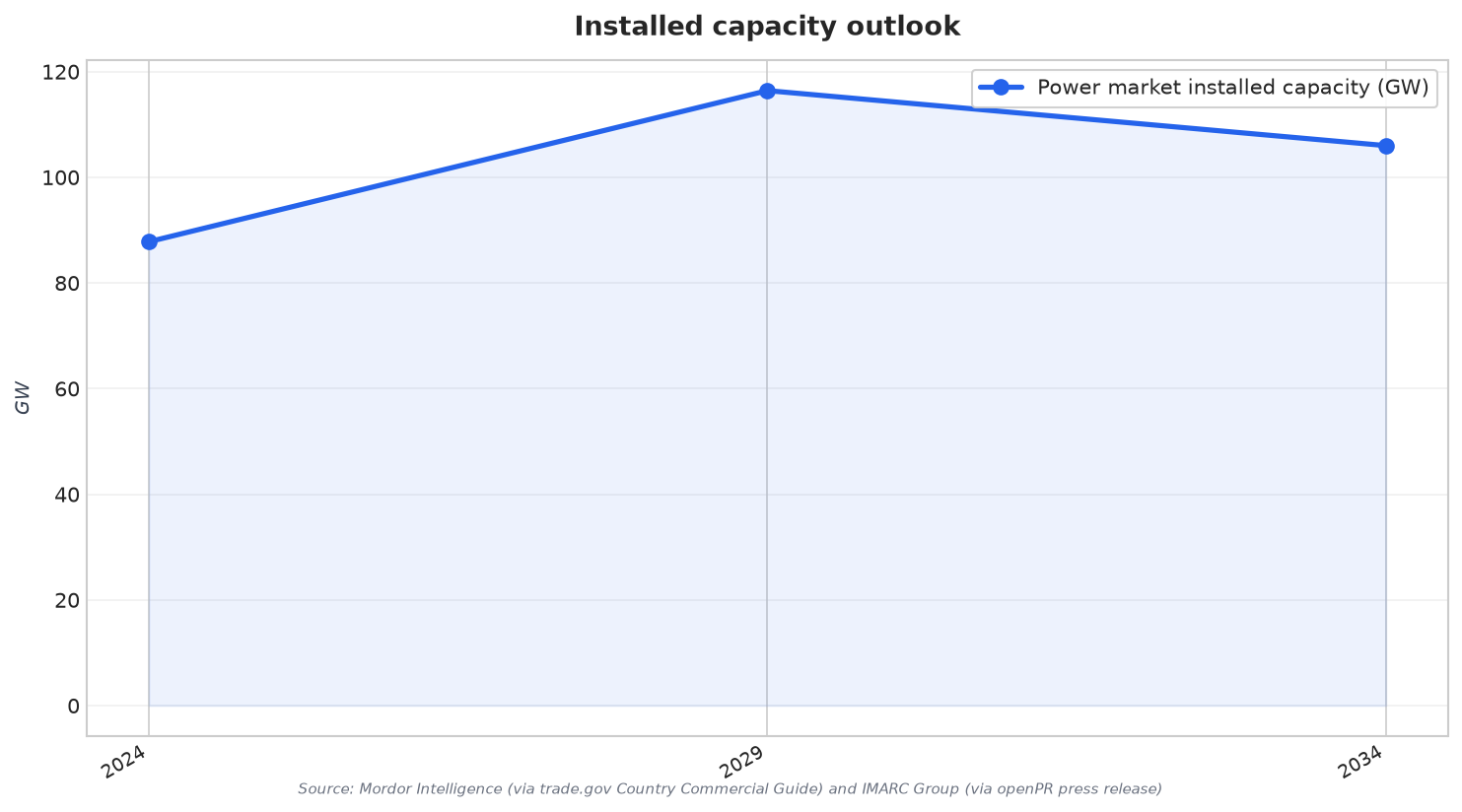
Privatizing Saudi Arabia’s power sector is unfolding alongside a broader buildout of generation, transmission, distribution, and smart grid capability. The U.S. Department of Commerce notes the Kingdom is enhancing capacity to meet rising residential and commercial demand and to diversify the domestic energy mix. One forecast cited there expects installed power generation capacity to grow from 87.81 GW in 2024 to 116.41 GW by 2029 at a 5.80% CAGR (2024–2029). In parallel, the Ministry of Energy’s spending on power and renewable energy projects is expected to reach USD 293 billion by 2030, anchoring an investment backdrop in which private participation becomes more practical and more necessary.
Any “road beyond SEC” starts with today’s structure. SEC is described as a vertically integrated utility involved in generation, transmission, and distribution, and it “enjoys a monopoly” across those functions. It is also investing heavily to expand grid infrastructure. In 2023, SEC’s capex program amounted to USD 10.9 billion, a 51.8% increase from 2022, aimed at secure, reliable, and sustainable electricity. In 2024, SEC’s directly owned capacity was 56.4 GW, representing 61% of the Kingdom’s total capacity and 2% year-on-year growth. SEC also deployed USD 16 billion in 2024 across generation, transmission, distribution, and general projects, a 43.8% increase on the previous year.
What Changes When Private Participation Accelerates
Reform signals increasingly point to faster private development pathways and more competitive procurement. Mordor Intelligence reports that IPP participation is expanding because streamlined licensing now clears projects in six months for plants below 500 MW, which it describes as a quarter of the previous timeline. The same source highlights tariff reforms that moved residential prices to a 5–32 halala/kWh tier and industrial tariffs to 18 halala/kWh in 2018, linking quarterly adjustments to Brent and Henry Hub benchmarks. These price signals are tied to customer action: large factories in Jubail and Yanbu have signed behind-the-meter solar PPAs over 100 MW each, and energy-service companies are retrofitting commercial towers with measures that cut cooling consumption by 20%, with paybacks under four years under the new tariff regimes.
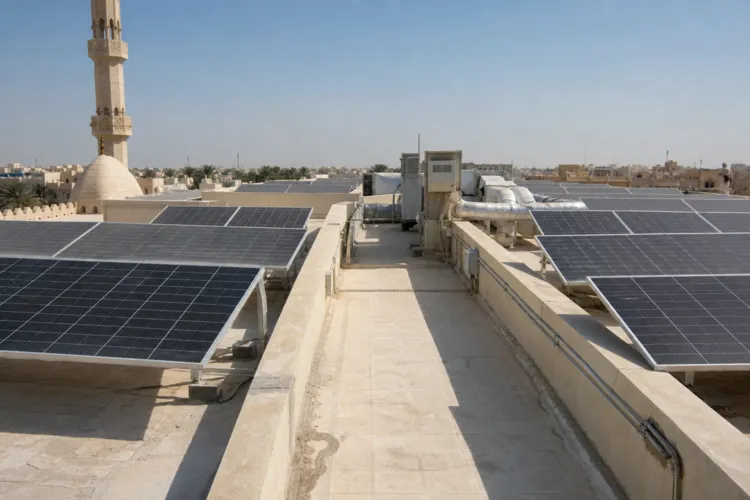
Renewables procurement is another lever that can shift the market away from a single incumbent’s dominance. The Saudi government has pledged to generate 50% of the country’s electricity from renewable sources by 2030. Mordor Intelligence states that the National Renewable Energy Program (NREP) has awarded 21 projects totaling 19 GW, with seven plants equal to 4.1 GW operating by late 2024. It also reports grid-connected renewables reached 6.5 GW in 2024 and are scheduled to double to 12.7 GW in 2025. Those dynamics matter for power sector privatization in Saudi Arabia because they widen the set of investable assets and create repeat procurement cycles that can attract developers, EPC firms, and long-term offtakers.
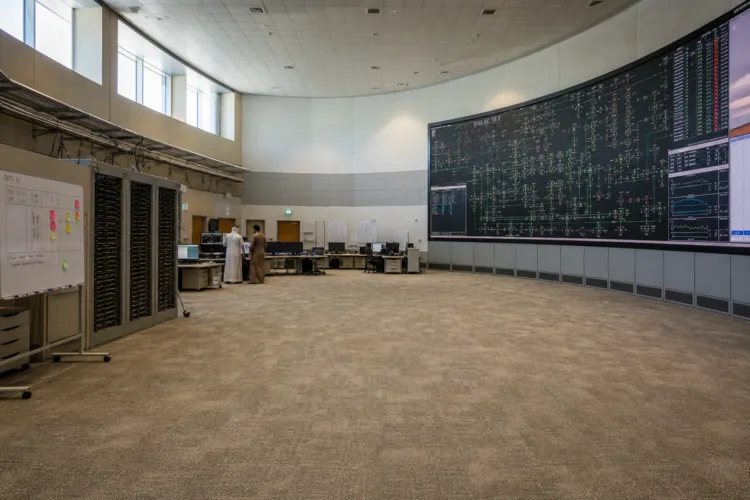
Grid execution and market structure will determine how quickly the “beyond SEC” phase materializes. Mordor Intelligence points to grid bottlenecks and a USD 20 billion modernization plan anchored in HVDC links and smart meters to integrate a fast-growing renewable fleet. On the delivery side, MarkWide Research says stakeholders must monitor the pace of SEC unbundling and private sector participation rules because these will shape whether integrated developer–EPC consortia or pure engineering contractors win the next gigawatt-scale awards. The same source notes NREP tenders enforce domestic content rules and that public bidding requires GOSI contractor qualification and Saudi workforce ratio compliance, which affects how private entrants structure partnerships and localize delivery.
What is driving power sector privatization in Saudi Arabia beyond SEC’s current role?
How much of Saudi Arabia’s total capacity does SEC directly own?
What are the key numbers behind Saudi Arabia’s renewables procurement progress?
What electricity tariff reforms are mentioned in the sources?
How large are the grid and power investment programs cited for Saudi Arabia?
Talk to us for your needs in:
-
Energy Efficiency Strategy & Feasibility
-
Renewable Energy Strategy & Investment Advisory
-
Digital Energy & Smart Grid Strategy
-
Market Entry Strategy
-
Sustainability & Impact Strategy
-
Energy Project Governance & PMO Advisory
-
Energy Market Research
-
Energy Stakeholder & Customer Research
-
Energy Market Intelligence
-
Energy Feasibility & Investment Assessment
-
Energy Sector Benchmarking & Performance Strategy