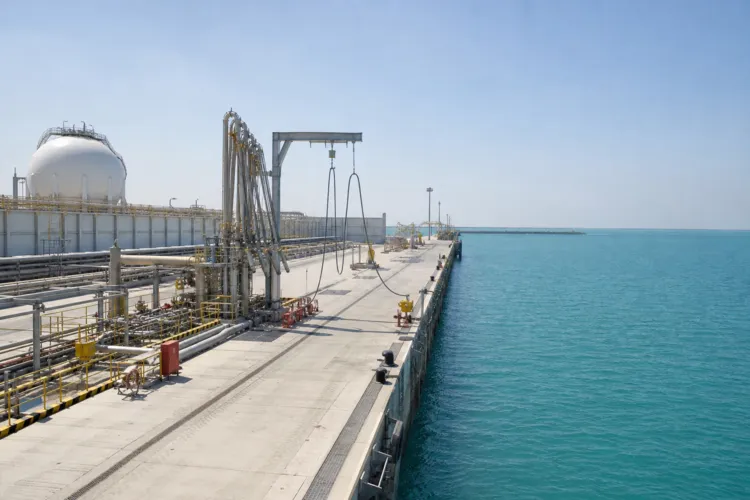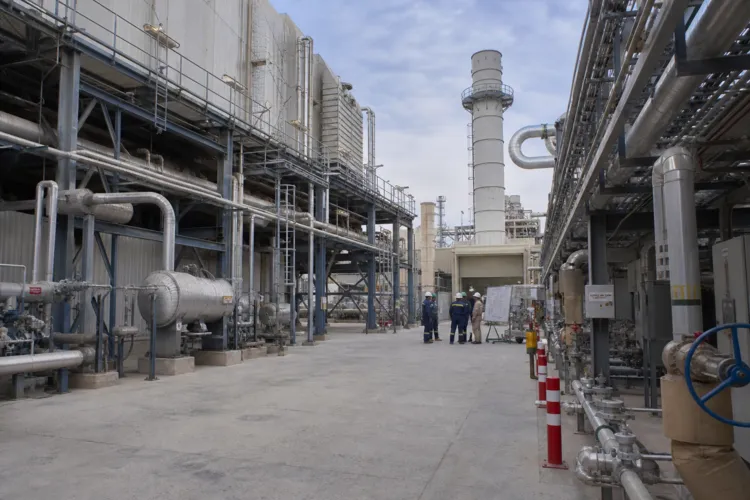
Saudi Arabia’s water system is also an energy system. The Kingdom’s desalination and water transmission consume approximately 20% of Saudi Arabia’s electricity production, which makes the water sector one of the country’s largest energy consumers. That is why the water energy nexus saudi arabia conversation increasingly centers on how to produce freshwater without locking in higher power demand. Saudi Arabia’s desalination production capacity is described as 9 million m³/day, and the sector’s scale creates room for technology upgrades that can reduce net energy consumption while keeping reliability high.
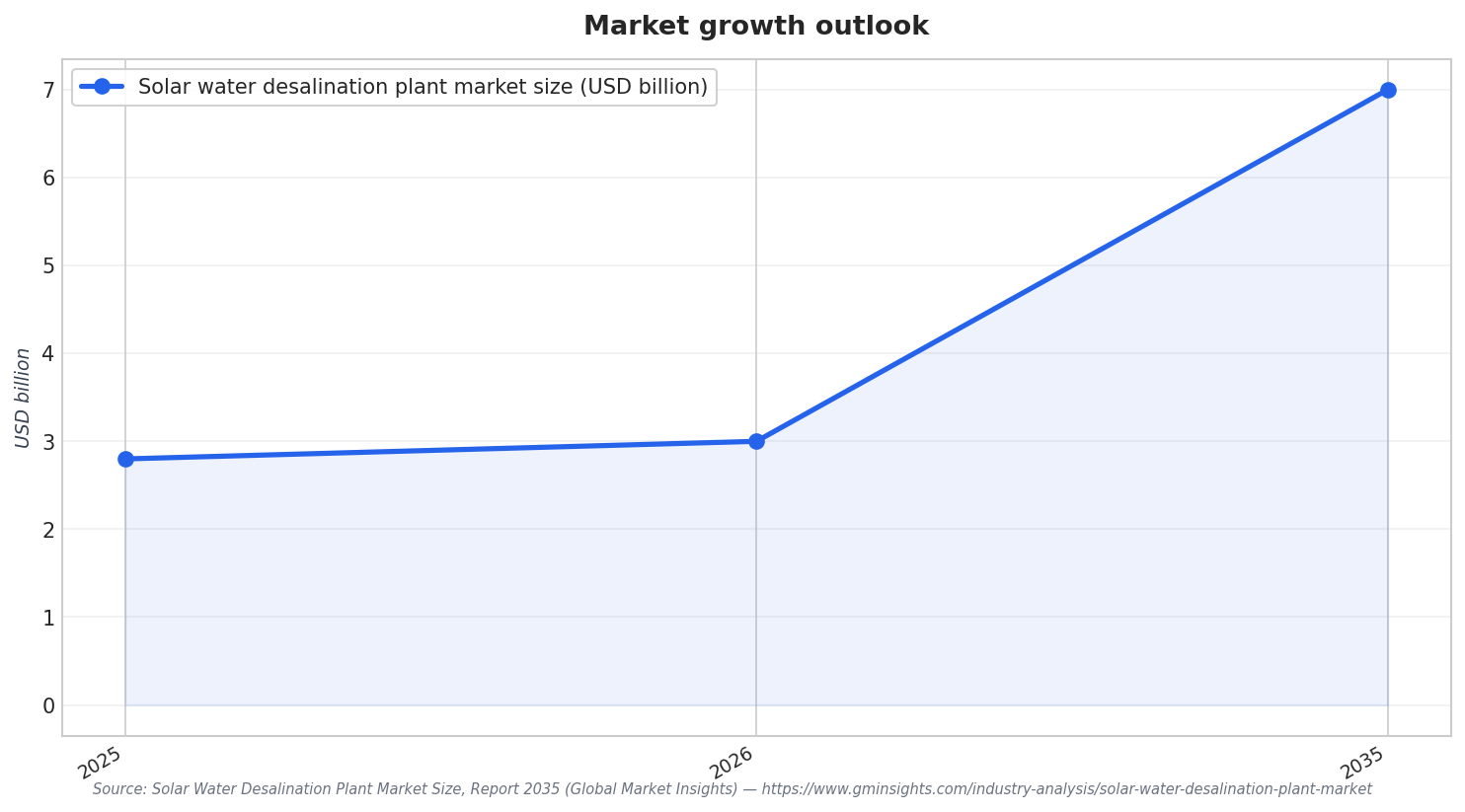
Reverse osmosis (RO) sits at the center of this shift. In Saudi Arabia’s desalination market segmentation, RO remains the dominant segment due to energy efficiency and scalability, while thermal technologies such as MSF and MED continue to play significant roles in large-scale projects. Seawater is described as the largest and fastest-growing source segment, reflecting reliance on coastal desalination for municipal and industrial demand. On the investment side, Saudi Arabia’s water desalination tech and services market is valued at approximately USD 6 billion, supported by expanding infrastructure and a push toward sustainable technologies and operational efficiency.
Renewables + RO: What Changes in Plant Design and Economics
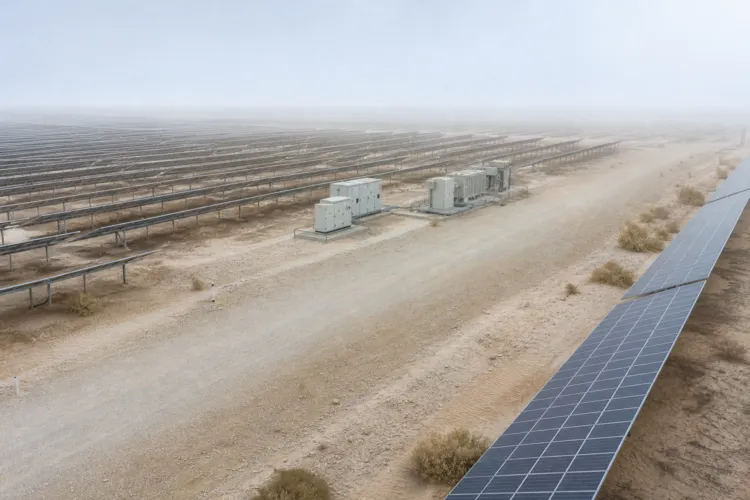
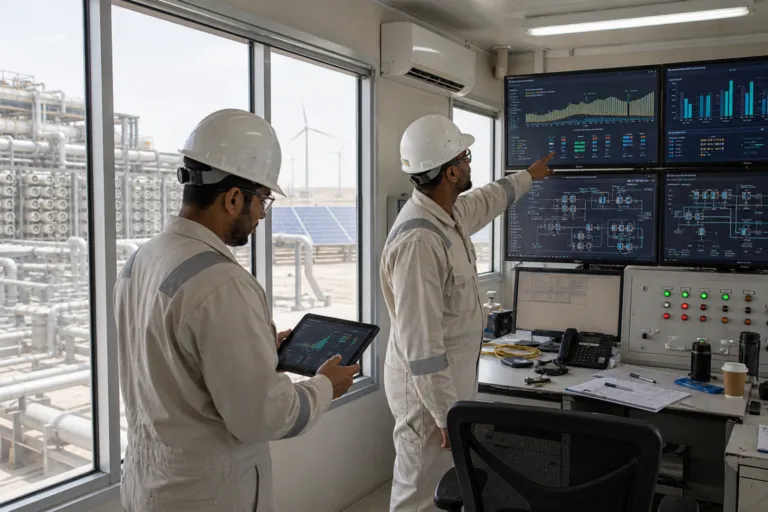
Renewable integration is not theoretical. Saudi-focused sector analysis highlights renewable-powered desalination—particularly solar PV integrated with desalination—as a frontier, and it also points to wind-powered desalination as part of the toolkit. Energy recovery devices in modern RO plants (pressure exchangers) can reduce net energy consumption by 40–60% relative to systems without energy recovery, improving the value of every kilowatt-hour supplied by solar or wind. In parallel, Saudi institutions including KAUST are described as conducting membrane research aimed at higher permeability, greater salt rejection, longer life, and reduced fouling, all of which supports lower energy use and cost over time.
Saudi Arabia also has project structures and developers that can scale these approaches. ACWA Power desalination projects are described as being structured as BOO or BOOT concessions, with 25–30 year offtake agreements with SWCC or the Water Transmission and Desalination Company (now WEC). NEOM desalination is described as designed to operate on 100% renewable energy, reinforcing a direction of travel for giga-project procurement. Internationally, ACCIONA is described as a global leader in large-scale seawater reverse osmosis (SWRO) and as designing, building, and operating facilities integrated with renewable energy, including solar-powered systems in regions like Saudi Arabia.
For planners, costs and fit-for-purpose design still matter. One market report states that actual costs of solar desalination plants can be anywhere from USD 900 to USD 4,800 per cubic meter, depending on technology, plant size, and regional variables, and it cites Saudi Arabia’s Al Khafji Solar Desalination Plant as an example project. At smaller scales, a Saudi-focused techno-economic study models standalone solar, wind, and hybrid solar-wind configurations coupled with battery or pumped hydro storage to power RO plants designed for 1,000 homes in Yanbu, Jeddah, and Jazan, with daily freshwater demands of 0.311 m³/day, 0.246 m³/day, and 0.182 m³/day respectively. Together, these inputs show how renewable-powered desalination can be engineered from household-scale needs up to national-scale systems.
Why is Saudi Arabia’s water-energy nexus so important for desalination strategy?
What is Saudi Arabia’s stated desalination production capacity in the cited sector analysis?
How can modern RO plants reduce energy use before adding renewables?
What project contracting structures are mentioned for ACWA Power desalination in Saudi Arabia?
How do the sources illustrate renewable-powered RO for smaller, off-grid needs in Saudi Arabia?
Talk to us for your needs in:
-
Energy Efficiency Strategy & Feasibility
-
Renewable Energy Strategy & Investment Advisory
-
Digital Energy & Smart Grid Strategy
-
Market Entry Strategy
-
Sustainability & Impact Strategy
-
Energy Project Governance & PMO Advisory
-
Energy Market Research
-
Energy Stakeholder & Customer Research
-
Energy Market Intelligence
-
Energy Feasibility & Investment Assessment
-
Energy Sector Benchmarking & Performance Strategy