Saudi Arabia’s power sector reform is building the operating conditions that can support a more market-based system, including the future development of the Saudi Arabia wholesale electricity spot market. Vision 2030 sets a clear direction: the Kingdom has pledged to generate 50% of its electricity from renewable sources by 2030, and another Vision 2030 requirement states that renewables should supply half of the Kingdom’s electricity by decade-end. This transition is paired with the Liquid Fuel Displacement Programme, which aims to free oil for export by switching generation toward gas and clean energy. Demand pressure remains important too, because cooling loads create 70% of summer peaks, keeping system planning focused on flexibility and reliability.
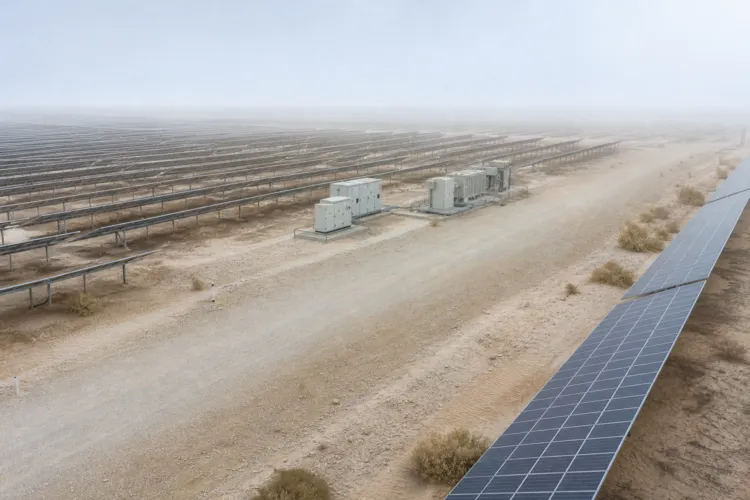
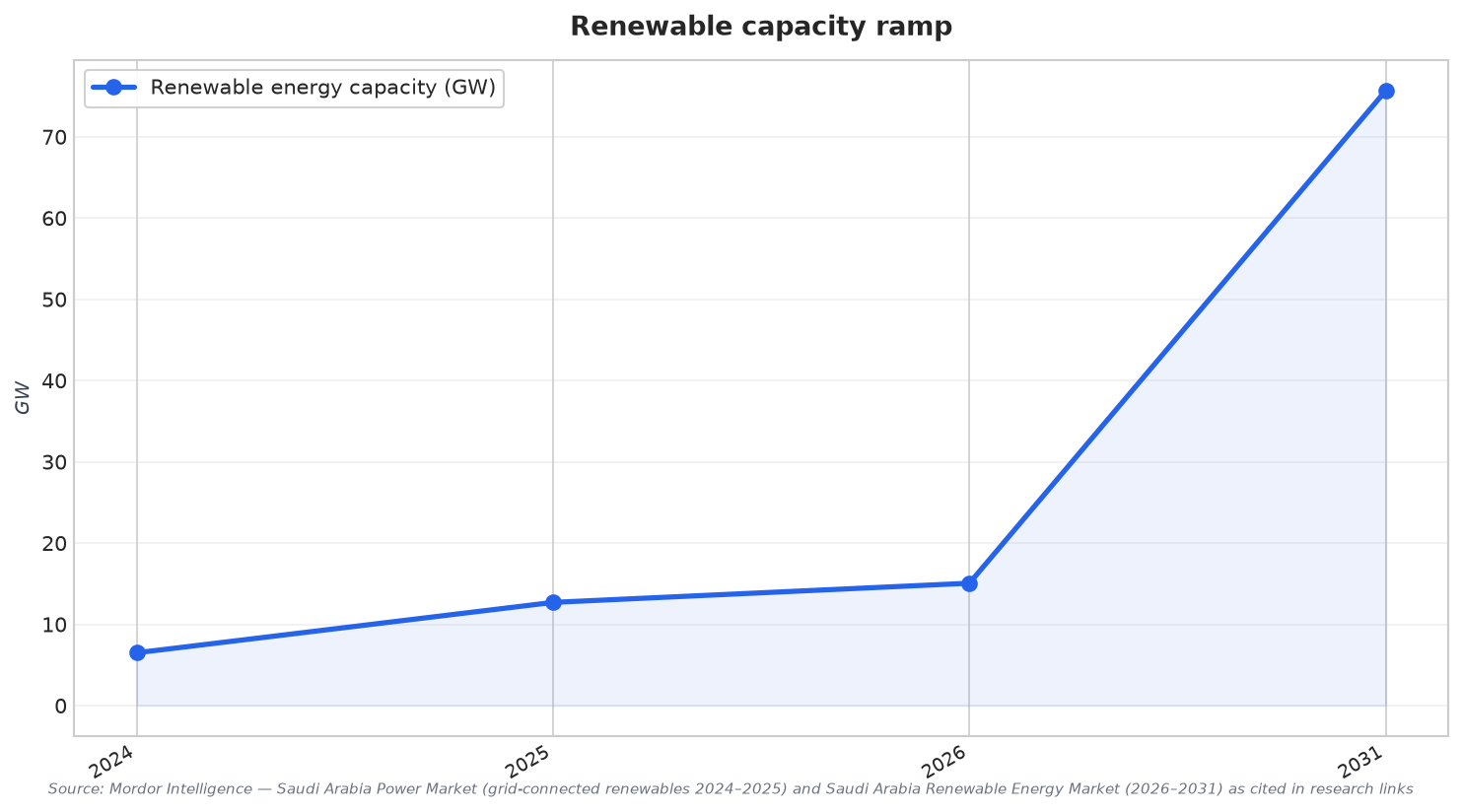
Renewables scale-up is now tangible and measurable. The National Renewable Energy Program has awarded 21 projects totaling 19 GW, and seven of these plants, equal to 4.1 GW, were operating by late 2024. Grid-connected renewables climbed to 6.5 GW in 2024 and are scheduled to double to 12.7 GW in 2025. Resource mapping campaigns covering 850,000 km² confirmed annual solar irradiation above 2,200 kWh/m² in the Eastern Province and class-II wind speeds across Northern Border and Tabuk, helping developers prioritize bankable sites. In procurement, Sakaka Solar closed at 2.32 cents/kWh and Dumat Al Jandal Wind at 2.13 cents/kWh, signaling the kind of price discovery that wholesale markets typically rely on.
Tariff Reform, Investment Signals, and Faster Project Cycles
Retail tariff reform is also changing behavior across the value chain. In 2018, rate restructuring moved residential prices to a 5–32 halala/kWh tier and industrial tariffs to 18 halala/kWh, and it linked quarterly adjustments to Brent and Henry Hub benchmarks. With these signals, industrial and commercial customers have become active investors in on-site generation and efficiency. Large factories in Jubail and Yanbu have signed behind-the-meter solar power-purchase agreements over 100 MW each, with delivered costs below two cents/kWh. Energy-service companies are retrofitting commercial towers with variable-speed drives and smart controls that cut cooling consumption by 20%, delivering payback periods under four years under the new tariff regimes.
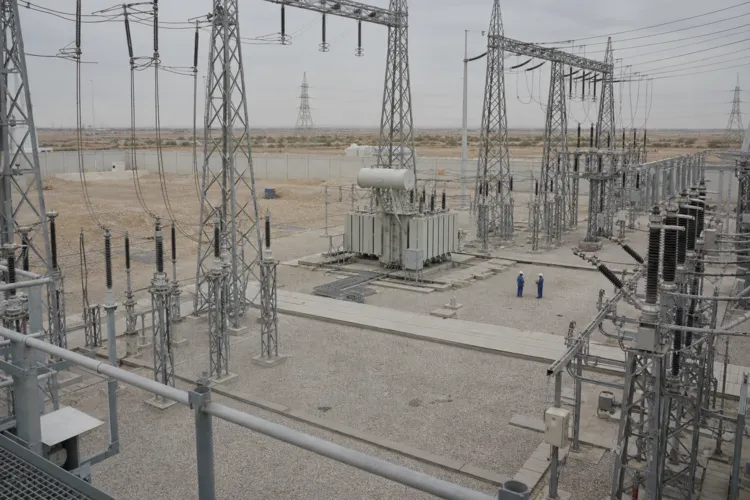
Grid readiness and utility investment determine whether competitive trading can function without reliability risks. A USD 20 billion modernization plan anchored in HVDC links and smart meters is underway to integrate a fast-growing renewable fleet, even as grid bottlenecks persist. Saudi Electricity Company (SEC) continues to ramp up spending: its 2023 capex program amounted to USD 10.9 billion, a 51.8% increase from 2022. In 2024, SEC deployed USD 16 billion into generation, transmission, distribution, and general projects, a 43.8% increase on the previous year. SEC’s directly owned capacity stood at 56.4 GW in 2024, representing 61% of the Kingdom’s total capacity, with 2% year-on-year growth.
Looking across the supply side, Saudi Arabia continues to expand overall generation while shifting the mix. According to Mordor Intelligence (as cited by Trade.gov), the Saudi Arabia power generation market is expected to grow from 87.81 GW in 2024 to 116.41 GW by 2029, at a 5.80% CAGR for 2024–2029. The Ministry of Energy’s spending on power and renewable energy projects is expected to reach USD 293 billion by 2030. In EPC delivery, one market estimate values the Saudi Arabia Power EPC Market at USD 8.7 billion in 2026 and projects it to expand to USD 19.53 billion by 2035 at a 9.40% CAGR, while also urging stakeholders to monitor the pace of SEC unbundling and private-sector participation rules—governance choices that influence how any future wholesale spot market could work in practice.
What is driving the shift toward a Saudi Arabia wholesale electricity spot market?
How much renewable capacity has Saudi Arabia awarded and brought online under NREP?
What changed in Saudi electricity tariffs in 2018?
What are the key grid investments supporting power sector reform?
What are the latest figures on SEC capacity and its share of total capacity?
Talk to us for your needs in:
-
Energy Efficiency Strategy & Feasibility
-
Renewable Energy Strategy & Investment Advisory
-
Digital Energy & Smart Grid Strategy
-
Market Entry Strategy
-
Sustainability & Impact Strategy
-
Energy Project Governance & PMO Advisory
-
Energy Market Research
-
Energy Stakeholder & Customer Research
-
Energy Market Intelligence
-
Energy Feasibility & Investment Assessment
-
Energy Sector Benchmarking & Performance Strategy