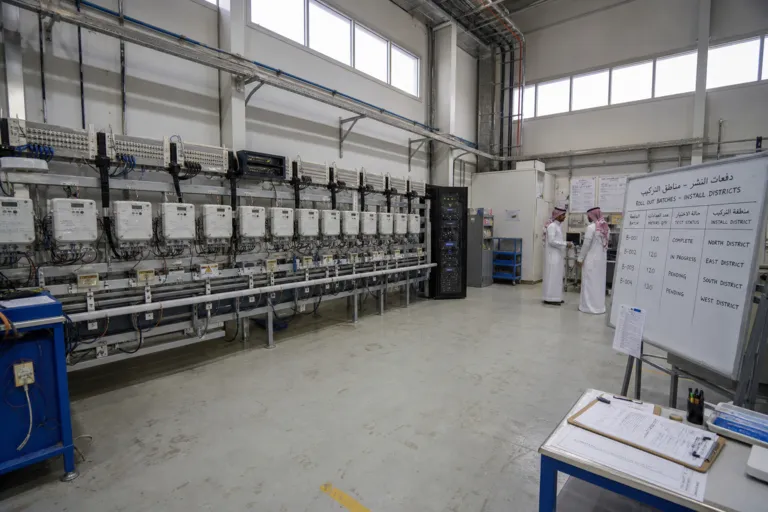
Saudi Arabia’s push toward a digital grid is increasingly anchored in advanced metering infrastructure (AMI). Mordor Intelligence describes AMI (smart metering) as an integrated system of smart meters, communications networks, and data management systems that is fundamental in the smart grid. In 2019, Saudi Electricity Co awarded a project to install 10 million smart meters across Saudi Arabia as part of a broader plan to improve power distribution, with an investment of USD 2.5 billion. Ken Research also points to continuing momentum, estimating 5 million smart meters would be installed by 2025. Together, these figures frame the pace and scale of Saudi Arabia’s meter modernization plans and why metering sits at the center of grid digitization.
The business case is tied to demand growth, system modernization, and the need for better monitoring. Mordor Intelligence reports Saudi Arabia’s electricity production rose from 333 TWh in 2014 to 383 TWh in 2018, alongside new power plants and grid network development that increased demand for smart grid and smart meters. It also notes that Saudi Arabia is investing in advanced metering infrastructure as part of efforts to modernize the electricity grid and reduce transmission and distribution losses. On the consumption side, the same source says that in 2019 residential electricity consumption rose to more than 128 TWh, while net use fell from 283 TWh in 2018 to 279 TWh in 2019. These shifts elevate the value of granular, timely data at the customer edge.
From Smart Meters to a Digital Grid Platform
A large meter program does not deliver value on its own. It needs communications, software, and integration services that turn readings into operational decisions. Global Market Insights highlights that smart grid programs require field installation, AMI rollout, system commissioning, software configuration, and OT/IT integration across multiyear projects. It also cites evidence of ongoing procurement: in July 2025, Wipro secured a multiyear smart Meter Data Management contract with Saudi Electric Company, illustrating demand for meter-data platforms and systems integration. This is where the “smart meter rollout Saudi Arabia” topic becomes more than hardware: it becomes an operating layer that connects meters, data, and grid workflows.
Network capacity is the connective tissue of AMI, and forecasts show rapid expansion for enabling technologies. Mobility Foresights projects the Saudi Arabia Smart Grid Networking Market will grow from USD 2.3 billion in 2025 to USD 5.8 billion by 2031, at a CAGR of 16.5%, driven by investments in grid automation, digital communication technologies, and AMI. On the software side, MarketsandMarkets values the Saudi Arabia Smart Grid Analytics Market at $251.3 million in 2024, projecting it to reach $430.6 million by 2029 at an 11.4% CAGR. These projections reinforce a clear pattern: smart meters create data, networks transport it, and analytics turn it into insight at scale.
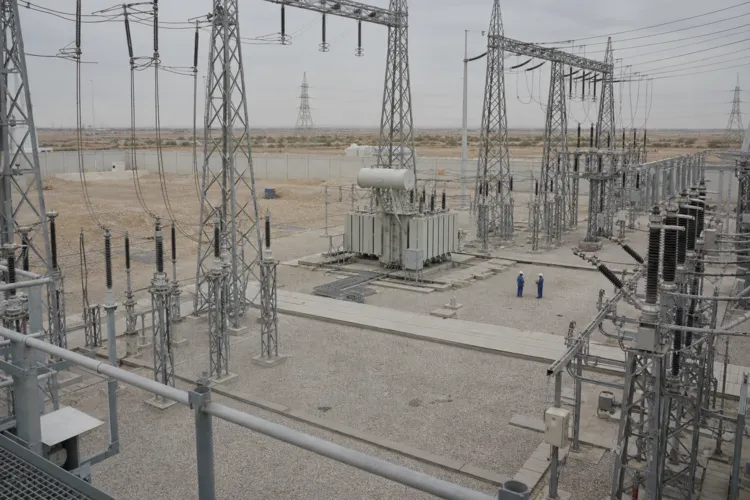
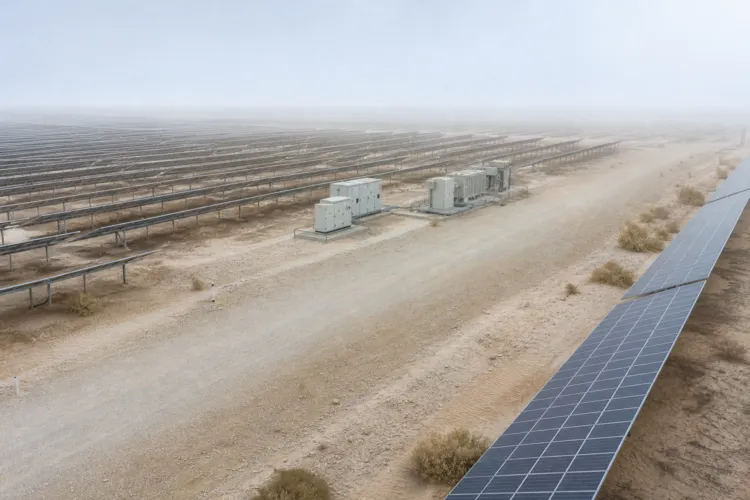
Metering and digital grid capabilities are also being pulled forward by broader grid development and energy transition plans. Mordor Intelligence states Saudi Arabia plans to deploy 40 GW of solar power capacity and 20 GW of wind and other sources by 2030, creating opportunities for smart grid players. It also points to physical grid expansion: by 2018, a total of 78 new transmission substations and 15 reinforced existing transmission substations were connected to the network with a transformation capacity of 45,351 MVA. Regionally, Mordor Intelligence cites a 2018 report forecasting Middle East & North Africa investment of USD 17.6 billion in smart grid infrastructure by 2027, with Saudi Arabia expected to hold a significant share. The message is consistent: modern metering is a foundation, but it works best when paired with transmission upgrades, networking, and digital operations.
What is Saudi Arabia’s smart meter rollout and why does it matter for the grid?
How many smart meters has Saudi Electricity Co targeted, and what investment was cited?
What evidence shows Saudi Arabia is building the software layer around smart meters?
What market forecasts highlight growth in the enabling digital infrastructure?
How do renewables plans connect to the metering and digital grid push?
Talk to us for your needs in:
-
Energy Efficiency Strategy & Feasibility
-
Renewable Energy Strategy & Investment Advisory
-
Digital Energy & Smart Grid Strategy
-
Market Entry Strategy
-
Sustainability & Impact Strategy
-
Energy Project Governance & PMO Advisory
-
Energy Market Research
-
Energy Stakeholder & Customer Research
-
Energy Market Intelligence
-
Energy Feasibility & Investment Assessment
-
Energy Sector Benchmarking & Performance Strategy