From 0 to 12 GW: Saudi Arabia’s Rapid Solar Expansion
In just five years, Saudi Arabia has transformed from a near-zero renewable energy producer to a global solar powerhouse. As of the end of 2025, the kingdom has installed 12 gigawatts (GW) of solar capacity, enough to power millions of homes. This marks a dramatic shift for a country long known for its oil dominance, signaling a bold pivot toward clean energy.
Al Shuaibah 2: A 2 GW Solar Giant in the Desert
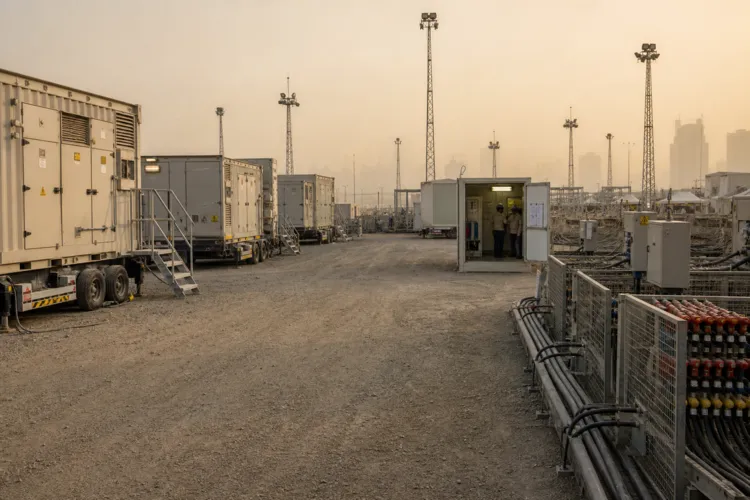
One of the most striking symbols of the Saudi solar energy boom is the Al Shuaibah 2 solar farm, located about 60 miles south of Jeddah. With a capacity of over 2 GW, it currently holds the title of the largest solar installation in the country. But not for long — larger projects are already underway, reflecting the kingdom’s aggressive push to meet its renewable energy goals.
$8.3 Billion Investment Fuels 15 GW of New Projects
In July 2025, ACWA Power, in partnership with Saudi Aramco and other firms, announced a massive $8.3 billion investment into 15 GW of new renewable energy projects, primarily solar. This move underscores the country’s commitment to its Vision 2030 strategy, which aims to generate 50% of electricity from renewables by the end of the decade.
70 GW by 2030: A Bold Target Within Reach
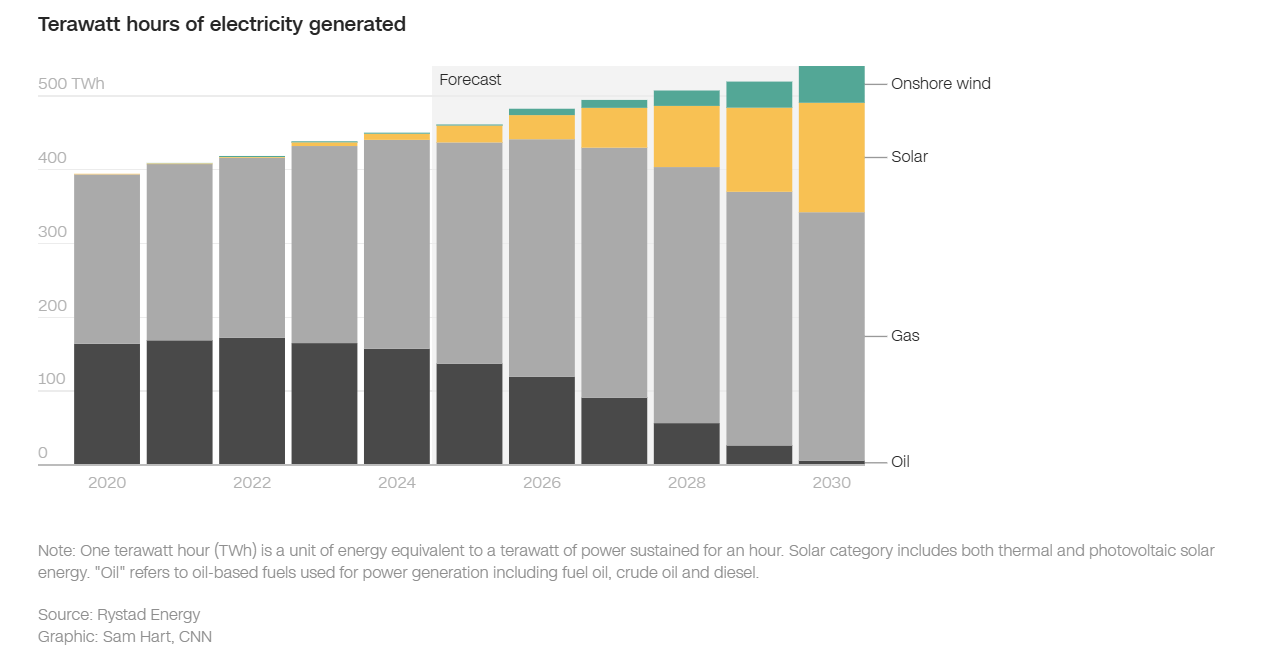
According to projections by Rystad Energy, Saudi Arabia is on track to install more than 70 GW of solar capacity by 2030. That’s nearly six times the current output. If achieved, this would place the kingdom among the world’s top solar producers, a remarkable feat for a nation historically tied to fossil fuels.
Why the Boom? Economics, Sunlight, and Scale
Several factors are fueling the Saudi solar energy boom. First and foremost: cost. Solar power has become one of the cheapest energy sources globally, thanks in part to a flood of low-cost Chinese photovoltaic panels and a 40% drop in battery prices in 2024. Saudi Arabia’s vast, sun-drenched deserts and proximity to major cities make it ideal for large-scale solar farms with low grid connection costs.
Moreover, the kingdom benefits from economies of scale. Its solar installations are massive, allowing for lower per-unit costs in both equipment and construction. These advantages make solar not just environmentally sound, but economically irresistible.
Replacing Oil at Home to Sell More Abroad
Another key driver behind the solar surge is strategic: freeing up oil for export. By replacing oil in domestic electricity generation with solar, Saudi Arabia can sell more crude on the global market, where the real profits lie. This dual benefit of economic gain and energy diversification makes solar a smart play for the kingdom.
Clean Energy for Mega Projects Like NEOM
Saudi Arabia’s solar ambitions also tie into its futuristic infrastructure plans. Projects like NEOM, a $500 billion smart city, and the Red Sea luxury tourism development are set to be powered by clean energy. These initiatives not only showcase the country’s technological aspirations but also serve as high-profile platforms for renewable integration.
Still a Petrostate, But Sending a Signal
Despite the impressive growth, renewables still made up only 2% of Saudi Arabia’s electricity mix at the end of 2024. While 2025 saw significant additions, experts remain divided on whether the 50% target by 2030 is feasible. Nonetheless, the message is clear: even the world’s leading oil exporter sees a future in solar.
Also Read: 64 Projects Power Saudi Renewable Capacity Growth
Frequently Asked Questions (FAQ) About the Saudi Solar Energy Boom
1. Why is Saudi Arabia investing heavily in solar energy?
Saudi Arabia is leveraging its abundant sunlight, vast land, and falling solar technology costs to diversify its energy mix. By investing in solar, the kingdom aims to reduce domestic oil consumption, increase energy efficiency, and align with its Vision 2030 goal of sourcing 50% of electricity from renewables.
2. How much solar energy has Saudi Arabia installed so far?
As of the end of 2025, Saudi Arabia has installed approximately 12 gigawatts (GW) of solar capacity, a dramatic increase from virtually zero in 2020.
3. What is the target for Saudi Arabia’s solar energy by 2030?
The kingdom aims to install over 70 GW of solar capacity by 2030, contributing to its broader goal of generating 50% of its electricity from renewable sources.
4. What are the largest solar projects in Saudi Arabia?
The Al Shuaibah 2 solar farm, with a capacity of over 2 GW, is currently the largest in the country. However, even larger projects are in development, backed by major investments from companies like ACWA Power and Saudi Aramco.
5. Will Saudi Arabia stop using oil for energy?
Not entirely. While the Saudi solar energy boom is reshaping the electricity sector, the country still plans to generate 50% of its electricity from natural gas. Oil remains a major export and economic driver, but solar helps reduce domestic oil use, freeing up more for international markets.
Talk to us for your needs in:
-
Energy Efficiency Strategy & Feasibility
-
Renewable Energy Strategy & Investment Advisory
-
Digital Energy & Smart Grid Strategy
-
Market Entry Strategy
-
Sustainability & Impact Strategy
-
Energy Project Governance & PMO Advisory
-
Energy Market Research
-
Energy Stakeholder & Customer Research
-
Energy Market Intelligence
-
Energy Feasibility & Investment Assessment
-
Energy Sector Benchmarking & Performance Strategy