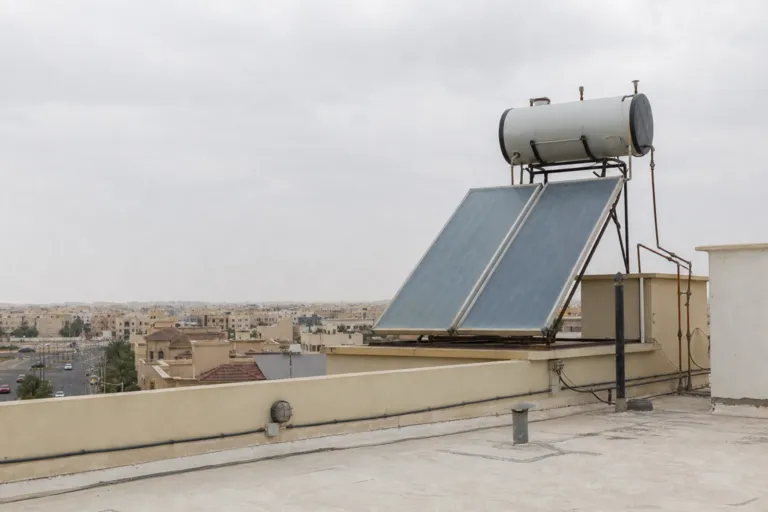
In Saudi Arabia, hot water is not a small line item on the electricity bill. One local industry source states that water heating accounts for 15–25% of a typical household’s electricity consumption, making it the second largest energy cost after air conditioning. That is why solar water heating in Saudi Arabia is often framed as a low-cost path to residential energy savings: it aims directly at a major, recurring demand. The same source also notes that Saudi Arabia has year-round sunshine averaging 8–10 peak sun hours per day, a climate condition that supports steady solar thermal output for domestic hot water.
The broader home-appliance market signals momentum. Grand View Research reports the Saudi Arabia water heater market generated USD 628.6 million in revenue in 2025 and is expected to reach USD 808.4 million by 2033, with a 3.2% CAGR from 2026 to 2033. In that same dataset, electric water heaters were the largest segment, with a 73.56% revenue share in 2025. At the same time, the report describes solar as the most lucrative product segment and the fastest-growing during the forecast period. That mix matters for homeowners because it suggests a big installed base of electric tanks alongside increasing supplier attention to solar options.
What’s Driving Adoption: Tariffs, Codes, and Practical Payback Thinking
Policy and pricing context also shape household decisions. Grand View Research notes that in November 2017, the Electricity and Cogeneration Regulatory Authority (ECRA) increased tariffs for residential electricity consumption, which encourages consumers to shift to renewable energy sources and is expected to augment solar water heater growth in the country. A separate Saudi-based services provider states that, as of 2026, there is no direct consumer subsidy for solar thermal water heaters in Saudi Arabia, though the National Renewable Energy Program (NREP) has facilitated commercial-scale incentives. That same source adds that several municipalities have approved building code requirements mandating solar water heating in new residential construction in specific zones.
Homeowners also compare upfront cost versus monthly operating cost. A Saudi service provider gives an example for a standard electric water heater (80L): SAR 300–800 purchase cost, with a monthly operating cost of SAR 80–150 at Saudi residential tariffs. Those figures help frame why some households explore solar thermal or hybrid pathways, especially when the aim is to reduce ongoing electricity use rather than only replace a failed tank. Globally, IndexBox notes solar water heaters face competition from heat pumps, but highlights trends such as hybrid systems combining solar thermal, PV, and heat pumps, as well as standardized, pre-packaged kits designed to reduce soft costs and speed installation.
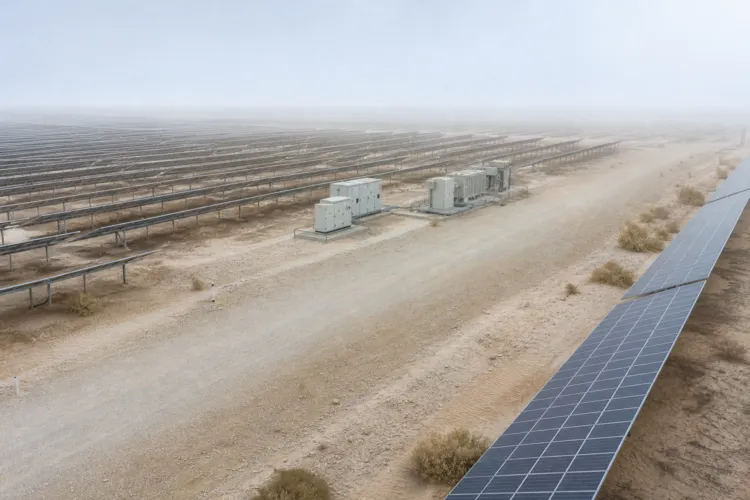
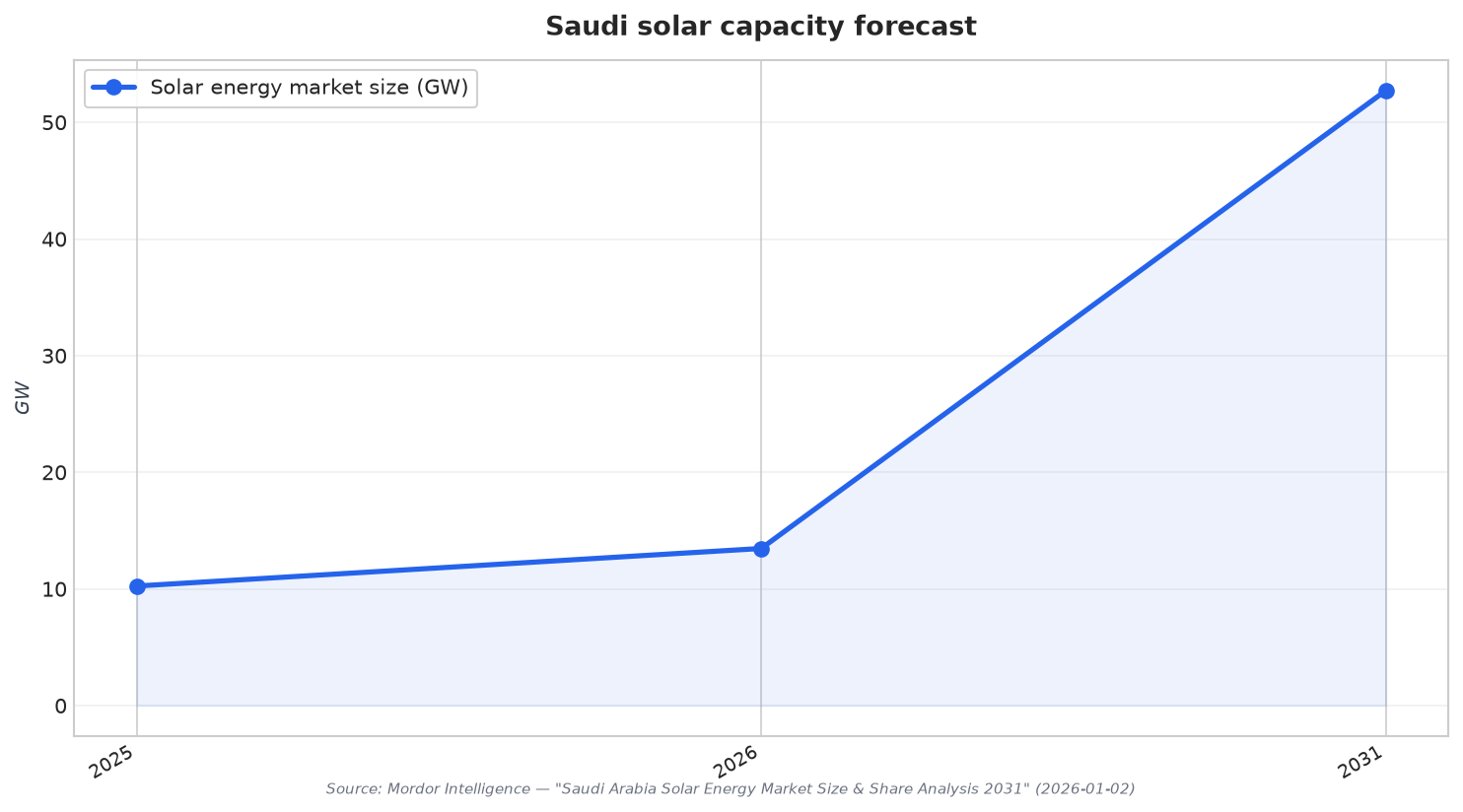
Solar adoption in Saudi Arabia is also growing in the wider energy system, which helps normalize rooftop and on-site solutions. Mordor Intelligence estimates Saudi Arabia’s solar energy market size at 10.25 GW in 2025 and 13.47 GW in 2026, with projections of 52.72 GW by 2031, implying a 31.40% CAGR over 2026–2031. The same source reports PV held 98.55% market share in 2025, and that on-grid installations held an 89.85% share in 2025. While those figures are about electricity, not hot water, they reinforce that solar is becoming a mainstream technology category in the country. For residential buyers, that can translate into more installers, more familiar permitting pathways, and more comfort with solar as a long-term household asset.
How much household electricity use can hot water represent in Saudi Arabia?
Is the Saudi water heater market growing, and what does that mean for solar options?
Did higher residential electricity tariffs influence interest in solar water heaters?
Are there direct consumer subsidies for solar thermal water heaters in Saudi Arabia?
What do typical electric water heater costs look like when comparing solar water heating in Saudi Arabia?
Talk to us for your needs in:
-
Energy Efficiency Strategy & Feasibility
-
Renewable Energy Strategy & Investment Advisory
-
Digital Energy & Smart Grid Strategy
-
Market Entry Strategy
-
Sustainability & Impact Strategy
-
Energy Project Governance & PMO Advisory
-
Energy Market Research
-
Energy Stakeholder & Customer Research
-
Energy Market Intelligence
-
Energy Feasibility & Investment Assessment
-
Energy Sector Benchmarking & Performance Strategy