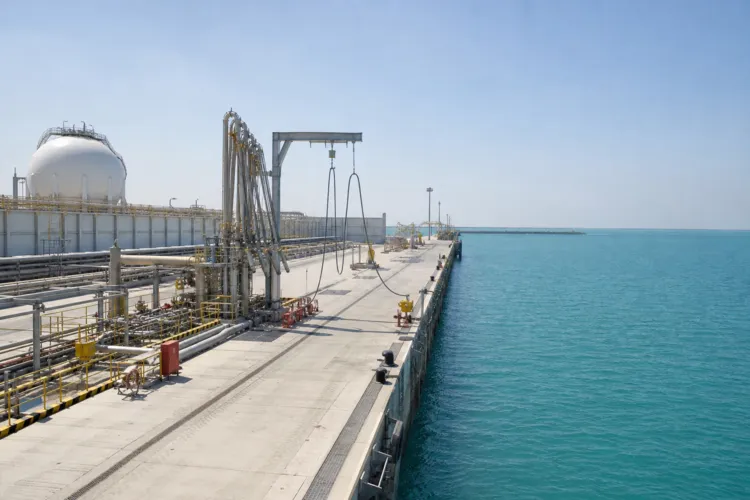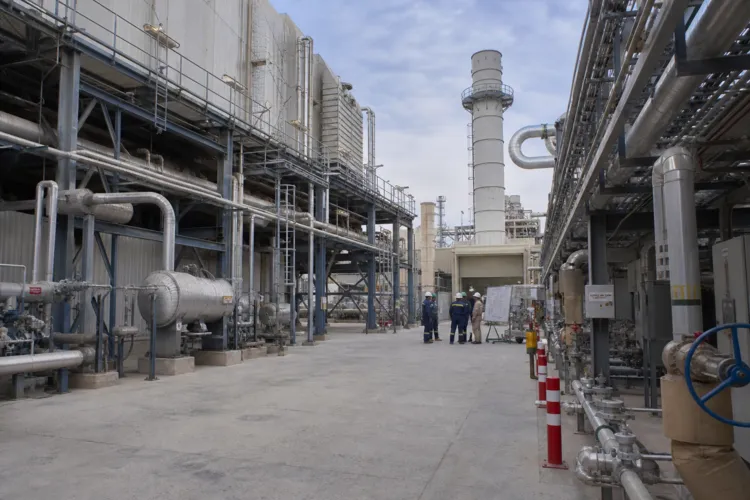
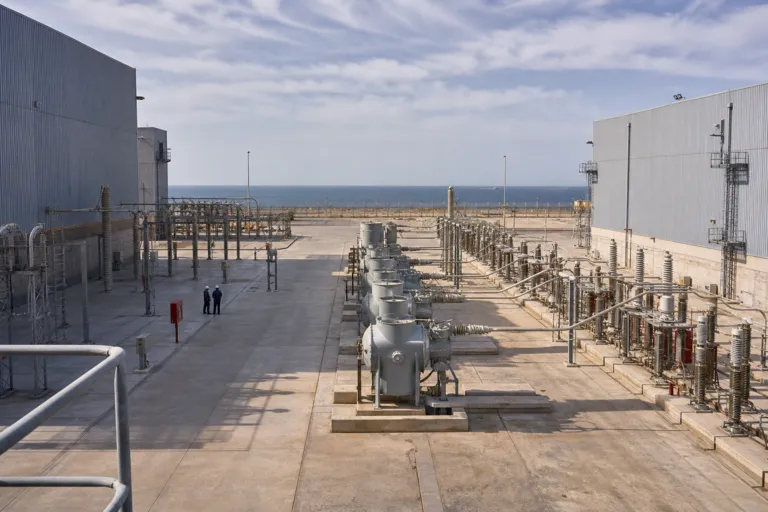
The Saudi-Egypt Electricity Interconnection is moving from construction to operations with a clear near-term milestone. Egypt and Saudi Arabia are preparing to bring their USD 1.8 billion electricity interconnector into full operation in September, opening up to 3 GW of power-transfer capacity. Preoperative testing is expected to conclude by the end of August, with Egyptian and Saudi teams completing technical checks before the full system is brought online. In parallel, market commentary frames the interconnector as a gateway for wider MENA cross-border power trade, especially as regional energy uncertainty has disrupted Gulf LNG and shaken global power markets, increasing the value of flexible, interconnected grids that can move electricity across borders when conditions change.
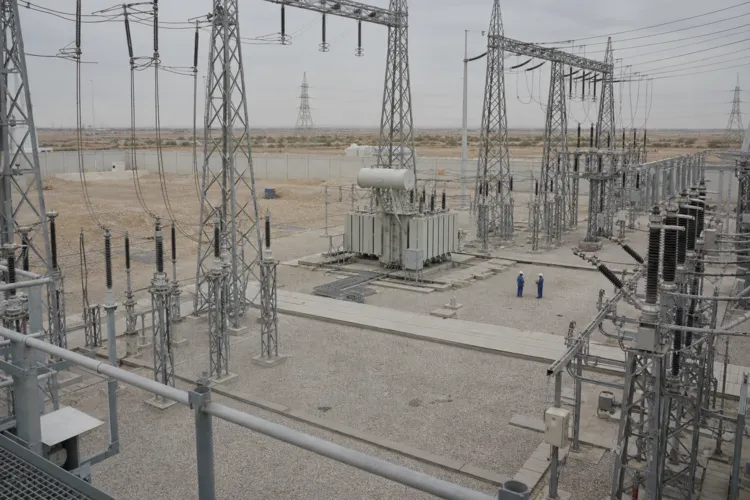
Project specifics underline why it is treated as a system-level link rather than a single asset. The roughly 1,350 km interconnector uses high-voltage direct-current technology to connect Badr in Egypt with Tabuk and East Medina in Saudi Arabia, including submarine cables crossing the Gulf of Aqaba. A separate market report describes it as a 3 GW, ±500 kV Egypt-Saudi HVDC interconnector that reached 95% completion in 2025, calling it the first asynchronous link between North Africa and the Arabian Peninsula. That asynchronous characteristic matters in practice because it enables controlled power exchange between two grids without requiring them to operate in lockstep.
Why the Link Matters: Peaks, Flexibility, and Renewables
The economic case rests partly on differences in peak demand patterns between the two countries. Officials and project observers point to a simple operating logic: power available in one system can be transferred when demand rises in the other, improving load management, strengthening grid resilience, and reducing the reserve generation required to cover peak consumption. The value proposition can expand as variable generation grows. Egypt’s baseline illustrates the balancing challenge: it had just more than 59 GW of installed power generation capacity as of year-end 2024, with 11% from renewable energy, while 82% of the country’s power last year was produced at gas-fired plants. Egypt also has 14.4 GW of gas-fired generation capacity from the Egypt Megaproject using Siemens technology.
Investment signals on the Egyptian side point to more complex grid flows that benefit from stronger transmission options and trading routes. Egypt signed financial closure for a 1 GW solar plant with Scatec and signed a power purchase agreement for a 900 MW wind project in the Gulf of Suez developed with Scatec, with investment in that wind project estimated at USD 1 billion. International support has also included a USD 72 million debt package from the International Finance Corp. for the Abydos BESS. These projects are not the interconnector itself, but together they illustrate why cross-border links can become more valuable as new generation and storage assets change dispatch patterns and increase the need for flexible exchange.
On the Saudi side, grid modernization and regional ties reinforce the same direction of travel. One regional analysis notes that Saudi Electricity Company, through its wholly owned transmission subsidiary National Grid SA, is pursuing opportunities to interconnect with multiple countries, including Egypt, to optimize operating costs and increase regional power exchange. In a separate context, the GCCIA awarded a contract to upgrade the Al-Fadhili HVDC converter station to enable exchange of up to 1,800 MW among GCC countries. For industry suppliers, the interconnector has also been cited as a driver of Egypt’s fast switchgear growth, while Saudi Arabia accounted for 25.89% of 2025 high-voltage switchgear revenue, anchored by Vision 2030’s USD 500 billion infrastructure program and an Al-Fadhili grid upgrade that lifted transfer capacity by 1,800 MW.
What capacity will the Saudi-Egypt electricity interconnection provide?
What technology and route does the Egypt-Saudi link use?
How far along was the project by 2025?
Why is this interconnector described as economically useful for both grids?
Talk to us for your needs in:
-
Energy Efficiency Strategy & Feasibility
-
Renewable Energy Strategy & Investment Advisory
-
Digital Energy & Smart Grid Strategy
-
Market Entry Strategy
-
Sustainability & Impact Strategy
-
Energy Project Governance & PMO Advisory
-
Energy Market Research
-
Energy Stakeholder & Customer Research
-
Energy Market Intelligence
-
Energy Feasibility & Investment Assessment
-
Energy Sector Benchmarking & Performance Strategy